
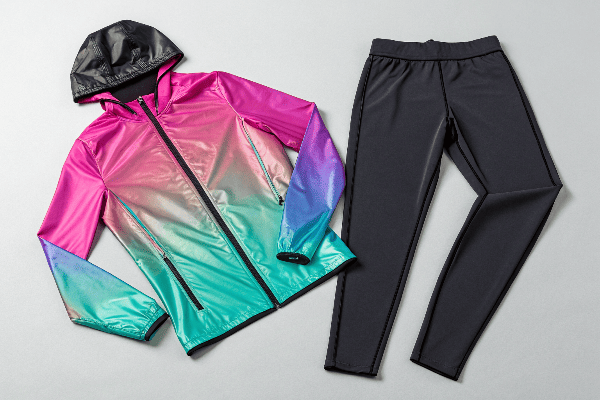
You throw on a nylon shirt in summer—and instantly feel sweaty, sticky, and suffocated. It’s not just you. Nylon isn’t made for heat. But why is it so uncomfortable during summer?
Nylon clothes are not preferred in summer because they trap heat, block airflow, and hold sweat against your skin. They’re non-breathable, uncomfortable in humidity, and often cause overheating and odor retention.
As someone who works with performance and fashion fabrics daily, I’ve seen how nylon performs across seasons. It’s great for outerwear or activewear—but when it comes to summer casuals, there are much better options.
Table of Contents
- What happens when you wear nylon in hot weather?
- How does nylon compare to breathable summer fabrics?
- When is nylon appropriate in summer?
- What fabrics are better for summer?
- Conclusion
What happens when you wear nylon in hot weather?
Nylon is a synthetic material—basically plastic spun into fiber.
When worn in heat, nylon traps body warmth and sweat, doesn’t absorb moisture, and creates a clammy, sticky feeling. This makes it uncomfortable and sometimes irritating on skin.

Nylon’s summer discomfort
| Property | Nylon Behavior in Heat |
|---|---|
| Breathability | Poor—blocks airflow |
| Sweat absorption | Low—leaves moisture on skin |
| Drying ability | Fast—but not if soaked |
| Skin comfort | Can cause chafing or rash |
| Odor retention | High—locks in sweat smell |
Nylon’s hydrophobic nature means it repels water rather than absorbing it[^1]. While it dries quickly on the surface, sweat often remains trapped between the fabric and your skin.
How does nylon compare to breathable summer fabrics?
Breathable fabrics help sweat evaporate and let air flow freely.
Unlike natural fibers like cotton or linen, nylon creates a barrier that prevents ventilation. This causes your body to overheat more easily under the sun.
Learn more about fabric breathability from REI’s expert guide[^2].
Fabric breathability comparison
| Fabric | Breathability | Summer Comfort | Absorbs Sweat |
|---|---|---|---|
| Cotton | ✅✅✅ | ✅✅✅ | ✅✅✅ |
| Linen | ✅✅✅ | ✅✅✅ | ✅✅✅ |
| Rayon | ✅✅ | ✅✅ | ✅✅ |
| Nylon | ❌ | ❌ | ❌ |
| Polyester | ❌ | ❌ | ❌ |
That’s why most summer shirts, dresses, and shorts are made from light, airy natural fibers—not synthetics like nylon or polyester.
When is nylon appropriate in summer?
Some summer use-cases make sense—but only when nylon is blended or engineered for performance.
Nylon is used in swimwear, sportswear, and outerwear due to its stretch and quick-drying nature. In these cases, it’s usually blended with spandex or mesh to improve comfort.
Good uses of nylon in summer:
- Swim trunks or one-piece suits
- Activewear with mesh panels
- Lightweight windbreakers for evening or travel
- Compact travel gear with wrinkle-resistant needs
Just avoid full nylon in tight-fitting or everyday items like shirts, pants, or underwear[^3].
What fabrics are better for summer?
Choose fabrics that help your skin breathe, wick moisture, and stay light.
For summer, opt for cotton, linen, bamboo, modal, or lightweight rayon. These are soft, breathable, and gentle on skin—even on the hottest days.
| Fabric | Best For |
|---|---|
| Cotton | Everyday T-shirts, shorts |
| Linen | Office shirts, loose pants |
| Bamboo | Activewear, underwear |
| Modal | Sleepwear, soft tops |
| Tencel | Blouses, dresses |
Natural fibers with an open weave = better heat management and skin comfort.
Conclusion
Nylon clothes are not preferred in summer because they trap heat and sweat, causing discomfort and irritation. For hot weather, stick to breathable, moisture-absorbing natural fabrics like cotton or linen to stay cool and dry all day.
[^1]: Nylon’s water-repellent nature helps with durability but hinders moisture-wicking comfort.
[^2]: REI explains that synthetic fabrics like nylon are better for outerwear than close-to-skin summer wear.
[^3]: Blended nylon can be breathable if combined with open-knit or mesh patterns, but pure nylon is rarely summer-friendly.