
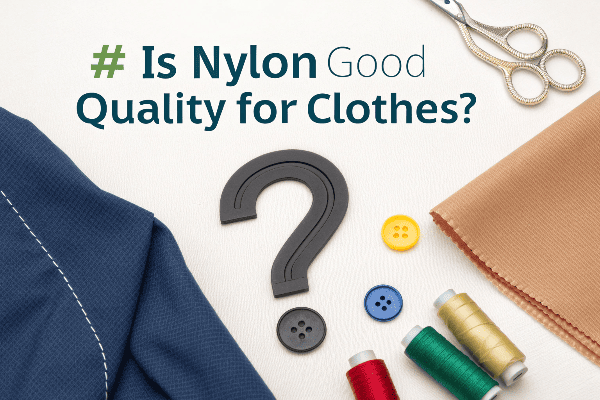
You’ve seen nylon listed in workout gear, jackets, swimwear—even fashion pieces. But is it actually good quality? Or just cheap synthetic filler?
Nylon is a strong, lightweight, and versatile synthetic fiber that offers excellent durability, stretch, and moisture resistance. It’s considered high quality when used in performance apparel, outerwear, and technical garments—but less breathable than natural fibers.
I’ve worked with dozens of apparel factories and sourcing teams. Nylon is often chosen not because it's cheap, but because it's tough. The key is using it in the right type of garment[^1].
Table of Contents
- What makes nylon a high-quality material in clothing?
- What are nylon’s disadvantages in clothing?
- What types of garments is nylon best for?
- Is nylon sustainable or eco-friendly?
- Conclusion
What makes nylon a high-quality material in clothing?
It’s not just plastic—it’s engineered performance.
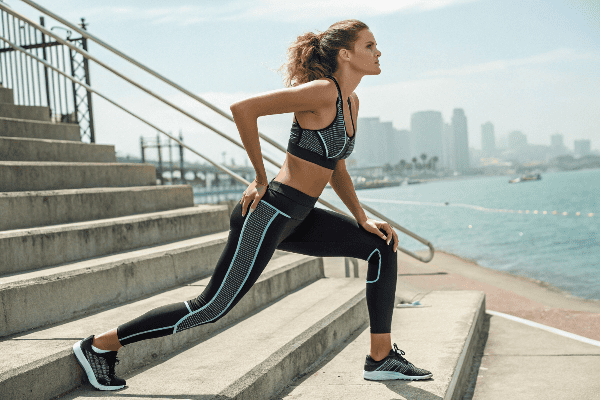
Nylon is valued for its strength, abrasion resistance, elasticity, and quick-drying properties. These make it ideal for activewear, outerwear, swimwear, and undergarments that need to stretch, move, and last.
Nylon’s quality strengths
| Feature | Nylon Performance |
|---|---|
| Durability | Very high—resists tears & wear |
| Stretch & Recovery | Excellent with spandex blends |
| Moisture Resistance | Dries quickly, resists mildew |
| Lightweight | Less bulk than cotton or wool |
| Shape Retention | Doesn’t shrink or sag easily |
Compared to polyester, nylon is softer and more elastic—but slightly less UV-resistant[^2].
What are nylon’s disadvantages in clothing?
No fabric is perfect—nylon has tradeoffs.
Nylon is not breathable, can trap heat and sweat, and may develop odors faster than natural fibers. It can also feel “plastic” or cold to the touch in low-end garments.
When nylon isn’t ideal
| Limitation | Explanation |
|---|---|
| Breathability | Lower than cotton or rayon |
| Odor retention | Needs antibacterial treatment |
| Heat sensitivity | Can melt or deform under high heat |
| Static build-up | Can cling without treatment |
These issues are often resolved by blending nylon with cotton, modal, or spandex—especially in premium activewear brands[^3].
What types of garments is nylon best for?
Not every clothing item needs to be breathable like cotton.
Nylon is best used in garments that require flexibility, strength, and moisture resistance—like leggings, swimwear, windbreakers, tights, and gym shorts.
Where nylon shines
| Clothing Type | Why Nylon Works Well |
|---|---|
| Activewear | Lightweight, stretchy, dries fast |
| Swimwear | Chlorine-resistant, holds shape |
| Jackets/Windbreakers | Windproof and water-resistant |
| Lingerie & Tights | Smooth finish and stretch |
| Bags & Accessories | Tear-resistant, durable |
Leading brands like Lululemon, Nike, and Patagonia frequently use nylon in performance-focused collections.
Is nylon sustainable or eco-friendly?
Traditionally, no—but that’s changing.
Nylon is petroleum-based, non-biodegradable, and energy-intensive to produce. However, many brands now use recycled nylon (e.g. ECONYL®), which reduces environmental impact.
Nylon and sustainability
| Nylon Type | Environmental Impact |
|---|---|
| Virgin Nylon | High energy use, non-biodegradable |
| Recycled Nylon | Made from ocean plastic & waste |
| Blended Nylon | Harder to recycle at end of life |
Sustainable activewear brands like Girlfriend Collective, Tropicfeel, and PANGAIA now prioritize recycled nylon in leggings, outerwear, and performance pieces.
Conclusion
Nylon is a high-quality material for performance and technical clothing thanks to its strength, stretch, and quick-dry features. It’s not breathable like natural fibers, but excels in activewear, outerwear, and swimwear—especially when blended or recycled.
[^1]: Nylon was first introduced in 1939 by DuPont and revolutionized synthetic textiles for its strength and stretch.
[^2]: Learn more about nylon vs polyester from ScienceDirect.
[^3]: Outdoorgearlab and REI Co-op both rank nylon-spandex blends among the best-performing materials for high-sweat applications.