You’re shopping online, scrolling through size charts, and suddenly see a “plus size” section. You pause. Am I plus size? It’s not always clear—and it can feel confusing, even frustrating.
You’re generally considered plus size if you wear a US women’s size 14 or above, or if your bust measures over 40 inches and your waist is over 33 inches. But more than numbers, plus size refers to body proportions that need a different cut for comfort and fit.
I remember the first time I tried a 1X blouse instead of my usual XL. It fit better in the bust, shoulders, and arms—even though the size number didn’t change much. That’s when I learned: plus size is more about body shape than just the number on the tag.
Table of Contents
- What measurements are considered plus size?
- What’s the difference between XL and 1X?
- How do I know if I need plus size cuts?
- Does being plus size depend on body type?
- Conclusion
What measurements are considered plus size?
It depends on the brand, but there’s a general range.
Plus size often starts around a 40" (102 cm) bust, 33" (84 cm) waist, and 43" (109 cm) hips. These measurements usually correspond to a US size 14 or 1X[^1].
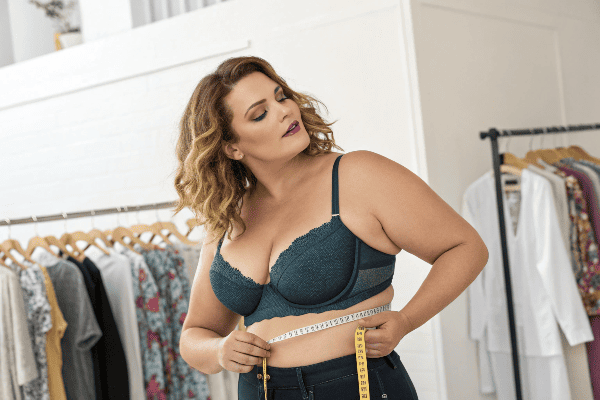
Typical plus size body measurements
| Size | Bust (in) | Waist (in) | Hips (in) |
|---|---|---|---|
| 14 | 40–42 | 33–35 | 43–45 |
| 16 | 42–44 | 35–37 | 45–47 |
| 1X | 43–45 | 36–38 | 46–48 |
| 2X | 46–48 | 39–41 | 49–51 |
Sites like SizeCharter offer helpful interactive guides based on brand and measurements.
What’s the difference between XL and 1X?
They sound similar—but they’re not sized the same.
XL is the largest size in straight sizing, while 1X is the first size in plus sizing. 1X is designed with fuller bust, arms, and hips in mind[^2].
XL vs. 1X at a glance
| Size Label | Bust (inches) | Cut Type | Fit Difference |
|---|---|---|---|
| XL | 40–42 | Straight sizing | Narrower arms, torso, hips |
| 1X | 43–45 | Plus sizing | Curvier, roomier for comfort |
ThirdLove explains the grading differences and how 1X better supports fuller silhouettes.
How do I know if I need plus size cuts?
Look beyond the size number—focus on how your clothes fit.
You might need plus sizes if regular sizes feel tight in the bust, pinch at the armholes, ride up at the back, or pull across the hips—even if the tag says “your size”[^3].
Fit signs that point to plus sizing
- Tops feel tight in shoulders and bust but loose in waist
- Pants fit the waist but pull at the thighs or hips
- Sleeves or armholes feel restrictive
- Buttons gap at the chest
If you're consistently tailoring or upsizing for comfort, plus-specific cuts may fit better.
Does being plus size depend on body type?
Yes—shape matters just as much as size.
Two people with the same waistline may wear different sizes based on their bust, hip, or shoulder proportions. Plus size clothing accounts for fuller curves and different weight distribution[^4].
Common plus size body types
| Body Type | Fit Challenges |
|---|---|
| Apple | Larger midsection, needs tummy room |
| Pear | Smaller waist, larger hips/thighs |
| Hourglass | Curvy bust and hips, defined waist |
| Rectangle | Evenly proportioned, may need shaping |
Clothing brands like Universal Standard build for curves from the ground up—not just scaled-up straight sizes.
Conclusion
You’re likely plus size if you wear size 14 or above and need clothing with room in the bust, hips, or arms. But more importantly, if plus-size cuts fit better, feel better, and move better—you’ve found your fit. The right size isn't just about numbers; it's about comfort and confidence.
[^1]: Nordstrom. “Women’s Size Charts & Fit Guides.” Link
[^2]: ThirdLove. “What’s the Difference Between XL and 1X?” Link
[^3]: Healthline. “A Guide to Plus Size Clothing That Actually Fits.” Link
[^4]: Universal Standard. “How We Design for Size 00 to 40.” Link