
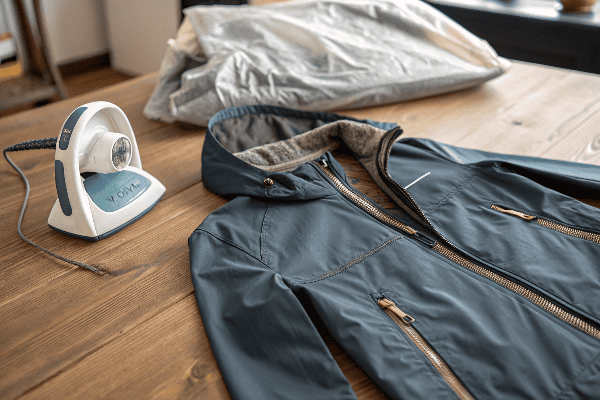
Ever picked up your hoodie or jacket from the dry cleaner, only to find the zipper won’t close properly—or worse, it’s warped or discolored? It’s not your imagination. Dry cleaning can damage zippers, and here’s why.
Zippers can get ruined by dry cleaning due to exposure to harsh solvents, high heat during pressing, and mechanical stress inside dry cleaning machines. These factors can melt plastic parts, strip lubricants, or warp metal teeth.
As someone in garment production, I’ve had clients complain about zippers breaking after professional cleaning. When we dug into it, it was almost always due to aggressive heat or chemical reactions.
Table of Contents
- What actually happens to zippers during dry cleaning?
- Are certain zippers more vulnerable than others?
- How can you prevent zipper damage during dry cleaning?
- What should manufacturers consider for dry-clean-safe garments?
- Conclusion
What actually happens to zippers during dry cleaning?
Dry cleaning isn’t as “gentle” as people think.
The process involves chemical solvents (like perchloroethylene), tumbling agitation, and high-pressure steam finishing. Zippers—especially low-grade ones—aren’t always designed to handle that.
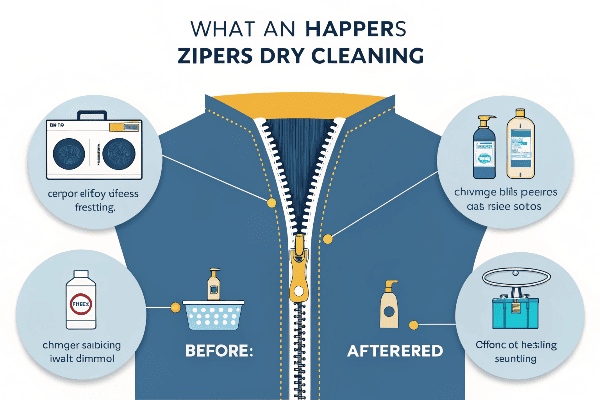
How dry cleaning affects zipper parts
| Zipper Component | Damage Cause | Result |
|---|---|---|
| Plastic coil | Heat from steaming | Warping or shrinkage |
| Metal teeth | Solvent corrosion or oxidation | Discoloration or stiffness |
| Sliders | Solvent stripping lubricant | Hard to move or jammed |
| Tape (fabric part) | Shrinking or stiffening | Misalignment or puckering |
Learn more about how dry cleaning works from the National Cleaners Association.
Dry cleaning works well for delicate fabrics—but not necessarily for hardware.
Are certain zippers more vulnerable than others?
Yes—zipper material matters.
Plastic and cheaper metal zippers are most at risk. High-end zippers like YKK with heat-resistant sliders and durable tapes tend to hold up better under dry cleaning.
Zippers ranked by dry clean durability
| Zipper Type | Dry Clean Resistance | Notes |
|---|---|---|
| Plastic coil zipper | Low | Easily warped by heat or solvent |
| Aluminum zipper | Medium | Can corrode or tarnish |
| Brass zipper | Medium–High | Durable, may discolor slightly |
| YKK vislon or nylon | High | Designed for industrial wear |
Want to compare zipper types? Read this zipper durability guide from Threads Magazine.
If your product needs dry clean compatibility, always confirm zipper specs with the factory.
How can you prevent zipper damage during dry cleaning?
It’s not just about materials—it’s about preparation.
Ask your dry cleaner to cover the zipper area with cloth before steaming. Also, zip all closures before sending items in. Better yet, avoid dry cleaning if the care label doesn’t recommend it.
Damage prevention tips
- ✅ Zip up garments fully before cleaning
- ✅ Use a garment bag if possible
- ✅ Request the cleaner to avoid high-heat steaming near zippers
- ✅ Spot-clean the zipper area separately if needed
Sometimes, replacing a damaged zipper costs more than the cleaning itself—especially for jackets or outerwear.
What should manufacturers consider for dry-clean-safe garments?
Choose components wisely and test before mass production.
For garments that may be dry cleaned (like coats or blazers), use zippers rated for solvent and heat exposure. Also, pre-test finished samples through one cleaning cycle to spot any issues.
Manufacturer checklist
| Step | Why It’s Important |
|---|---|
| Use branded zippers (e.g. YKK) | Proven quality and heat resistance |
| Avoid plastic zippers on formalwear | Metal is more suitable for dry clean |
| Specify care label clearly | Prevents misuse by end customer |
| Test one full sample run | Identifies zipper failure early |
Manufacturers can follow AATCC care labeling standards to ensure compliance and consistency.
This kind of QA step saves brands from costly remakes and complaints.
Conclusion
Zippers can be ruined by dry cleaning due to heat, chemicals, and rough handling. Choosing the right zipper, prepping garments properly, and testing care methods are key to avoiding damage—whether you're a buyer or a brand.
- Perchloroethylene (PERC), the primary dry cleaning solvent, is known to degrade plastics and some dyes over repeated exposure.
- YKK Vislon zippers are molded from durable acetal resin and rated for industrial laundering and dry cleaning.
- Steam finishers in commercial cleaning machines can reach temperatures up to 150°C (302°F), which may distort synthetic zipper elements.
- According to the Drycleaning & Laundry Institute, improper pretreatment or heat exposure is a common reason for hardware failure on garments.
- Most manufacturers do not test zipper resistance unless dry-cleanability is part of the garment's intended lifecycle.