
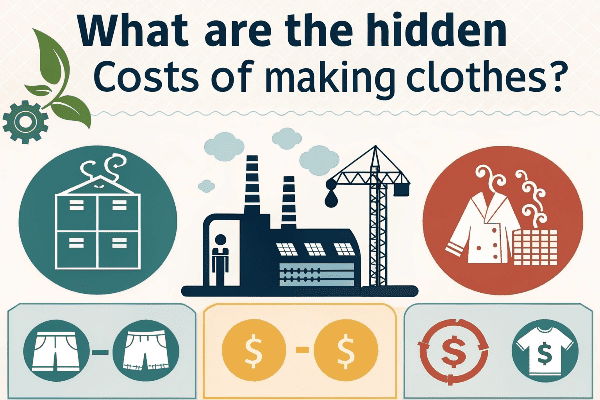
The cost of manufacturing clothing goes far beyond just fabric and labor. While raw materials and stitching seem like the obvious expenses, many hidden costs can add up quickly. Understanding these hidden costs can help manufacturers and brands manage their budgets more effectively.
The hidden costs of making clothes include fabric wastage, quality control, logistics, labor costs, design, and overheads such as equipment maintenance and factory compliance.
Having worked in garment manufacturing for years, I've seen firsthand how these hidden costs impact the final price of products—and how careful planning can make a big difference in profitability.
Table of Contents
- How does fabric wastage impact clothing costs?
- What are the costs of quality control?
- How do labor costs affect garment production?
- What are the hidden costs of logistics?
- How do design and development costs add up?
- What are the overhead costs of running a clothing factory?
- Conclusion
How does fabric wastage impact clothing costs?
Fabric wastage is a common but often overlooked expense.
Fabric is one of the most expensive components of garment production. During the cutting process, pieces of fabric that don’t align with patterns or sizes are discarded, contributing to unnecessary waste.
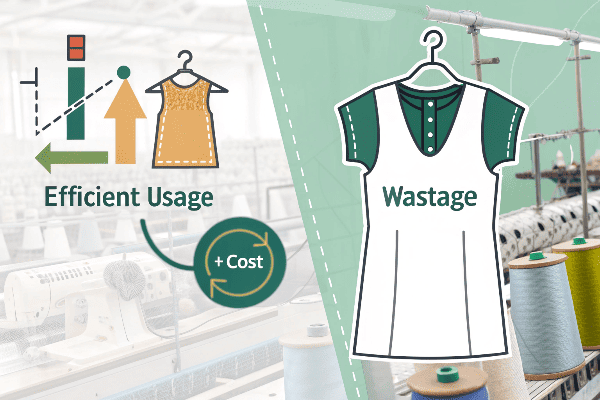
Fabric wastage breakdown
| Waste Type | Impact on Cost |
|---|---|
| Off-cuts from pattern | Can add up to 10-15% of the total fabric used |
| Incorrect fabric selection | Leads to reordering, causing delays and added costs |
| Cutting inefficiencies | Extra fabric needed to optimize pattern layout |
Reducing fabric wastage requires more efficient cutting methods, better pattern planning, and optimizing fabric purchases.
For more on fabric efficiency, check Fibre2Fashion’s fabric waste solutions【^1】.
What are the costs of quality control?
Quality control can sometimes feel like an added expense, but it’s a necessary investment.
Ensuring each garment meets the required standards of quality involves thorough inspections and testing, which can add significant costs to the production process.
Quality control costs
| Process | Associated Cost |
|---|---|
| Sample testing | Time and material costs for each sample |
| In-line inspections | Labor costs for regular checks during production |
| Final inspection | Reworking garments that don’t meet the standard |
While quality control increases manufacturing costs, it can help brands avoid costly returns and maintain a positive reputation.
Learn more about the importance of quality control from Textile World【^2】.
How do labor costs affect garment production?
Labor costs can vary widely depending on the region and skill level required.
Manufacturing in regions with lower labor costs may seem attractive, but the trade-off can be lower-quality work, higher turnover rates, and longer production timelines.
Labor cost considerations
| Factor | Impact on Cost |
|---|---|
| Labor rates in low-cost regions | Lower wages but potential for quality issues and inefficiencies |
| Skilled vs. unskilled labor | Skilled labor is more expensive but results in better craftsmanship |
| Labor laws and regulations | Compliance with local labor laws can raise costs, especially for fair wages and working conditions |
Investing in skilled labor and ensuring fair pay can lead to better-quality garments and more efficient production.
Explore labor considerations from Apparel Entrepreneurship【^3】.
What are the hidden costs of logistics?
Logistics and shipping often account for a larger chunk of clothing production costs than anticipated.
Costs related to shipping, warehousing, and inventory management can quickly add up, especially for international trade.
Logistics costs breakdown
| Logistics Factor | Hidden Costs |
|---|---|
| Freight charges | Costs depend on size, weight, and distance |
| Customs and duties | Import/export taxes for international shipments |
| Warehousing fees | Costs for storing unsold inventory |
| Inventory management | Costs for tracking stock and managing returns |
Optimizing logistics—by choosing the right shipping methods, packaging, and inventory systems—can significantly reduce these hidden costs.
Learn more about logistics optimization from Supply Chain Dive【^4】.
How do design and development costs add up?
Designing a garment involves not only creativity but also investment in time and resources.
The design process includes costs related to hiring designers, creating prototypes, and revising designs, which may not be immediately apparent in the final garment price.
Design and development expenses
| Design Phase | Cost Implications |
|---|---|
| Prototyping and sampling | Materials, labor, and time for each design iteration |
| Design software | Subscription fees for CAD and design tools |
| Revision costs | Changes in patterns or styles leading to additional costs |
A well-executed design process can ensure that the final product meets the target market’s needs without wasting time and money on constant revisions.
Check out Design Week for more on the cost breakdown of design processes【^5】.
What are the overhead costs of running a clothing factory?
Overhead costs are the fixed expenses associated with running a production facility.
These costs include rent, utilities, machinery maintenance, and factory compliance with health, safety, and environmental regulations.
Common factory overheads
| Overhead Category | Associated Costs |
|---|---|
| Rent and utilities | Fixed costs for factory space and power |
| Machinery maintenance | Regular upkeep to prevent breakdowns |
| Compliance and regulations | Costs to meet environmental and safety standards |
Efficient factory management and preventive maintenance can minimize these overhead costs.
For more on factory management best practices, read Factory Management Solutions【^6】.
Conclusion
Hidden costs in clothing manufacturing—from fabric waste and labor expenses to quality control and logistics—can significantly impact your bottom line. By understanding these costs, brands can make smarter production decisions, reduce waste, and improve profitability.
[^1]: Fibre2Fashion – Reducing Fabric Wastage in Garment Manufacturing
[^2]: Textile World – The Importance of Quality Control
[^3]: Apparel Entrepreneurship – Labor Issues in Clothing Manufacturing
[^4]: Supply Chain Dive – Logistics Optimization Tips
[^5]: Design Week – Cost Breakdown of Design Processes
[^6]: Factory Solutions – Factory Management Best Practices