

Ever wanted to turn a favorite memory into something you can wear? That’s exactly what custom made photo T-shirts offer. They're not just garments—they're wearable stories, perfect for events, gifts, or brand identity.
Custom made T-shirts with photos are personalized garments where your chosen image—like a personal photo or logo—is printed directly onto the fabric using techniques such as DTG, heat transfer, or sublimation.
As a clothing manufacturer, I’ve helped countless clients turn their ideas into custom photo tees for family reunions, business promotions, or just personal style.
Table of Contents
- How are photos printed onto T-shirts?
- What makes a photo look good on a T-shirt?
- What T-shirt fabric is best for photo printing?
- Are custom photo T-shirts machine washable?
- Conclusion
How are photos printed onto T-shirts?
The print method matters more than you think.
The most common techniques for photo T-shirt printing are Direct-to-Garment (DTG), sublimation, and heat transfer. Each method affects the print’s feel, quality, and longevity.
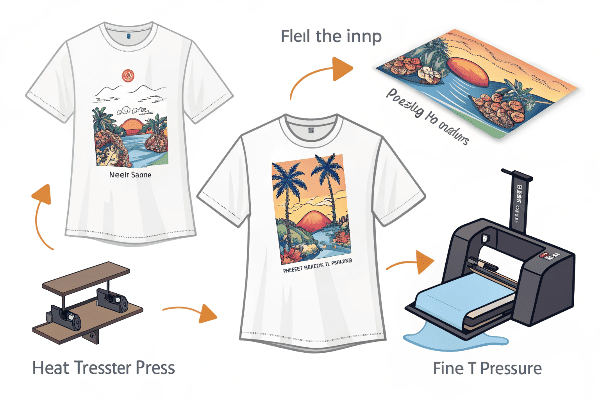
T-Shirt Photo Printing Methods
| Method | Fabric Compatibility | Photo Quality | Feel on Fabric | Best For |
|---|---|---|---|---|
| DTG | 100% Cotton | High | Soft/No texture | Complex or colorful images |
| Sublimation | 100% Polyester (white) | Vibrant | No texture | Sportswear, bright graphics |
| Heat Transfer | All fabrics (limited stretch) | Moderate to High | Slightly rubbery | Small batches, simple images |
I usually recommend DTG for cotton shirts with detailed, colorful photos—especially if the goal is softness and photo clarity.
For a breakdown of all three methods, read Vistaprint's Printing Guide【^1】.
What makes a photo look good on a T-shirt?
Image resolution is key.
To get a sharp print, your photo should be at least 300 DPI and properly sized to the print area. Low-quality images often result in pixelation or blur.
Tips for photo prep
- Use high-resolution images (minimum 1500x1500px for chest prints).
- Avoid dark images on dark shirts unless there’s contrast.
- PNG format with transparent background works best for logos.
- For full-photo prints, center the main subject and avoid cropping key parts.
We've had customers upload screenshots or blurry group photos—those don’t translate well to fabric. Always choose your best-quality images.
Learn about preparing images for print from Printful's file guidelines【^2】.
What T-shirt fabric is best for photo printing?
It depends on the print method and wear purpose.
For DTG printing, 100% cotton is best. For sublimation, polyester is required. If you want stretch or performance features, go for blends.
Fabric choice by purpose
| Fabric Type | Best Print Method | Usage Type |
|---|---|---|
| 100% Cotton | DTG | Casual, soft hand feel |
| Cotton-Poly Blend | Heat Transfer | Everyday, slightly stretchy |
| 100% Polyester | Sublimation | Sportswear, all-over prints |
When clients order for events, we usually recommend cotton for comfort. For teams or activewear, we switch to polyester for performance and vibrancy.
Learn more about fabric types from SanMar’s fabric glossary【^3】.
Are custom photo T-shirts machine washable?
Yes—but care instructions matter.
Most custom printed T-shirts are machine washable, but using cold water and air drying helps maintain print quality longer.
Washing care tips
- Turn the shirt inside out before washing.
- Use cold or warm water only—never hot.
- Avoid bleach and harsh detergents.
- Air dry or tumble dry on low to prevent fading.
Our repeat customers often reorder because the shirts hold up wash after wash—especially when cared for correctly.
For best care practices, check T-Shirt Washing Instructions from TeeSpring【^4】.
Conclusion
Custom made photo T-shirts turn your memories or brand moments into wearable statements. With the right printing method, high-resolution image, and proper fabric choice, you’ll get a shirt that looks good, feels great, and lasts.
[^1]: Vistaprint – Photo Shirt Printing Guide
[^2]: Printful – Image File Guidelines
[^3]: SanMar – Fabric Glossary
[^4]: TeeSpring – Product Care Guide