
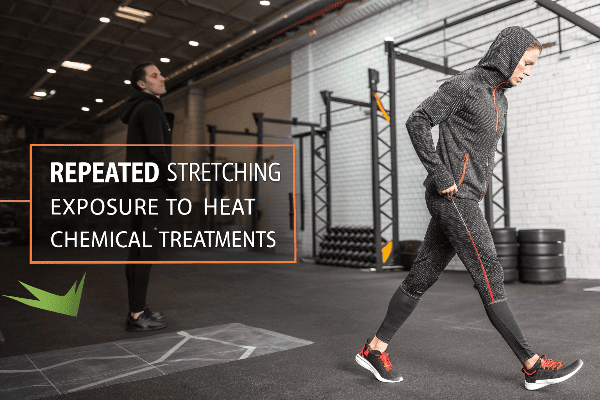
We all love that snug, supportive feel of brand-new leggings or compression wear. But after just a few months, some activewear starts sagging, stretching out, or feeling loose. What causes that?
Activewear fabrics lose elasticity over time mainly due to repeated stretching, exposure to heat, harsh detergents, and improper washing or drying practices.[^1]
I’ve worked with performance textiles for years, and I’ve seen first-hand how fabric care—and fabric quality—can make or break a garment's lifespan.
Table of Contents
- What exactly causes elastic fibers to degrade?
- Which fabrics hold elasticity better?
- Can you prevent elasticity loss in activewear?
- What if my leggings already lost elasticity?
- Conclusion
What exactly causes elastic fibers to degrade?
It’s a combination of mechanical stress, chemicals, and heat.
Fibers like elastane (also called spandex or Lycra) weaken over time when repeatedly stretched, exposed to body oils and sweat, or damaged by heat from dryers.[^2]
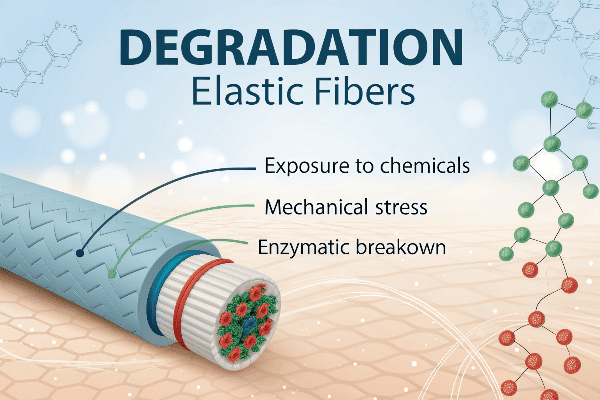
Common reasons for elasticity loss
| Cause | What It Does to the Fabric |
|---|---|
| Repeated stretching | Microtears reduce snapback ability |
| High-heat drying | Breaks down spandex fibers |
| Harsh detergents | Strip moisture and weaken fabric structure |
| Body oils and sweat | Accumulate and slowly degrade elastic fibers |
| Fabric softeners | Leave residue that blocks stretch and breathability[^3] |
The problem is compounded when poor-quality fabrics are used or when garments are overused without proper care.
Which fabrics hold elasticity better?
It depends on the fiber blend and construction method.
Fabrics with a high percentage of quality elastane (5% or more) blended with nylon or polyester tend to retain shape better than cheaper cotton-spandex blends.
Fabric blend comparison
| Fabric Blend | Elasticity Retention | Notes |
|---|---|---|
| Nylon + Spandex | Excellent | Smooth, moisture-wicking, durable[^4] |
| Polyester + Spandex | Good | Holds color well, lightweight |
| Cotton + Spandex | Moderate to Poor | Comfortable but loses shape faster |
| Bamboo + Spandex | Good | Soft feel, sustainable but sensitive |
Tight-knit construction and double-faced fabrics also help reduce fiber fatigue over time.
Can you prevent elasticity loss in activewear?
Yes—but it requires the right washing and drying habits.
Always wash in cold water, skip the dryer, avoid fabric softeners, and turn garments inside out. Let them air dry flat or hang in shade.
Activewear care checklist
- ✅ Cold water only
- ✅ Mild detergent
- ❌ No fabric softener
- ❌ No dryer heat
- ✅ Rotate usage—don’t wear the same set every day
Proper care also improves hygiene and odor control. See Nike's guide to washing workout gear[^5].
What if my leggings already lost elasticity?
You may not be able to restore full elasticity—but you can avoid making it worse.
Once elasticity is gone, there’s no real fix. But you can retire them to low-impact activities like yoga or lounging—and start fresh with better care practices.
If you're building a fitness brand, it's also key to select performance fabrics from trusted mills with proven stretch recovery[^6].
Conclusion
Activewear loses elasticity over time due to fiber fatigue, heat exposure, and poor care. Choosing quality blends and following proper washing routines helps preserve that perfect stretch. With good habits, your gym gear can stay supportive, flexible, and ready to perform—longer.
[^1]: The Science Behind Activewear Breakdown – Shape Magazine
[^2]: Spandex and Heat: The Silent Destroyer – REI Co-op Journal
[^3]: Avoid Fabric Softeners on Activewear – The New York Times
[^4]: Nylon vs Polyester in Activewear – MasterClass
[^5]: How to Wash Gym Clothes – Nike Official Guide
[^6]: Choosing High-Performance Fabrics – Textile World