

Streetwear brands are popping up everywhere. From independent labels on Instagram to billion-dollar sneaker resellers, the hype seems endless. But is it all just noise—or can streetwear really make money?
Yes, streetwear brands can be highly profitable, especially when built around strong branding, limited drops, and loyal community engagement. Margins are often high due to perceived value and low production costs.
When I started working with streetwear clients, I saw how a single T-shirt with the right logo could sell for triple the production cost—and sell out in minutes. But profitability isn't guaranteed. Here's what actually drives success.
Table of Contents
- What makes streetwear a profitable business model?
- What are typical profit margins for streetwear?
- What are the risks?
- How long does it take to become profitable?
- Conclusion
What makes streetwear a profitable business model?
Streetwear thrives on scarcity, community, and identity.
The model works because it creates emotional connection, leverages exclusivity, and turns fans into repeat customers who buy fast and share content freely.
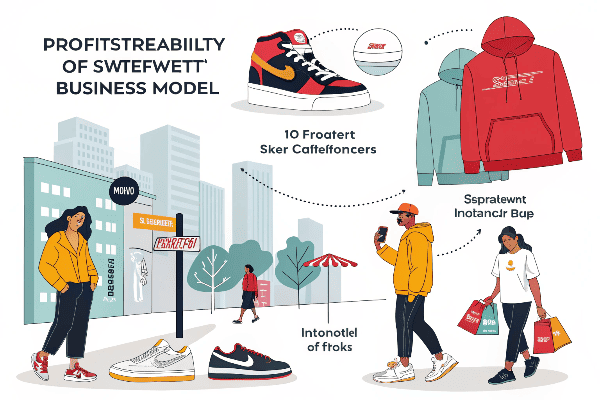
Why it works
| Factor | Impact |
|---|---|
| Limited drops | Creates urgency, justifies higher price |
| Strong branding | Builds loyalty and cultural relevance |
| Low production cost | High markup on basics like tees and hoodies |
| Community-driven | Fans do marketing through social sharing |
Brands like Supreme, Off-White, and Fear of God mastered this formula early on[^1].
What are typical profit margins for streetwear?
Margins can be excellent—if managed well.
Most successful streetwear brands operate at gross margins between 50%–80%, especially when selling direct-to-consumer (DTC).
Where the profits come from
| Product Type | Cost to Produce | Retail Price | Gross Margin |
|---|---|---|---|
| T-shirt | $5–$10 | $35–$60 | 70–85% |
| Hoodie | $10–$25 | $60–$150 | 60–75% |
| Cap | $3–$6 | $25–$50 | 75–85% |
Custom branding, packaging, and storytelling increase perceived value far beyond cost[^2].
What are the risks?
Profitability depends on execution—not hype alone.
Risks include overproduction, unclear identity, and weak community engagement. A saturated market means buyers can spot inauthenticity fast.
Common pitfalls
- Copycat designs or no clear message
- Poor quality or delayed fulfillment
- No brand story or community interaction
- Relying only on influencer collabs without customer retention plan
Hype alone doesn't scale without trust and delivery[^3].
How long does it take to become profitable?
It varies—some brands break even in months, others take years.
With low overhead and strong pre-order models, some streetwear startups turn profitable in the first year. But sustainable growth often takes 2–3 years.
Growth roadmap
| Stage | Focus |
|---|---|
| Year 1 | Build identity, small drops |
| Year 2 | Scale production, invest in DTC |
| Year 3+ | Wholesale, partnerships, PR |
Consistency and fan trust are long-term differentiators.
Conclusion
Streetwear brands can be very profitable when built with strong branding, limited-edition strategies, and high customer loyalty. The key isn’t just looking cool—it’s creating something people want to be part of.
If you're starting out, focus on telling a story, building community, and limiting supply to drive value. A great logo helps, but a loyal fan base is priceless.
[^1]: Supreme official site – https://www.supremenewyork.com/
[^2]: Shopify: Understanding Streetwear Profit Margins – https://www.shopify.com/blog/streetwear
[^3]: Business of Fashion – How to Build a Successful Streetwear Brand: https://www.businessoffashion.com/articles/entrepreneurship/how-to-build-a-successful-streetwear-brand/