
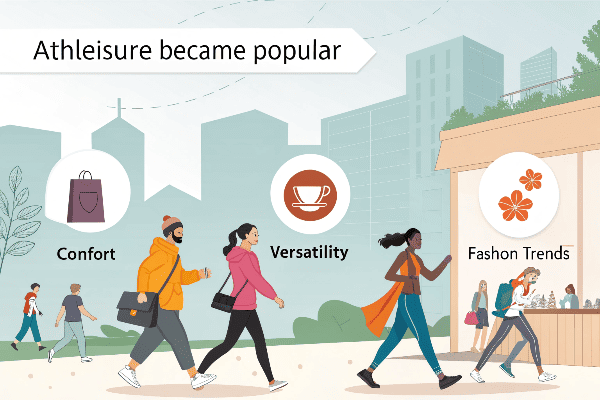
Athleisure isn’t just a trend anymore—it’s a lifestyle. From airport outfits to daily errands and even office looks, people are wearing activewear like never before. But what sparked this shift?
Athleisure became popular due to lifestyle changes, the rise of health-conscious culture, social media influence, and the need for comfortable yet stylish everyday clothing.
When I first started working with brands focused on leggings, hoodies, and yoga sets, I realized this wasn’t just about sportswear—it was about how people live now. They want to look good, feel comfortable, and still be ready for anything.
Table of Contents
- How did lifestyle changes fuel athleisure's rise?
- How did social media accelerate the trend?
- Why is comfort such a big deal?
- Did COVID-19 make athleisure explode?
- Conclusion
How did lifestyle changes fuel athleisure's rise?
Work and life began to blend—and people needed outfits that could handle both.
More people started working remotely, going straight from gym to coffee shops, or mixing work tasks with errands, which made multi-functional clothing more appealing.
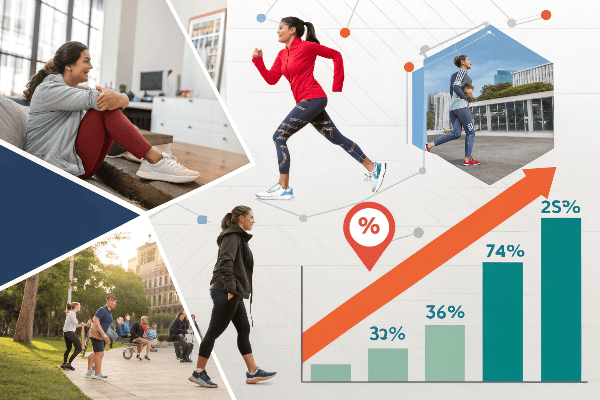
The shift toward versatility
| Lifestyle Trend | Result in Fashion |
|---|---|
| Remote work | Less formal, more comfort-driven outfits |
| Fitness culture | Gym clothes worn outside workouts |
| Flexible routines | Demand for all-day wearability |
Traditional jeans or suits didn’t adapt well. But yoga pants, joggers, and stretch tees fit right in[^1].
How did social media accelerate the trend?
Athleisure became the "Instagram uniform."
Influencers, fitness models, and everyday users showcased gym-to-street looks, normalizing stylish activewear in daily life.
Digital influence on fashion
- Instagram: Created visual trends like matching sets, oversized hoodies
- TikTok: Viral try-on hauls of leggings and sports bras
- Brand collabs: Celebrities partnered with sportswear brands (e.g., Beyoncé x Adidas)
Social platforms made athleisure aspirational—and gave rise to entire activewear brands born online like Gymshark and Alo Yoga[^2].
Why is comfort such a big deal?
Comfort became a non-negotiable part of everyday fashion.
Athleisure uses stretchable, moisture-wicking, and breathable fabrics that people now expect from their daily wear.
Fabric innovation matters
| Fabric Type | Benefit |
|---|---|
| Nylon-Spandex | Flexibility for movement |
| Polyester blends | Moisture control for long wear |
| Cotton-modal | Soft touch for lounging and layering |
Comfort used to be reserved for home. Now, it’s part of how people define style[^3].
Did COVID-19 make athleisure explode?
Yes. The pandemic changed dress codes globally.
During lockdowns, people ditched formalwear. Activewear filled that gap—comfortable for home, yet decent for video calls and grocery runs.
Pandemic impact on fashion
- Loungewear demand surged
- Brands pivoted to leggings and sets
- Athleisure became the new business casual
Even as offices reopened, the relaxed dress codes remain. In 2020, activewear sales surged by over 80% in some categories according to McKinsey[^4].
Conclusion
Athleisure didn’t just become popular—it became a new normal. Driven by lifestyle shifts, comfort-focused innovation, and visual culture, activewear now lives beyond the gym. For brands, understanding this cultural evolution is key to staying relevant.
[^1]: Business Insider. "The rise of athleisure"
[^2]: Fashion Network. "How Gymshark became a $1 billion brand"
[^3]: Vogue. "The psychology of comfort dressing"
[^4]: McKinsey & Company. "The State of Fashion 2021"