
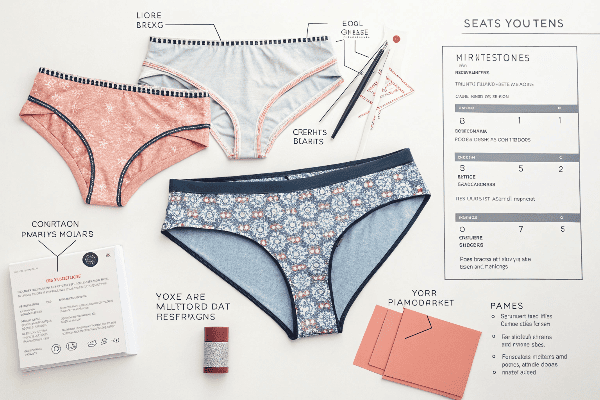
The underwear market is booming—from basics to boudoir, consumers are looking for comfort, function, and personality in what they wear under their clothes. If you're passionate about design, branding, or filling a niche, starting your own underwear line can be both exciting and profitable.
To start your own underwear line, define your niche, design your product, choose the right fabric, find a manufacturer, build your brand identity, and launch through ecommerce or wholesale channels.
When I helped a founder launch their first women's intimate brand, we started with three SKUs and a clear message—comfort without compromise. They sold out in four weeks. With the right foundation, you can do it too.
Table of Contents
- What niche should you focus on?
- How do you design your underwear collection?
- What fabrics are best for underwear?
- How do you find a manufacturer?
- How do you build a strong underwear brand?
- How do you launch your underwear line?
- Conclusion
What niche should you focus on?
Don’t try to make underwear for everyone. Start small and specific.
Choose a focused niche like eco-friendly briefs, size-inclusive lingerie, men's performance underwear, or gender-neutral basics. The tighter your niche, the easier it is to build loyalty.
Niche examples that work
| Niche Type | Target Audience |
|---|---|
| Eco-friendly | Gen Z, sustainability-conscious |
| Size-inclusive lingerie | Curvy women looking for sexy comfort |
| Athletic men’s briefs | Gym-goers, active lifestyles |
| Gender-neutral basics | Minimalist, inclusive buyers |
| Period underwear | Women aged 18–40 |
A defined niche helps you stand out and tailor every decision—from fabric to marketing.
How do you design your underwear collection?
Great underwear starts with smart design—not just aesthetics, but function.
Start with sketches or reference pieces, then create tech packs that outline fit, materials, seams, and trims. Choose 2–4 styles for your first drop.
What should your design include?
| Element | Why It Matters |
|---|---|
| Fabric choice | Determines stretch, breathability, softness |
| Waistband design | Impacts fit and brand identity |
| Seams and gussets | Affect comfort and movement |
| Branding details | Heat transfers, woven tags, embroidery |
You don’t need to be a designer—just have a clear vision. Many factories offer ODM or can connect you with freelance designers.
What fabrics are best for underwear?
Underwear touches the most sensitive parts of the body—choose fabrics carefully.
The best fabrics for underwear are cotton, modal, bamboo, and nylon/spandex blends. Each offers different comfort, stretch, and moisture control.
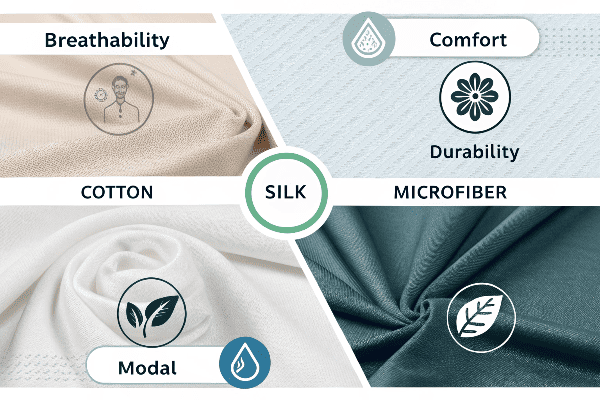
Fabric comparison for underwear
| Fabric | Best For | Feel & Function |
|---|---|---|
| Cotton | Everyday comfort | Breathable, soft, classic |
| Modal | Luxury basics | Silky, smooth, drapes well |
| Bamboo | Eco-conscious buyers | Antibacterial, soft, cooling |
| Nylon/Spandex | Performance & shape retention | Stretchy, form-fitting |
Blend fabrics smartly—for example, 95% cotton + 5% spandex is ideal for stretch briefs.
How do you find a manufacturer?
Finding the right factory is key to turning your idea into reality.
Look for underwear manufacturers with experience in stretch fabrics, low MOQs (if you’re starting small), and good communication.
How to evaluate a factory
| Criteria | Why It Matters |
|---|---|
| MOQ | Startups may want 100–300 pcs/style |
| Sample capability | Essential for fit and construction feedback |
| Fabric sourcing | Can the factory supply bamboo/modal/mesh? |
| Custom branding | Waistbands, labels, tags, packaging |
Popular manufacturing hubs include:
China, Bangladesh, Vietnam, and Turkey.
How do you build a strong underwear brand?
Branding is more than a logo—it’s how you make people feel.
Create a brand that reflects your audience’s values: body positivity, function, sensuality, or sustainability. Then express it through your name, visuals, voice, and customer experience.
Must-have brand elements
| Element | Role in your launch |
|---|---|
| Brand name | Easy to remember, aligned with your niche |
| Logo | Clean, scalable, looks good on tags/packaging |
| Voice | Playful? Empowering? Minimalist? |
| Story | Why you started, what sets you apart |
Your brand should speak clearly to your target customer from the first glance.
How do you launch your underwear line?
You don’t need a fashion show—you need a smart strategy.
Most new underwear brands launch through ecommerce (Shopify or WooCommerce), Instagram/TikTok campaigns, influencer collabs, or niche marketplaces.
Go-to-market checklist
| Channel | Best For |
|---|---|
| Shopify store | Full control of branding and sales |
| TikTok/Instagram | Building buzz and visual storytelling |
| Influencers | Fast trust and targeted exposure |
| Wholesale/B2B | Boutique shops, Amazon, Faire |
Start lean: 2–4 styles, clear product photography, size chart, and strong brand voice.
Conclusion
Starting your own underwear line takes planning, creativity, and persistence. Define a niche, design smart, choose soft and ethical materials, partner with the right factory, and launch with a story people want to support. Comfort starts with you—but brand success starts with clarity.
[^1]: Shopify ecommerce platform — https://www.shopify.com
[^2]: Alibaba for manufacturing sourcing — https://www.alibaba.com
[^3]: Bangladesh Garment Exporters Association — https://www.bgmea.com.bd
[^4]: Vietnam Textile & Apparel Association — https://vitas.com.vn
[^5]: Turkish Exporters Assembly — https://www.tim.org.tr