
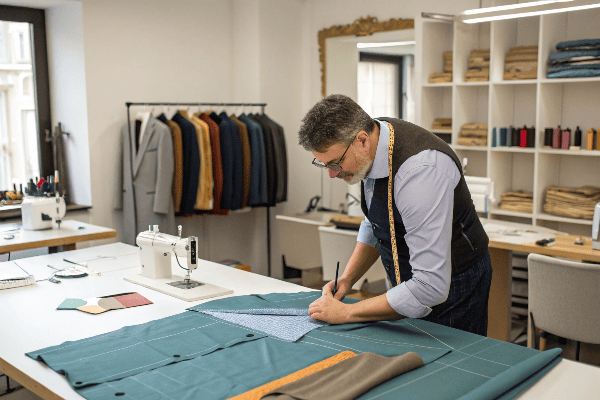
The term "cut and sew" refers to the process of creating clothing from raw fabric by cutting it into individual pieces and sewing them together to form a finished garment. It’s one of the most traditional and commonly used methods in apparel manufacturing, especially for custom designs and small-batch production.
Cut and sew clothing involves cutting fabric into pattern pieces and then stitching them together to create the final product. This process allows for customized fits, unique designs, and high-quality construction.
When I first learned about cut and sew, I realized how important it is in custom fashion. The method gives designers and manufacturers the flexibility to create garments that fit perfectly and showcase intricate designs.
Table of Contents
- How does the cut and sew process work?
- What types of clothing use the cut and sew method?
- Why is cut and sew more expensive than mass production?
- Conclusion
How does the cut and sew process work?
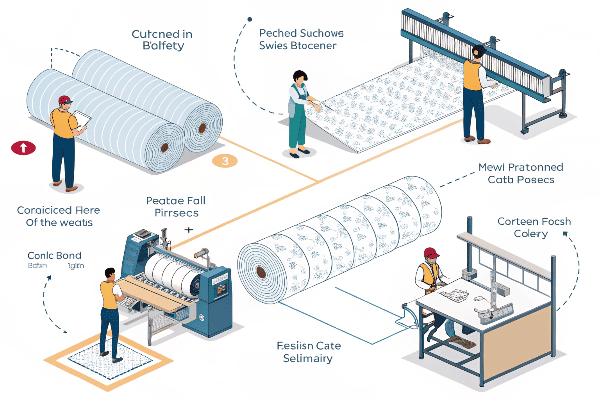
Cut and sew is a two-part process: cutting fabric and sewing the pieces together.
First, the fabric is cut into pattern pieces using a template or pattern. These pieces are then sewn together to form a complete garment, with finishing touches like hemming, adding labels, or attaching zippers.
Why is the cut and sew method important in garment manufacturing?
The cut and sew technique is essential for creating custom or made-to-order clothing. Unlike mass-produced apparel, cut and sew garments are more flexible in terms of design, material choice, and fit, making them ideal for brands looking for high-quality or unique garments.
| Step | Description |
|---|---|
| Fabric Cutting | The fabric is cut into pieces based on a pattern |
| Sewing | The cut pieces are stitched together to form the garment |
| Finishing | The garment is finished with trims, labels, and details |
This method ensures that the fabric's texture, color, and pattern are considered, which allows for better design control and a more polished final product.
What types of clothing use the cut and sew method?
Cut and sew is commonly used in the production of a variety of garments.
It is often used for custom t-shirts, hoodies, jackets, pants, and dresses, especially when unique cuts or styles are required.
Which brands use the cut and sew method?
Many popular fashion brands use cut and sew to offer more customized designs, including streetwear brands, high-end designers, and companies offering made-to-order clothing. The flexibility of the method allows these brands to produce unique and high-quality garments.
| Brand | Garment Type | Production Focus |
|---|---|---|
| Supreme | T-shirts, hoodies | Streetwear with limited designs |
| Patagonia | Jackets, outdoor wear | Eco-friendly fabrics, durability |
| Nike | Sportswear, custom fits | High-performance, tailored clothing |
Cut and sew is essential for companies that want to deliver something different from the mass market.
Why is cut and sew more expensive than mass production?
Cut and sew requires more time, labor, and skill, making it more costly than mass production methods.
The process involves creating patterns, cutting fabric by hand or with machines, and often sewing smaller batches, which adds to production costs.
What drives the cost of cut and sew clothing?
The labor-intensive nature of cut and sew production makes it more expensive. It requires skilled workers, attention to detail, and quality control at each step. However, the higher cost results in garments that are more durable, well-fitting, and unique.
| Factor | Impact on Cost |
|---|---|
| Labor Intensity | Skilled labor required for pattern making and sewing |
| Small Batch Production | Lower volume, higher unit cost |
| Customization | More personalized fit and design options |
Despite the higher cost, the cut and sew method is worth it for brands focused on quality and customization.
Conclusion
Cut and sew clothing refers to the process of creating garments by cutting fabric and sewing it together. It is a more labor-intensive and customized method, ideal for producing high-quality and unique garments. Whether for streetwear, activewear, or high-end fashion, this method remains key in creating apparel that stands out.
[^1]: Supreme's approach to custom designs
[^2]: Patagonia's eco-friendly initiatives
[^3]: Nike's custom sportswear