
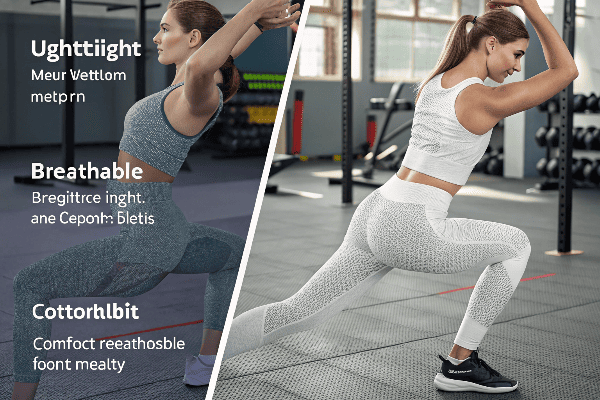
Not all fabrics can handle heat, sweat, and motion. If you’re choosing workout clothes—or manufacturing them—fabric matters more than you think.
The best fabrics for gym wear are polyester, nylon, spandex, and moisture-wicking blends. These materials are breathable, quick-drying, and stretch-friendly—ideal for performance.
I’ve helped brands develop gym collections, and I always emphasize this: great performance starts with the right fiber. Let’s break down what works best and why.
Table of Contents
- What makes a fabric good for the gym?
- Is polyester or cotton better for working out?
- What are the best performance fabrics for gym clothing?
- Should gym clothes be tight or loose?
- Conclusion
What makes a fabric good for the gym?
Not just comfort—functionality matters most.
A good gym fabric must be moisture-wicking, breathable, elastic, and durable. It should stretch with movement and dry quickly.
| Key Feature | Why It Matters |
|---|---|
| Moisture-wicking | Pulls sweat away from skin |
| Breathable | Prevents overheating |
| 4-way stretch | Supports dynamic movement |
| Quick-drying | Keeps you dry and odor-free |
| Durable | Survives intense workouts and washes |
These traits are usually found in synthetic or blended fibers.[^1]
Is polyester or cotton better for working out?
Polyester wins by a landslide.
Polyester is better than cotton for gym wear because it dries faster, wicks moisture, and holds its shape. Cotton absorbs sweat, stays damp, and clings to the skin.[^2]
| Feature | Polyester | Cotton |
|---|---|---|
| Drying Speed | Fast | Slow |
| Breathability | Moderate–High | Moderate |
| Sweat Wicking | Yes | No |
| Odor Resistance | Moderate | Low |
| Comfort | Smooth + cool | Soft, but clingy |
Cotton feels nice at first—but fails during high-sweat activities.
What are the best performance fabrics for gym clothing?
You’ll often see blends—and there’s a reason.
Top gym fabrics include polyester blends, nylon, and spandex. These materials combine moisture management with stretch and breathability.
| Fabric | Best For | Notes |
|---|---|---|
| Polyester | Overall performance | Lightweight, wicking, quick-drying |
| Nylon | Flexibility + smooth feel | Slightly more premium feel than poly |
| Spandex (Elastane) | Stretch zones | Used in blend (5–20%) for mobility |
| Bamboo blends | Light activity, yoga | Softer, more eco-friendly |
| Recycled poly | Sustainable performance | Same function, lower environmental cost |
Most top gym wear brands, such as Nike and ASRV, rely on polyester-spandex or nylon-spandex blends for leggings, tops, and compression gear.[^3]
Should gym clothes be tight or loose?
It depends on the workout.
Tighter clothes with spandex help with mobility and sweat control, while looser ones offer better airflow and layering comfort.
| Fit Type | Ideal For |
|---|---|
| Compression (tight) | Running, weightlifting, HIIT |
| Relaxed Fit | Warm-ups, casual wear, stretching |
Choose based on function—not just fashion.
Conclusion
The best fabrics for the gym are polyester, nylon, and spandex blends. They wick sweat, dry fast, and move with your body. Cotton may feel nice but falls short in performance. For serious workouts, go synthetic or blended for the best results.
[^1]: “The Best and Worst Fabrics for Your Workout Clothes,” Healthline
[^2]: “Why Cotton Kills (Your Workout),” BBC Future
[^3]: “Materials Guide: Synthetic vs Natural for Performance,” REI Co-op Journal
[^4]: Nike Gym Clothing Technology