
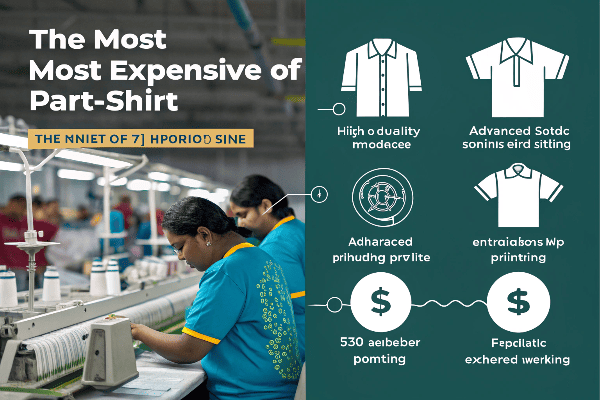
When it comes to making a t-shirt, the costs can add up quickly. But what exactly makes the price go up? Is it the fabric, the labor, or the printing? Let’s break it down.
The most expensive part of making a t-shirt is typically the fabric and printing or embroidery, especially when using premium materials or custom designs.
I’ve seen t-shirt costs vary widely depending on the fabric choice and design complexity. For example, a basic cotton tee is affordable, but a custom design with high-quality printing or embroidery can significantly increase the price. Here's how.
Table of Contents
- What drives up the cost of a t-shirt?
- How does printing or embroidery affect t-shirt cost?
- How does labor impact t-shirt production costs?
- Are there other hidden costs in t-shirt production?
- Conclusion
What drives up the cost of a t-shirt?
Several factors affect the cost of manufacturing a t-shirt, but the fabric and the method used to decorate it are usually the most expensive.
Fabric, printing, and labor all play key roles, but fabric costs, particularly for premium materials, and the complexity of the printing or embroidery process tend to be the most expensive elements.
You can find more on fabric prices from Fabric.com – a trusted online source for fabric pricing and selection.
What makes fabric the biggest cost?
- Fabric Type: The choice of fabric significantly impacts the price. For example, 100% cotton is cheaper than organic cotton, and polyester blends are often cheaper than natural fabrics.
- Fabric Weight: Heavier fabrics like 200 GSM (grams per square meter) cost more than lighter fabrics like 150 GSM.
| Fabric Type | Average Cost per Yard | Characteristics |
|---|---|---|
| Cotton (Standard) | $1–$3 | Soft, breathable |
| Organic Cotton | $3–$5 | Sustainable, soft |
| Polyester Blend | $0.80–$2 | Durable, quick-drying |
| Triblend (Cotton, Polyester, Rayon) | $2–$4 | Soft, lightweight |
When does fabric cost become a major expense?
For large orders, fabric cost is usually the most significant expense, especially if you choose higher-end materials like organic cotton, bamboo, or specialty blends. For a better understanding of fabric sourcing and cost breakdown, check out Textile Exchange.
How does printing or embroidery affect t-shirt cost?
Once you’ve selected your fabric, the next big cost comes from how you decorate the t-shirt. Whether it’s screen printing, direct-to-garment (DTG) printing, or embroidery, these techniques add substantial cost.
Printing and embroidery often cost more than the fabric itself, especially for custom designs or high-volume orders.
For detailed cost comparisons and methods, visit Printful's guide on printing techniques for an in-depth breakdown of various t-shirt printing methods.
Printing vs. Embroidery Cost Breakdown
1. Screen Printing
- Cost: $1–$5 per shirt, depending on the complexity of the design and the number of colors.
- Best for: Large orders with simple designs.
2. Direct-to-Garment (DTG) Printing
- Cost: $4–$10 per shirt, depending on design size and number of colors.
- Best for: Small orders with detailed or multi-colored designs.
3. Embroidery
- Cost: $5–$15 per shirt, based on stitch count and thread type.
- Best for: High-quality logos, durable designs, and small quantities.
| Decoration Method | Cost per Shirt | Best for | Pros |
|---|---|---|---|
| Screen Printing | $1–$5 | Bulk orders, simple designs | Fast, cost-effective for large runs |
| DTG Printing | $4–$10 | Small orders, detailed designs | High quality, no setup fees |
| Embroidery | $5–$15 | Premium, small runs | Durable, high-end feel |
How does labor impact t-shirt production costs?
Labor costs also contribute, but they tend to be less significant than fabric or printing, unless you’re working with a factory that has high labor costs.
Labor costs depend on the complexity of the design, how many steps are involved, and where the t-shirts are produced.
For more on labor costs in the apparel industry, visit Manufacturing.net.
How to minimize labor costs?
- Outsource production to lower-cost countries: Countries like China, India, and Bangladesh have lower labor costs, which can reduce the overall price.
- Simplify the production process: Avoiding excessive embellishments or complicated designs can lower labor time and costs.
| Labor Factors | Impact on Cost |
|---|---|
| Location | Higher in developed countries |
| Complexity | More complex designs require more labor |
| Efficiency | Streamlined processes reduce cost |
Are there other hidden costs in t-shirt production?
While fabric, printing, and labor are the main costs, there are also hidden costs that can add up.
Packaging, shipping, and taxes are often overlooked but can significantly increase the total cost per shirt.
Learn more about international shipping and customs from ShipBob.
Hidden costs to consider
- Packaging Costs: Adding custom tags, polybags, or boxes can increase the cost.
- Shipping & Duties: International shipping and customs duties can add up, especially for bulk orders.
- Design Fees: If you hire a designer or pay for custom graphics, this can add significant upfront costs.
| Hidden Cost | Average Impact per Shirt |
|---|---|
| Packaging | $0.20–$2 |
| Shipping & Duties | $1–$5 |
| Design Fees | $50–$300 (one-time) |
Conclusion
The most expensive part of making a t-shirt often comes down to the fabric and the printing or embroidery process. Premium fabrics like organic cotton and complex printing techniques like DTG or embroidery add significant costs. When planning your t-shirt production, always consider the entire cost breakdown to ensure you get the best value for your budget.
[^1]: Fabric Type Costs – Learn more about the different fabric types and their price ranges from textile suppliers. Fabric.com
[^2]: Screen Printing vs. DTG vs. Embroidery – A breakdown of the various decoration methods and their costs for custom t-shirt production. Printful
[^3]: Labor and Outsourcing – Consider outsourcing to lower-cost regions to reduce labor-related costs in garment production. Manufacturing.net
[^4]: Hidden Costs – Packaging, shipping, and duties are often overlooked but can affect your final production cost. ShipBob