
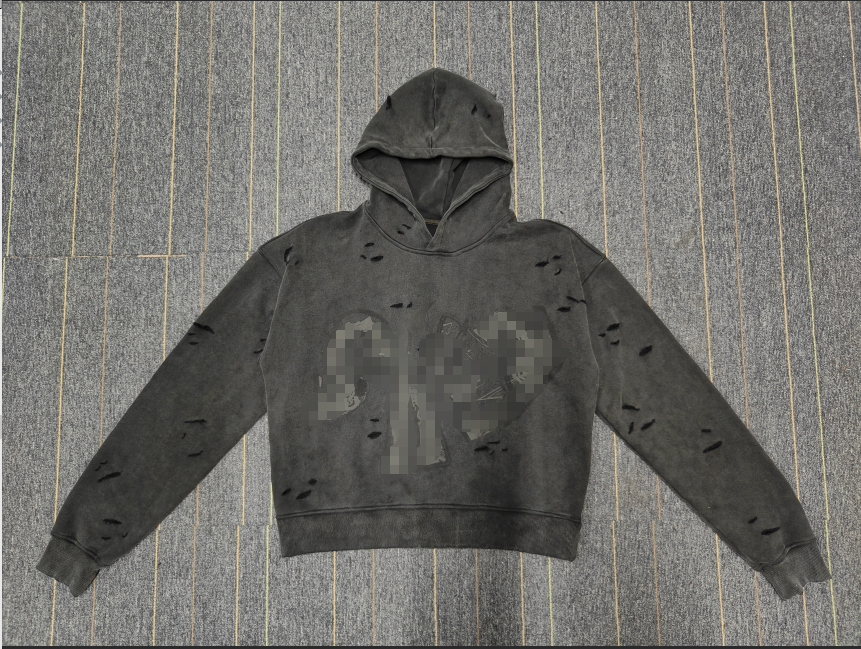
You're building a streetwear brand. The references you send your factory are pulled from Tokyo archive labels, vintage military pieces, and obscure designer runway shows. You need waffle knit at 400gsm, color-blasted wash, spray-paint detailing, and a factory that can interpret a half-finished sketch into a finished garment. Most Chinese factories nod through your inquiry and then ship you a basic hoodie that misses everything you actually wanted.
A streetwear manufacturer in China is different from a regular clothing factory. They understand archive aesthetics, complex wash and decoration techniques, heavyweight fabrics, technical construction (bomber jackets, oversized fits), and the tight communication cycle that streetwear brands require — including pre-production samples, in-process videos, and design iteration on demand. Most general factories can sew the shape. Few can deliver the soul of streetwear.
I've run a clothing factory in Dongguan for over 20 years. About 80% of our work is streetwear — heavyweight hoodies, oversized zip jackets, bomber jackets, washed and printed pieces for brands across the US, UK, and Europe. The difference between making streetwear and making "stretchy clothing with graphics" is everything. Here's what every emerging streetwear brand owner needs to know.
Table of Contents
- What Defines a Streetwear Manufacturer (vs a Regular Factory)?
- What Custom Techniques Are Common in Streetwear Production?
- Why Do Streetwear Brands Prefer Chinese Manufacturers?
- How to Communicate Streetwear Design Details to a Factory?
- What MOQ Is Realistic for Emerging Streetwear Brands?
- How to Protect Your Streetwear Designs When Working With a Factory?
- How Much Does It Cost to Manufacture Streetwear in China?
- Conclusion
What Defines a Streetwear Manufacturer (vs a Regular Factory)?
The first thing brand owners need to understand is that "streetwear manufacturer" isn't just a marketing label. It describes a specific set of capabilities most factories don't have. The difference is technical, cultural, and operational.
A streetwear manufacturer specializes in heavyweight fabrics (380gsm+), complex wash treatments (color blasting, enzyme, garment dye, distressing), advanced decoration (puff print, spray paint, applique patches, embroidery), oversized and archive-inspired fits, and tight communication cycles. They also understand the streetwear release cycle — pre-production samples for Instagram teasing, fabric confirmation per batch, and design iteration up until production starts.
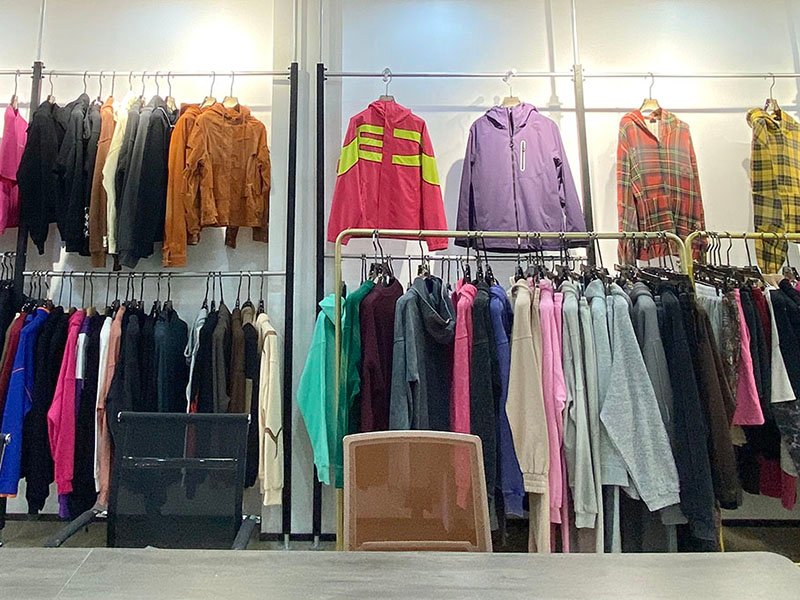
Regular factories see clothing as a product to ship. Streetwear factories see clothing as part of a brand culture. The mindset difference shows up everywhere — in how questions get asked, how samples get made, and how problems get solved.
The Capability Test
Here's a simple way to know if a factory really makes streetwear or just claims to:
| Ask About | A Streetwear Factory Knows | A Regular Factory Doesn't |
|---|---|---|
| Waffle knit at 400gsm | Yes, common in streetwear basics | "What's waffle knit?" |
| Color blasting + spray paint | Routine technique | Confused by the terms |
| Bomber jacket construction | Standard fall/winter work | Treats it like a regular jacket |
| Heavyweight bonded fabric | Available, priced accordingly | Has never sourced it |
| Pre-production sample (PP) | Standard step | "Just go straight to bulk?" |
| Wash factory video for client | Done routinely | Confused by the request |
If a factory can't speak fluently to these, they're not actually a streetwear manufacturer. They're a regular factory hoping to take streetwear orders.
The Mindset Difference
Regular factories work to specifications. You give them a tech pack, they execute it. If the tech pack has gaps, they fill them with whatever's easiest for their production line.
Streetwear factories work to intent. They understand that a streetwear brand isn't just buying a hoodie — they're building a piece that has to feel a certain way, fit a certain way, age a certain way. When a tech pack has gaps, a streetwear factory asks questions. When a design feels off, they push back. When a wash isn't landing right, they iterate without being told.
This mindset can't be faked. Either the factory has built it through years of streetwear work, or they haven't.
The Streetwear Production Cycle
A typical streetwear order with us follows a longer, more communicative cycle than a regular apparel order:
- Design review and consultation — discuss references, fit, fabric, decoration
- Fabric sourcing and color confirmation — physical swatches sent for approval
- First sample with detail photos/videos — client sees every step
- Sample iteration — usually 2–3 rounds for complex pieces
- Pre-production sample (PP) — final approval before bulk
- Bulk production with milestone updates — wash factory videos, pattern room photos
- Pre-shipment sample sent ahead — for client marketing and Instagram teasing
- Final QC and shipment — with documentation
Regular factories skip steps 4, 5, 6, and 7. That's where most streetwear orders fail.
What Custom Techniques Are Common in Streetwear Production?
Streetwear lives on technique. The decoration, wash, and finishing methods are what separate streetwear from regular clothing more than the fabric or fit do. Understanding which techniques exist helps you communicate clearly with any factory.
Common streetwear production techniques include heavyweight knit fabrics (waffle, French terry, loop terry at 350–500gsm+), wash treatments (enzyme, garment dye, color blasting, acid wash, distressing), decoration methods (screen print, puff print, DTG, discharge print, spray paint, applique patches, 3D embroidery), and specialized construction (oversized fits, bomber jacket builds, dropped shoulders, raw hem finishing).
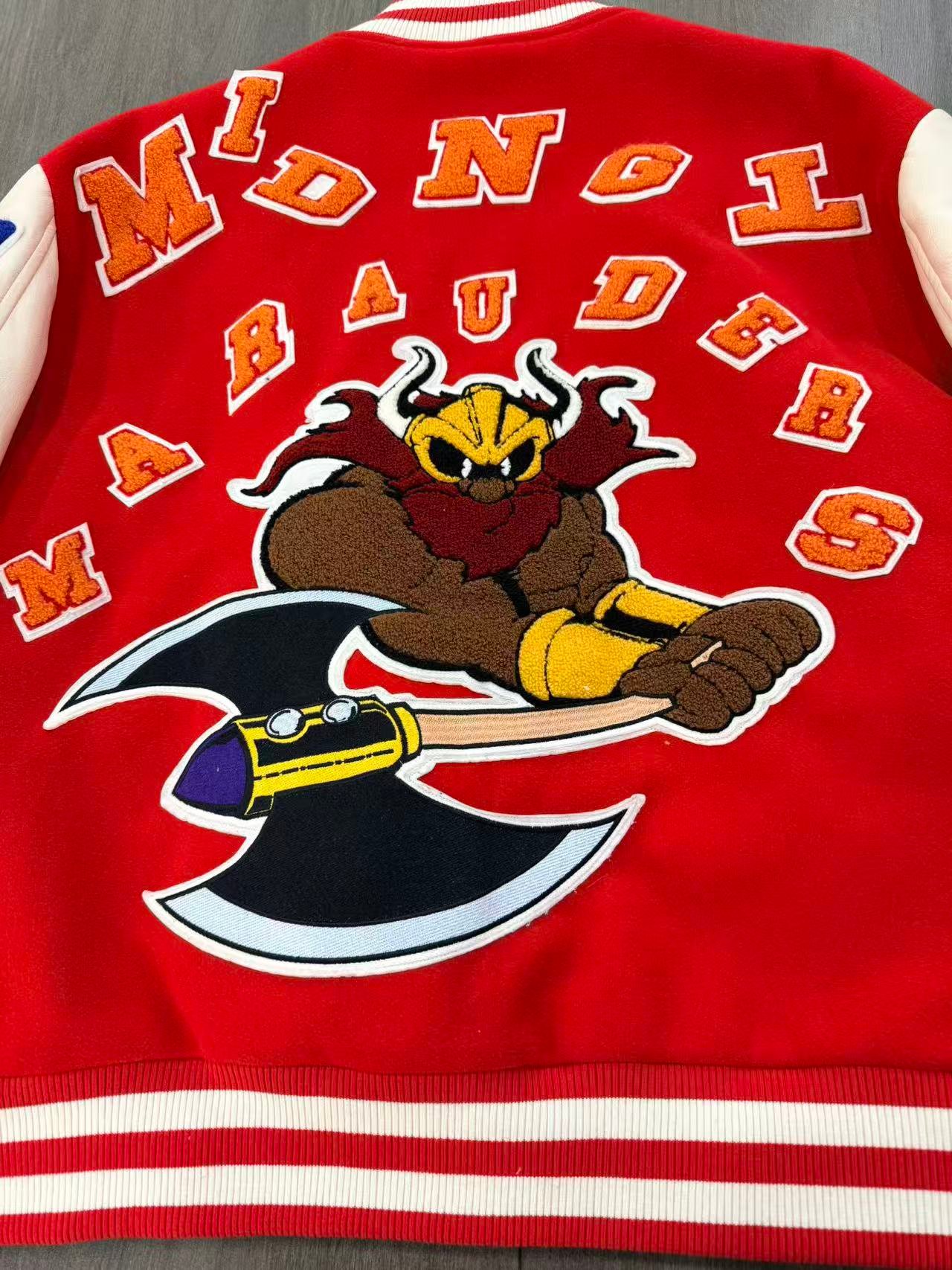
These techniques are usually combined — a single streetwear piece might use four or five techniques at once. The art is in the sequence, the layering, and the restraint.
Heavyweight Streetwear Fabrics
Streetwear is built on the feel of weight. The fabric does the marketing.
| Fabric | Common Weight | Typical Use |
|---|---|---|
| French terry | 380–500gsm | Heavyweight hoodies and crewnecks |
| Waffle knit | 250–450gsm | Long sleeve henleys, thermal layers, oversized tops |
| Loop terry | 400–600gsm | Premium heavyweight hoodies |
| Brushed fleece | 380–500gsm | Winter hoodies, fleece pieces |
| Heavyweight cotton jersey | 240–320gsm | Boxy tees, statement pieces |
| Nylon shell | Varies | Bomber jackets, technical outerwear |
Waffle knit deserves special mention. It's become one of the most requested fabrics in modern streetwear — that textured, raised-weave look gives oversized fits a distinct silhouette. At 400gsm+, it sits between sweater and hoodie territory and works for transitional season pieces.
Wash Treatments in Streetwear
Wash is where streetwear separates from basic apparel. The goal is to give new garments the visual story of years of wear — without sacrificing structural integrity.
- Enzyme wash: Softens fabric, slight color fade. Foundational wash for almost all streetwear
- Garment dye: Color applied after the garment is sewn, creating tonal variation that flat-dyed fabric can't replicate
- Color blasting: Bleach or spray-dye applied unevenly to create a "blasted" or sun-burned effect
- Acid wash: Marbled bleach effect, popular in retro and Y2K-influenced streetwear
- Stone wash: Adds texture and worn appearance, common on denim-influenced streetwear
- Distressing: Hand-applied tears, frays, holes — controlled chaos that requires skilled labor
- Spray paint: Hand-applied paint detailing for graffiti-influenced aesthetics
The hardest part isn't doing any single wash. It's doing multiple in the right sequence without ruining the fabric.
Decoration Methods That Define Streetwear
| Technique | Visual Effect | Where It Excels |
|---|---|---|
| Screen print (puff) | Raised, textured graphics | Bold logos on heavyweight bases |
| DTG print | Detailed full-color graphics | Complex artwork, photos |
| Discharge print | Soft hand feel, dyed into fabric | Vintage-look graphics on dark colors |
| Spray paint | Hand-applied, every piece unique | Graffiti aesthetics, one-of-one feel |
| Applique patches | Sewn-on patch graphics | Archive, military, sport references |
| 3D puff embroidery | Foam-backed raised letters | Sport-inspired streetwear |
| Chenille | Soft, fuzzy raised letters | Varsity and collegiate aesthetics |
Specialized Streetwear Construction
Beyond fabric and decoration, streetwear has its own construction vocabulary:
- Oversized fits: Dropped shoulders, longer body, wider sleeves
- Boxy silhouettes: Wider, shorter cuts that play against the body
- Bomber jacket builds: Specific facings, ribbed cuffs and hems, lining requirements
- Raw hem finishing: Unfinished or roughly cut edges as design feature
- Tonal vs contrast stitching: Specific choices on visible thread color
- Custom rib trims: Heavyweight ribbed cuffs and waistbands
A factory that doesn't understand these terms will give you a "hoodie" that looks like every other hoodie on Aliexpress.
Why Do Streetwear Brands Prefer Chinese Manufacturers?
The reasons go beyond cost. China dominates streetwear manufacturing because of supply chain depth, fabric variety, technique availability, and accumulated expertise in the specific decoration and wash methods streetwear depends on.[^1]
Streetwear brands prefer Chinese manufacturers because China offers the densest concentration of heavyweight knit fabric mills, integrated wash and decoration facilities, factories experienced in archive and streetwear aesthetics, and the ability to handle complex multi-technique orders. The Dongguan and Guangzhou apparel cluster in particular has 20+ years of accumulated streetwear know-how.
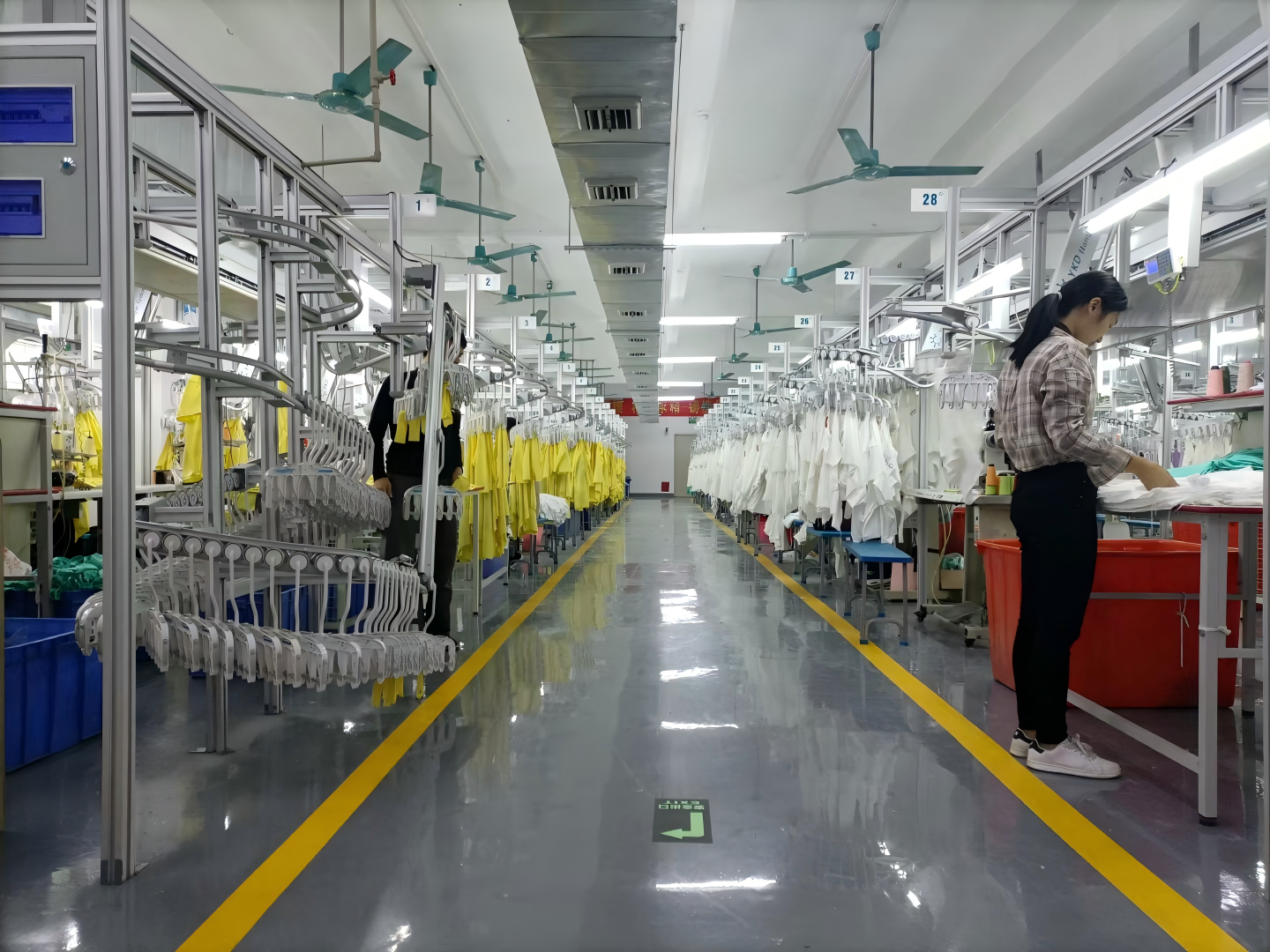
Cost is part of it — but cost alone wouldn't be enough. Vietnam and Bangladesh are cheaper than China for basic cut-and-sew. They just can't do streetwear at the same level.
The Real Reasons China Wins for Streetwear
1. Fabric Supply Chain Depth
The Dongguan-Guangzhou cluster has dedicated mills producing every heavyweight knit a streetwear brand could want. Waffle knit at 400gsm? Five mills make it. Heavyweight French terry at 450gsm in 20 different shades? Available. This depth isn't replicable elsewhere — it took 20 years of demand to build it.
2. Integrated Wash and Decoration Facilities
Most streetwear cities (Dongguan, Foshan, Humen) have wash factories, embroidery facilities, and screen print shops within an hour's drive of the cut-and-sew factory. This integration makes complex multi-technique pieces logistically feasible. In countries without this density, every wash treatment requires shipping the garments out and back — adding weeks to the timeline.
3. Accumulated Streetwear Expertise
Factories that have made streetwear for 10+ years know things that aren't in any textbook. They know which wash sequence ruins which fabric. They know how to handle puff print on bonded composite without delamination. They know how oversized fits need to be patterned differently than regular fits. This expertise compounds — and it's mostly in China.
4. Iteration Speed
Streetwear brands constantly iterate. Add a patch. Change the wash. Move the print 2cm. A factory that can sample and re-sample in 7–14 days makes those iterations possible. Factories far from raw materials can't match that speed.
What China Can't Always Match
To be fair, China doesn't win on every dimension:
- Premium denim: Japan still leads on selvedge and specialty denim
- Italian leather: Italy remains the standard for premium leather goods
- Heritage knitwear: Some specialty Scottish and Italian mills are unmatched
For most streetwear apparel — hoodies, tees, sweatshirts, bombers, oversized pieces — China is the most capable choice for emerging-to-mid brands.
How to Communicate Streetwear Design Details to a Factory?
This is where most brand owners struggle. They have a clear vision in their head, but they can't translate it into language a factory understands. The factory builds what was technically specified — not what was emotionally intended.
Effective streetwear communication requires reference images (not just tech packs), specific terminology (GSM, wash names, decoration techniques), tight feedback loops with photos and videos at every step, pre-production samples before bulk, and a willingness to iterate on design during the sample phase. The factories that succeed at this are the ones that ask more questions than they answer.
Let me share a story about what real streetwear communication looks like.
A New York Brand and the Communication Cycle
One of our long-term clients is a streetwear brand owner from New York. His pieces center oversized zip jackets — heavily washed, color-blasted, sometimes hand-sprayed, mostly in waffle knit at 350–450gsm or heavier. In the fall and winter he runs bomber jackets too.
What makes him different isn't the product. It's how he works.
He sends design inspiration almost daily — Instagram saves, vintage references, sketch updates. He expects detail photos and videos at every stage of production. When we're running his washes, our team often films short videos from the wash factory and sends them to him in real time — he wants to see the wash develop, not just the final result. Same with pattern room: when his designs require complex pattern revisions, we film the changes so he can approve them from New York.
For every batch, he requires fabric color confirmation before bulk runs — we courier physical swatches to him in NYC, he checks them under his studio lighting, he confirms, then we proceed. Pre-production samples are non-negotiable. Every order goes through a PP sample even when the style has been run before.
And once production is finished, we ship one or two pre-shipment samples ahead of the main shipment — by air courier, fast enough that he can shoot product photography and tease drops on Instagram while the rest of the order is still in transit.
That's what streetwear communication actually looks like. Not "submit tech pack, receive product." More like an ongoing creative collaboration. Any factory that can't or won't operate this way isn't a streetwear partner — they're a vendor.
The Communication Checklist
When you're vetting a streetwear factory, ask:
| Communication Element | Why It Matters |
|---|---|
| Will you send photos at every sample stage? | Catches issues before they become problems |
| Can you provide wash factory videos? | Confirms the wash is being done correctly |
| Will you do a pre-production sample? | Final safeguard before bulk |
| Can you send fabric swatches per batch? | Color matching across production runs |
| What's the response time on messages? | Predicts how production crises will be handled |
| Can you accept design iterations after sampling? | Reality of streetwear development |
| Will you send pre-shipment samples ahead? | Critical for brand marketing timing |
A factory that says "no" or "extra cost" on most of these isn't serving streetwear brands.
How to Avoid Communication Failures
- Send references, not just tech packs. A tech pack alone isn't enough. Pair it with reference images of pieces you love and pieces you hate
- Be specific with terminology. "Heavy wash" means nothing. "Enzyme wash followed by light spray bleach in a faded sun pattern" tells the factory what you want
- Don't trust silence. If the factory hasn't asked any questions, they probably don't understand the project
- Confirm everything in writing. Verbal agreements during sample iteration are how details get lost
What MOQ Is Realistic for Emerging Streetwear Brands?
Streetwear MOQ has a reputation for being lower than other apparel categories — and that's partly true. But the realistic number depends on the complexity of the piece, the fabric, and the wash and decoration treatments involved.
For emerging streetwear brands, the realistic MOQ is 50 pieces per style per color for most knit pieces (hoodies, tees, sweatshirts, waffle pullovers). For complex pieces with custom fabric, multiple wash treatments, and multi-technique decoration, MOQ may rise to 100 pieces. Bomber jackets and woven outerwear often require 100–200 pieces due to fabric purchase units.
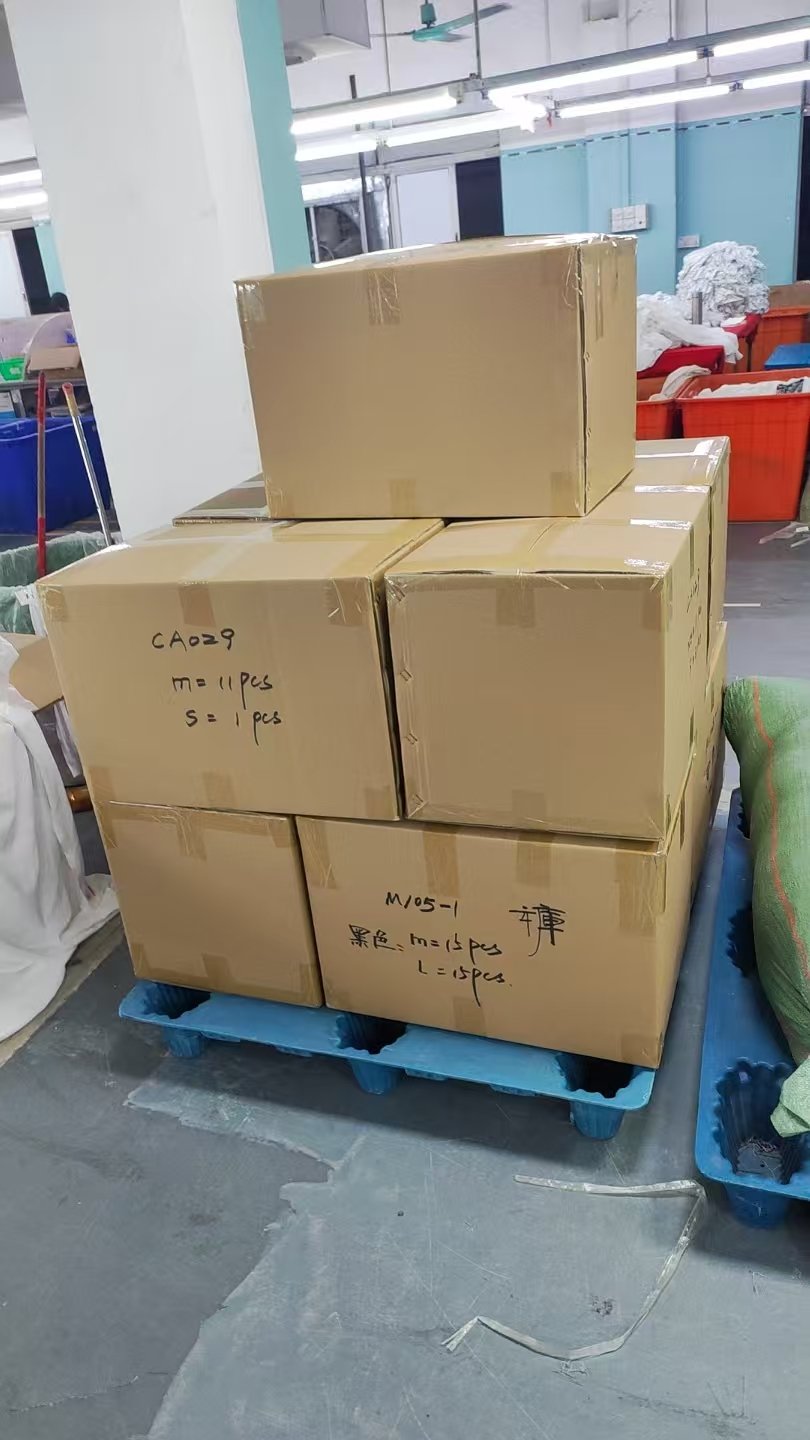
The right MOQ keeps a new brand learning without forcing them to bet too big on any single style.
MOQ Varies by Streetwear Type
| Streetwear Piece | Realistic MOQ | Why |
|---|---|---|
| Heavyweight hoodie | 50 pcs | Standard knit production |
| Heavyweight tee | 50 pcs | Standard knit production |
| Waffle pullover | 50 pcs | If factory stocks waffle fabric |
| Sweat shorts | 50 pcs | Standard knit |
| Bomber jacket | 100–200 pcs | Woven fabric, complex construction |
| Heavyweight crewneck | 50 pcs | Standard knit |
| Tracksuit (top + bottom) | 100 sets | Two pieces, fabric coordination |
| Multi-wash multi-print piece | 100 pcs | Production setup complexity |
Why Streetwear MOQ Is Lower Than Other Categories
The streetwear segment matured around small drops. Brands intentionally produce limited runs to drive scarcity and resale value. Factories that serve this segment built their workflows around accepting small orders profitably — through batched fabric purchases, shared cutting layers, and tighter scheduling.
At DeCheng, we accept 50-piece MOQ on most streetwear knit pieces. That's not unique to us — most established streetwear factories in Dongguan operate similarly. But many newer factories don't, which is why MOQ negotiations vary so widely.
How to Negotiate Better MOQ Terms
- Reduce color count (3 colors at 50 each beats 1 color at 30)
- Use stock fabric instead of custom-dyed
- Start with simpler styles to build the relationship
- Commit to a series of drops rather than one-off orders
- Be patient — second and third orders often unlock better terms
How to Protect Your Streetwear Designs When Working With a Factory?
Design protection is a real concern for streetwear brands. The aesthetic is so distinctive that copying is easy — and the cost of getting copied can be devastating. There's no perfect protection, but there are real safeguards.
To protect streetwear designs when working with a Chinese factory, sign an NDA before sharing tech packs, register your trademark and key designs in your home market, work with factories that have established reputations and verifiable client history, request exclusivity clauses on custom patterns you develop, and avoid sharing complete tech packs with multiple factories during quote shopping.
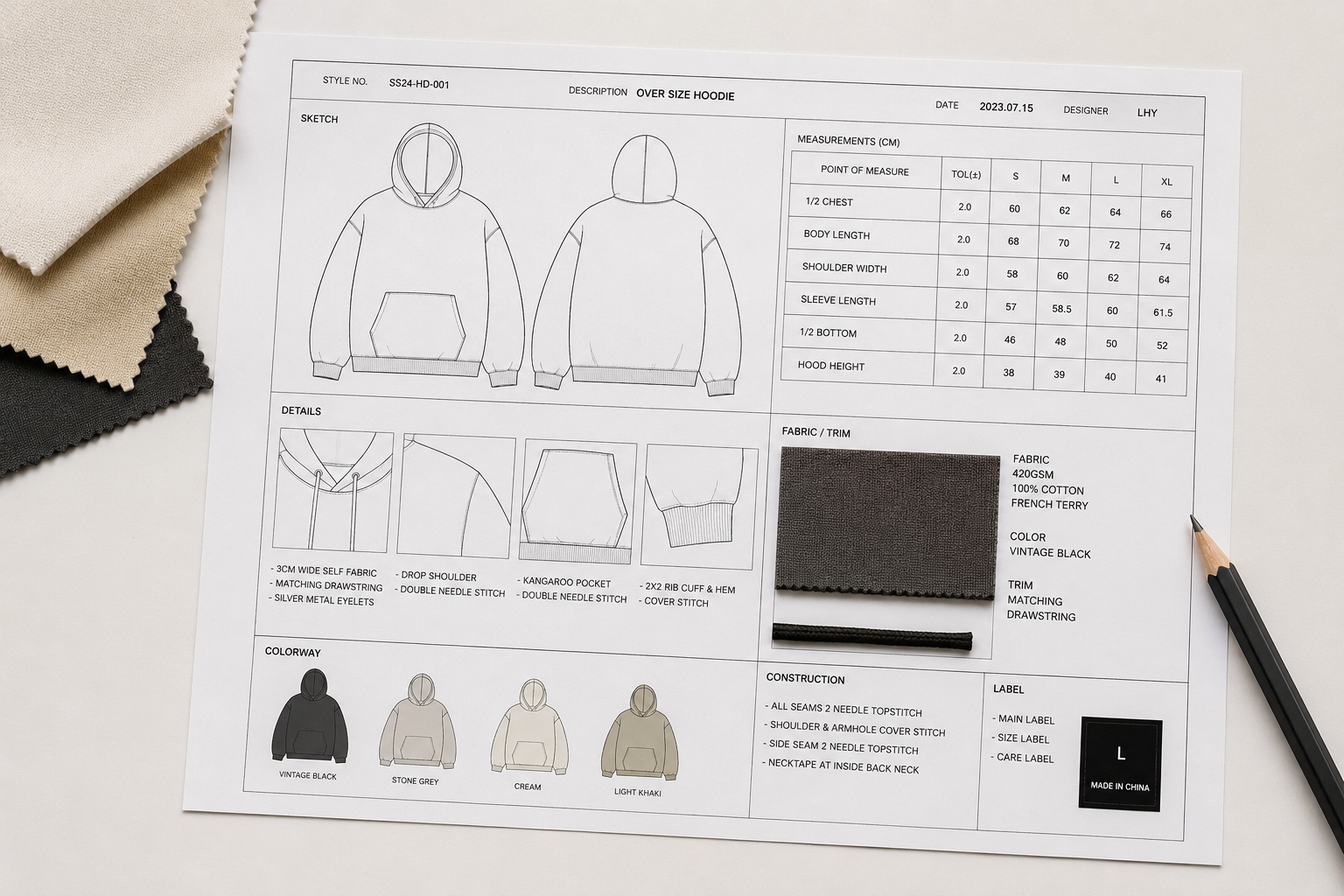
The reality is that no Chinese factory can be perfectly stopped from making something similar. But factories that have built their business on trust have strong reasons not to.
Realistic Safeguards
1. NDA Before Tech Pack Sharing
A non-disclosure agreement, signed before you share detailed designs, gives you legal recourse if the factory clearly copies your work. NDAs are enforceable in China, though enforcement requires effort. The signed document itself acts as a deterrent.
2. Trademark Registration
Register your brand name, logo, and key graphic elements as trademarks in your home market (US, UK, EU). This doesn't prevent copying, but it gives you legal grounds to act against anyone selling counterfeit products of your registered designs.
3. Choose Factories With Reputation Risk
Established factories with long-term clients have brand reputations of their own to protect. A factory that gets caught knocking off a known brand's design will lose business with other clients. Newer, anonymous factories have less to lose.
At DeCheng, our long-term streetwear clients are our biggest asset. Anything that puts those relationships at risk would cost us everything we've built. That risk asymmetry is real — and it's why working with established factories is safer.
4. Exclusivity Clauses
For custom-developed patterns (a unique fit, a proprietary construction), negotiate exclusivity. The factory agrees not to produce the same pattern for any other brand. This requires trust but it's standard practice for serious working relationships.
5. Don't Shop the Same Tech Pack Around
Sending your complete tech pack to 5 different factories for quotes is the fastest way to lose control of your design. The cheapest quote often comes from the factory that's already planning to make your design for themselves. Share preliminary info during quoting. Share full tech packs only after selecting the factory.
What Can't Be Protected
Honestly:
- General aesthetic. Oversized fits, washed colors, distressed details — these can't be owned by any brand
- Common construction. Standard hoodie construction is in the public domain
- Trend signals. Y2K influence, archive references, military aesthetics — these are cultural
Streetwear has always evolved through influence, reference, and reinterpretation. The protection you actually need is on your specific graphics, your specific patterns, and your brand identity.
How Much Does It Cost to Manufacture Streetwear in China?
Streetwear sits at a higher price point than basic apparel because every input is more expensive — heavier fabric, more complex wash, multi-technique decoration. Knowing realistic pricing helps you set margins that support brand growth.
Custom streetwear at 50-piece MOQ typically costs $18–$45 per piece (FOB China). A 400gsm hoodie with single print starts around $18–$22. A heavyweight hoodie with garment dye and multi-technique decoration runs $28–$38. Complex pieces with wash, multi-technique print, embroidery, and patches reach $40–$55. Bomber jackets in the $40–$80 range. Bulk orders bring unit cost down 20–30%.
These ranges are realistic. Quotes much lower than this usually mean lighter fabric substitution or skipped wash and finishing steps.
What Drives Streetwear Pricing
| Cost Factor | Price Impact |
|---|---|
| Fabric GSM (380gsm vs 500gsm) | $3–$6 per piece |
| Fabric type (jersey vs waffle vs bonded) | $2–$10 per piece |
| Number of wash treatments | $2–$5 per piece per wash |
| Decoration complexity | $1–$8 per piece |
| Hand-applied finishing (distressing, spray) | $2–$8 per piece |
| Premium trims (heavy zippers, custom drawcords) | $1–$3 per piece |
| Custom labels and packaging | $0.50–$1.50 per piece |
Real-World Streetwear Pricing Examples
Here's what 50-piece custom streetwear orders typically run:
| Piece | Fabric | Treatment | FOB Unit Price |
|---|---|---|---|
| Heavyweight hoodie (entry) | 400gsm French terry | Single screen print | ~$18–$22 |
| Heavyweight hoodie (mid) | 450gsm French terry | DTG + embroidery + enzyme wash | ~$25–$30 |
| Premium hoodie | 500gsm brushed fleece | Multi-print + patches + garment dye | ~$30–$38 |
| Waffle pullover | 400gsm waffle knit | Discharge print + enzyme wash | ~$22–$28 |
| Heavyweight tee | 280gsm cotton | Discharge + distressing | ~$13–$17 |
| Oversized zip jacket | 450gsm + bonded | Color blast + spray paint | ~$35–$50 |
| Bomber jacket | Nylon shell + lining | Embroidery + patches | ~$40–$65 |
| Specialty heavyweight piece | 600gsm bonded | Multi-technique | ~$45–$70 |
Why "Cheap Streetwear" Doesn't Exist
If a factory quotes you $10 for a "heavyweight washed hoodie with print," something is wrong:
- The fabric is probably 280gsm marketed as "heavyweight"
- The wash may be skipped or simulated chemically
- The decoration may be a transfer instead of real screen print
- The construction will cut corners on stitching density
Honest streetwear pricing is higher than basic apparel pricing because the inputs genuinely cost more. A factory that quotes realistically is one that intends to deliver real streetwear.
Pricing at Volume
Same piece at different order quantities:
| Quantity | Approximate Unit Price |
|---|---|
| 50 pcs | Baseline |
| 200 pcs | 12–18% lower |
| 500 pcs | 22–28% lower |
| 1,000 pcs | 28–35% lower |
For drops-based streetwear brands, the math often favors staying at smaller volumes — preserving scarcity and brand value — even if unit cost is higher.
Conclusion
A streetwear manufacturer in China should understand heavyweight fabrics, complex wash and decoration, oversized fits, tight communication cycles, and the brand-building rhythm that streetwear requires. Most factories say they make streetwear. Few actually do. If you're looking for a manufacturing partner with 20 years of streetwear experience — starting at 50 pieces with samples in 7 to 14 days, full wash and decoration capability in-house — visit www.dechoreal.com or email joe@dc-garment.cn.
References
[^1]: Chinese apparel manufacturing cluster analysis — Dongguan and Guangzhou streetwear production: https://textileexchange.org/
[^2]: OEKO-TEX Standard 100 fabric safety certification: https://www.oeko-tex.com/en/our-standards/oeko-tex-standard-100
[^3]: Streetwear industry production and brand-building references: https://www.businessoffashion.com/