You found a factory online. The samples looked great. You wired the deposit. Then bulk arrived—wrong fabric, faded prints, missed deadline. Your launch is in two weeks. Now what?
To find a reliable clothing manufacturer in China in 2026, you need to verify the factory is real (not a trading company), test their communication speed before sending money, demand a pre-production sample that matches bulk specs, and start with a small first order of 50–100 pieces to test execution.
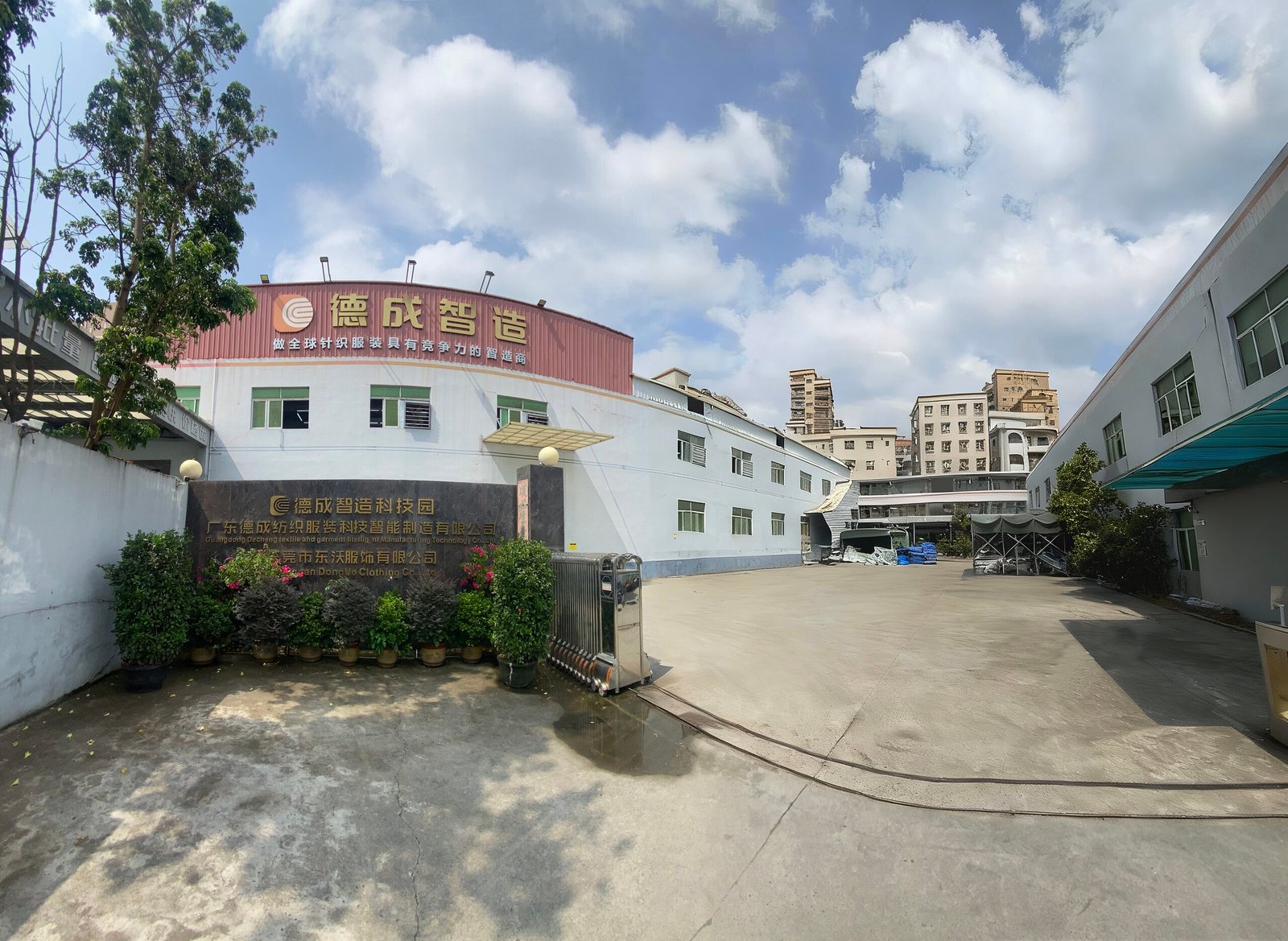
I've run a clothing factory in Dongguan for 20 years. I've also seen what happens when buyers skip these steps. Let me show you exactly how to avoid the traps that cost most new brands their first season.
[Table of contents]
Why Do So Many Brands Get Burned by Chinese Clothing Manufacturers?
Most brands lose money not because Chinese factories are bad—but because they trust the wrong signals. A polished website. A fast quote. A perfect sample. None of these prove the factory can deliver bulk.
Most brands get burned because they confuse a good sample with a good factory. Samples are made by senior workers on a clean table. Bulk runs through 200 hands across 10 stations. The two outputs are rarely the same unless the factory has strict QC built into every step.
The "Bait and Switch" Pattern I See Every Month
A buyer wires 30% deposit. Sample looks great. Bulk arrives with:
- Fabric weight dropped from 280gsm to 240gsm
- Prints faded after one wash
- Stitching uneven across sizes
- Boxes arrived two weeks late
The factory blames "raw material shortage" or "production peak." The buyer eats the loss.
Why This Keeps Happening
Three reasons most buyers fall into this trap:
| Reason | What Actually Happens |
|---|---|
| Sample made by wrong team | Senior tailors make samples. Junior workers run bulk. |
| No pre-production sample required | Buyer only sees the original sample, never the bulk version before shipping. |
| Fabric specs not locked in writing | "280gsm cotton" turns into "around 280gsm"—a 40gsm gap is normal in China. |
The fix is not finding a "better" factory. The fix is changing how you verify the factory you're already talking to.
Where Should You Actually Look for Clothing Manufacturers in China?
Most buyers start on Alibaba and stop there. That's a mistake. Each sourcing channel attracts a different type of supplier, and the wrong channel will waste months of your time.
The best sourcing mix in 2026 is: Google search for real factory websites, trade shows for face-to-face verification, and Alibaba only for price benchmarking. Avoid sourcing agents unless they let you talk to the factory directly.
The Four Main Sourcing Channels Compared
| Channel | Who You Find | Real Cost | Best For |
|---|---|---|---|
| Alibaba | 80% trading companies, 20% real factories | Low entry, high hidden cost | Price benchmarking only |
| Google search | Real factories with own websites | Medium | Direct factory contact |
| Trade shows (Canton Fair, MAGIC) | Mix of all | High (travel + time) | Final verification |
| Sourcing agents | Middlemen with markups | 8–15% commission | Brands with no time |
Why Google Often Beats Alibaba in 2026
Real factories with 20+ years of operation rarely depend on Alibaba alone. They have direct websites because they don't want to share 3% of every order with the platform. When you search " manufacturer China" on Google, you often find better-priced, more communicative suppliers than on Alibaba.
What I Tell First-Time Buyers
Use Alibaba to learn the price range. Then leave the platform. Find 5–10 real factories on Google. Email them directly. Compare response speed and answer quality. The factory that replies within 24 hours with specific questions—not generic brochures—is the one to test.
What Questions Should You Ask Before Sending Your First Inquiry?
A good inquiry filters out 70% of bad suppliers before they waste your time. Most buyers send vague messages like "Can you make hoodies? What's the price?" These get vague answers back.
The right first inquiry asks 8 specific questions: MOQ per style and color, fabric GSM tolerance, payment terms, lead time for samples and bulk, whether they own the factory, what certifications they hold, who handles QC, and if they accept video factory tours.
The 8 Questions That Separate Real Factories From Resellers
Here's the exact list I'd send if I were sourcing my own brand:
- What is your MOQ per style and per color? (Real factories give a clear number. Resellers say "flexible.")
- What is the GSM tolerance on your cotton? (Good answer: ±5gsm. Bad answer: silence or "very close.")
- Are you the factory or a trading company? (Ask for a video walk-through of the production floor.)
- What's your payment structure? (Standard: 30% deposit, 70% before shipping. Avoid 100% upfront.)
- How long for samples and bulk? (Samples: 7–14 days. Bulk: 3–4 weeks. Anything faster than this is a red flag.)
- Do you have BSCI, SEDEX, or OEKO-TEX certifications? (Ask for the certificate number, not just a "yes.")
- Who runs your QC? (In-house QC team is the only acceptable answer.)
- Can I visit by video call this week? (If they delay or refuse, walk away.)
Why These Questions Work
A trading company can't answer question #2 or #6 with specifics—they don't own the production. A real factory will reply with numbers, photos, and a date for the video tour. The quality of the reply is the test, not the price.
Want to go deeper on MOQ? I wrote a separate guide on what MOQ really means and why it matters for your brand.
How Do You Tell if a Factory Is Real or Just a Trading Company?
A trading company adds 15–30% markup and has no control over your production. They're the reason your bulk often doesn't match your sample—they're playing telephone between you and the actual factory.
Five ways to verify a real factory in 2026: request a live video tour of the production floor, check their business license registration address, ask for photos of cutting and sewing departments, verify they own their fabric warehouse, and require BSCI or SEDEX audit reports with valid dates.
The Five-Point Verification Method
1. Video Tour of the Production Floor
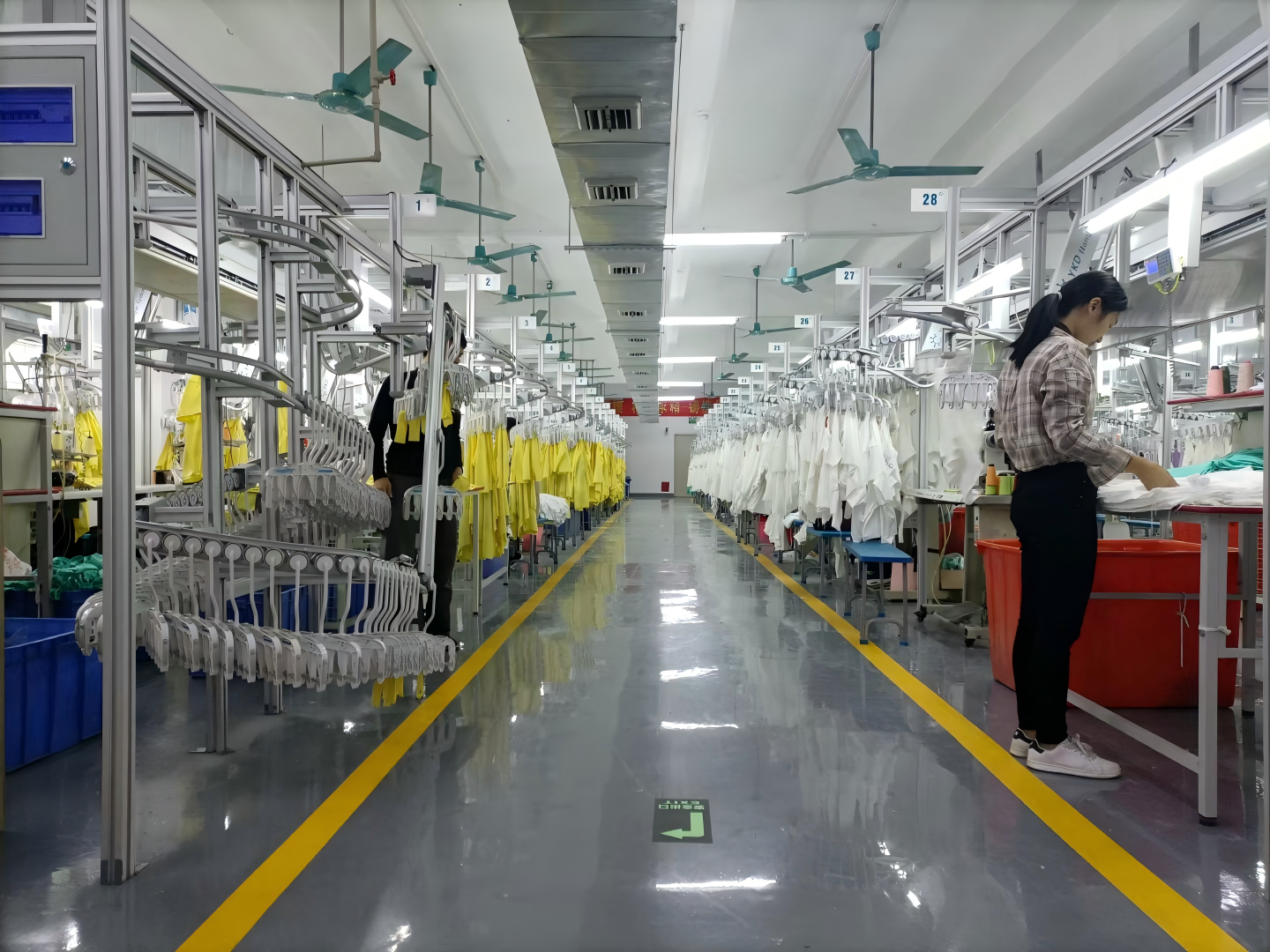
Schedule a 30-minute video call. Ask them to walk through the cutting room, sewing lines, QC station, and warehouse. Trading companies will refuse or send pre-recorded videos. A real factory will do it live.
2. Business License Address Match
Ask for their business license. The registered address should match a factory zone—not an office building in a city center. Cross-check the address on Google Maps. Real factories sit in industrial parks like Humen (Dongguan), Shaoxing, or Guangzhou Baiyun.
3. Photos of Specific Departments
Request photos of:
- Cutting and pattern center
- Sewing department with active workers
- Fabric warehouse with inventory
- Final QC station
If they send only product shots or showroom photos, they're hiding something.
4. Fabric Warehouse Ownership
Real factories own their fabric. Trading companies source on demand. Ask: "Do you have the fabric in stock or do you need to source it after my order?" A real factory will say they have base stock and source specialty fabrics per order.
5. Valid Certifications
Anyone can claim BSCI or OEKO-TEX. Ask for:
- The certificate number
- The issuing body
- The expiry date
Then verify on the issuing body's website. If they can't provide all three, the certificate is fake or expired.
What Are the Red Flags That a Manufacturer Will Disappoint You?
Some warning signs show up in the first 48 hours of conversation. If you spot two or more of these, walk away—no matter how good the price looks.
The five biggest red flags are: prices 30% below market average, refusal to do a live video tour, response times slower than 48 hours, demand for 100% payment upfront, and inability to give specific fabric GSM numbers.
The Red Flag Checklist
| Red Flag | What It Means |
|---|---|
| Price 30%+ below market | Cutting fabric quality or labor cost |
| Refuses live video tour | Likely a trading company or fake factory |
| Replies in 48–72 hours | Will be slow during production too |
| Wants 100% upfront | No accountability after payment |
| Vague fabric specs | Doesn't know or doesn't care about quality |
| No samples before bulk | Hiding execution gaps |
| Pushes you to skip QC | Quality will fail |
The Price Trap Explained
A 30% discount on a hoodie isn't a deal—it's a warning. Cotton, labor, dyeing, and shipping costs are similar across all real Chinese factories. If one quote is dramatically lower, the factory is either:
- Using lighter fabric than promised
- Skipping QC steps
- Outsourcing to a smaller, less reliable shop
- Planning to upsell you after the deposit is paid
I've seen buyers save 25% on the quote and lose 60% on returns. Real pricing is boring. Real pricing is consistent.
How Should You Handle Samples to Avoid the "Bait and Switch" Trap?
Samples are where buyers feel safest—and where most factories rig the game. The sample you approve is rarely the version that gets mass-produced. Fix this with three rules.
To avoid the sample bait-and-switch: keep one signed reference sample at your office, demand a pre-production sample from the actual bulk fabric lot, and write fabric GSM tolerance (±5gsm) into your purchase order. Without these three steps, you're trusting on faith.
The Three-Sample System That Protects You
Rule 1: Keep a Signed Reference Sample
When the first sample arrives and you approve it, sign and date the inside label. Take detailed photos. Lock it in a drawer. This becomes your reference if bulk doesn't match.
Rule 2: Demand a Pre-Production Sample (PPS)
Before bulk starts, the factory should make 1–2 pieces from the actual bulk fabric roll. Approve the PPS. Only then does bulk start. This catches 90% of fabric substitutions.
Rule 3: Write Tolerances Into the PO
Your purchase order must state:
- Fabric weight: 280gsm ±5gsm
- Color: matches Pantone XXX with Delta E ≤ 2
- Shrinkage: ≤3% after one wash
- Print durability: passes 30 wash cycles
Vague specs give factories room to cheat. Specific specs give you legal recourse.
What Good Factories Already Do
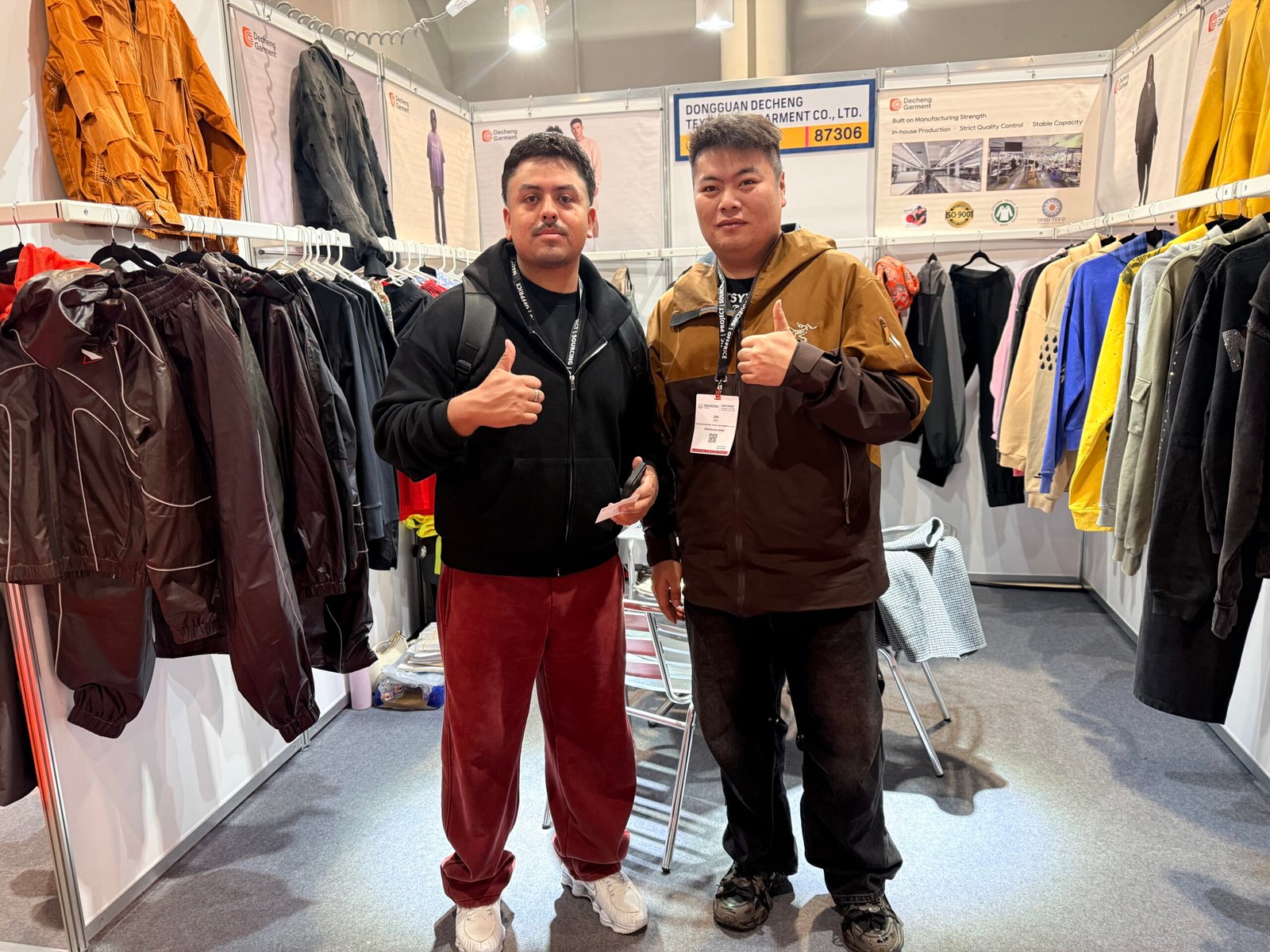
When buyers work with us, we ship samples in 7–14 days and always send a pre-production sample from the bulk lot before we cut a single panel. It's slower upfront. It saves both sides from disasters at delivery. If you want to see how this works in practice, our team at DeCheng Garment walks every new client through this process before bulk starts.
What Should Your First Order Look Like to Minimize Risk?
Your first order is not the time to bet your launch on 1,000 units of an untested factory. Test small. Test fast. Then scale.
Your first order should be 50–100 pieces per style, one or two colorways, on a product you've already validated demand for. Avoid complex custom fabrics or treatments. The goal is to test the factory's execution—not maximize your margin.
The Smart First-Order Structure
Start With What You Know Sells
If you're launching a streetwear brand, start with a hoodie or heavyweight tee. These are forgiving products. Complex jackets, technical activewear, and embellished knitwear all have higher failure rates on first orders.
Keep MOQ Low—But Real
Most decent factories require 300–500 piece MOQs. That's too risky for a first order. Look for factories that accept 50–100 piece MOQs without massive surcharges. Our minimum at DeCheng is 50 pieces per style per color for hoodies and jackets, and 100 pieces for tees and shorts—small enough to test, large enough for the factory to take seriously.
What to Order in Your First Run
| Order Type | Quantity | Why |
|---|---|---|
| Test order | 50–100 pieces | Validate factory execution |
| Pilot launch | 300–500 pieces | Test market response |
| First scale order | 1,000+ pieces | Once factory + market are both proven |
One Mistake I See Constantly
Buyers place a 50-piece test order, get good results, then jump to 5,000 units on the second order. That's still too fast. Run a 300–500 piece pilot in between. Different production scales expose different problems.
Conclusion
Finding a reliable clothing manufacturer in China is not about luck—it's about asking the right questions, verifying the factory before payment, and testing small before scaling. If you're looking for a factory that welcomes video tours, ships pre-production samples, and starts orders at 50 pieces, reach out to us at www.dechoreal.com or email joe@dc-garment.cn.