You're shopping online. You see "mesh polo" everywhere. But what does it actually mean? The term confuses many buyers.
A mesh polo is a polo shirt made from knitted fabric with an open-weave structure that creates tiny holes throughout the material. This construction allows maximum airflow and breathability, making it ideal for hot weather and active wear. Unlike traditional pique or jersey polos, mesh polos feature a lighter, more ventilated design.
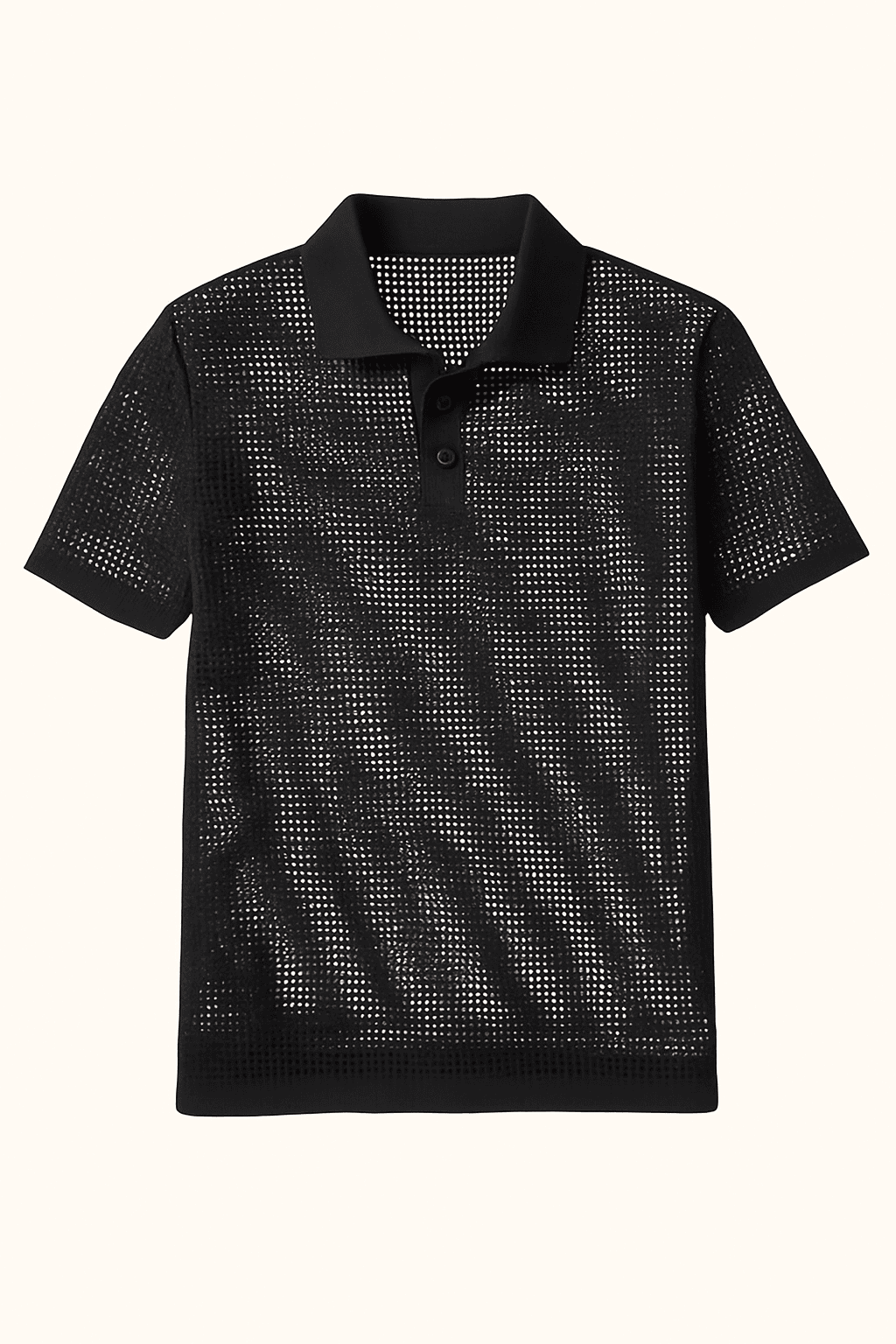
I remember my first mesh polo purchase. I ordered it thinking it was just another polo shirt. When it arrived, I held it up to the light and saw hundreds of tiny holes. My first thought? "Did I get a defective product?" Then I wore it on a humid summer day. That's when everything changed.
Table of Contents
- What Is a Mesh Polo Shirt and How Is It Different from a Regular Polo?
- What Materials Are Used in Mesh Polo Shirts?
- Why Do Athletes and Golfers Prefer Mesh Polo Shirts?
- How to Style a Mesh Polo Shirt for Casual and Business Looks?
- Where to Find the Best Mesh Polo Manufacturer or Supplier?
- Conclusion
What Is a Mesh Polo Shirt and How Is It Different from a Regular Polo?
Most people can't tell the difference by looking at photos. The confusion costs buyers time and money. You need clarity before ordering bulk quantities.
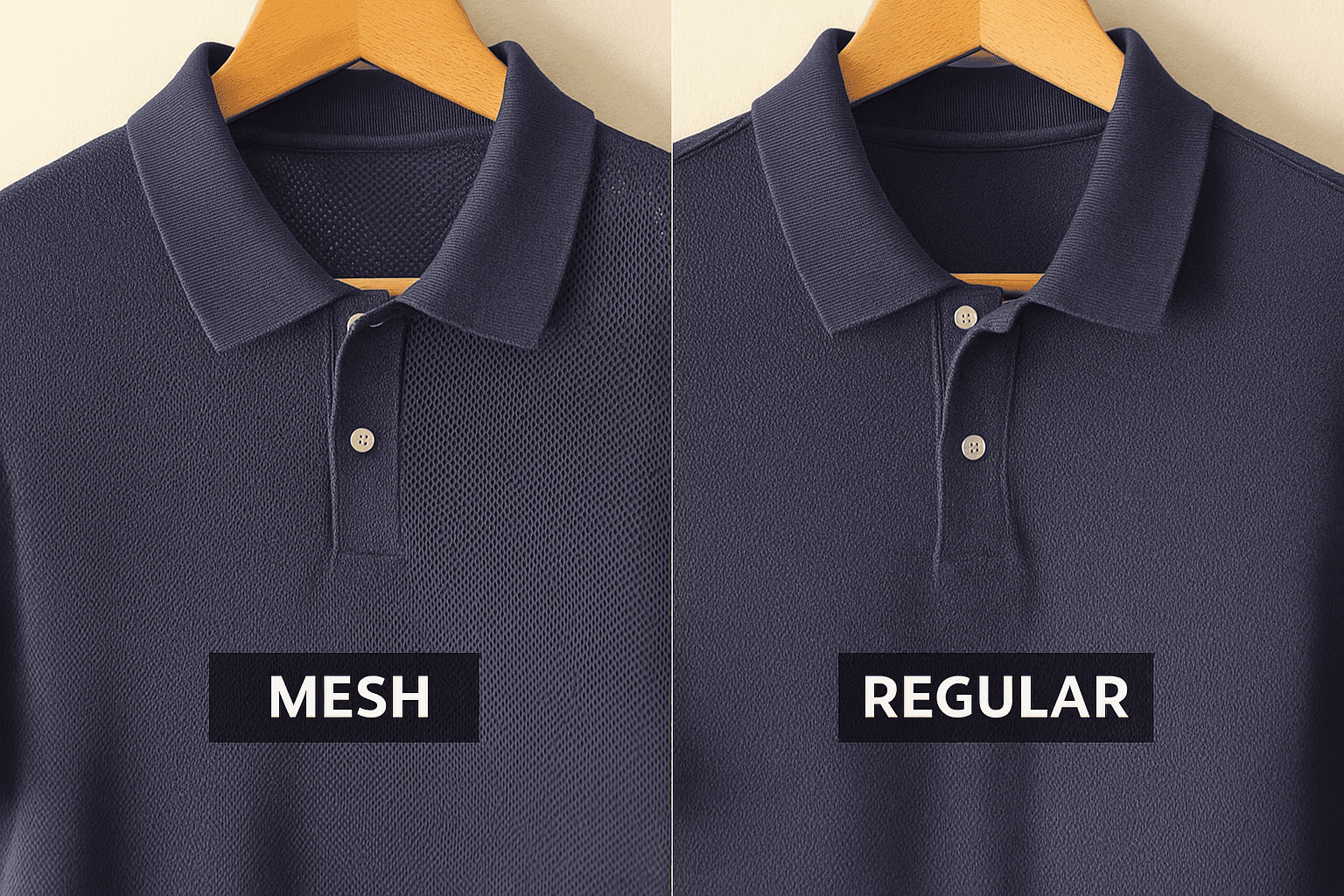
A mesh polo uses an open-knit construction with visible perforations throughout the fabric. Regular polos typically use pique knit (with a textured waffle pattern) or jersey knit (smooth and flat). Mesh polos are lighter, more breathable, and dry faster than traditional polo styles.
The Three Main Polo Fabric Types
I've worked with hundreds of apparel buyers over the years. Most struggle to understand fabric differences. Let me break it down simply.
| Fabric Type | Structure | Weight | Breathability | Best For |
|---|---|---|---|---|
| Mesh | Open-weave with holes | Lightest (120-150 GSM) | Highest | Sports, summer wear |
| Pique | Textured waffle pattern | Medium (180-220 GSM) | Moderate | Business casual, golf |
| Jersey | Smooth, flat knit | Variable (150-200 GSM) | Low to moderate | Casual wear, printing |
The mesh construction creates its signature look. You can actually see through the fabric when you hold it up. This isn't a defect. It's intentional design.
How Mesh Fabric Works
The knitting process determines everything. Mesh polos use a specific technique. The knitting machine creates loops that don't fully close. These open spaces allow air to pass through directly.
Regular pique polos have texture. You can feel the raised pattern with your fingers. But the fabric itself stays solid. Air moves around the bumps, not through the material.
Jersey polos feel smooth. They're often made from single-knit construction. This creates a tight, compact fabric. Heat gets trapped more easily.
Visual Identification Tips
I teach my clients a simple test. Hold the polo up to a light source. With mesh polos, you'll see light coming through hundreds of tiny holes. The pattern looks uniform and intentional.
Pique polos show texture but block light completely. The waffle pattern creates shadows but no transparency. Jersey polos appear completely solid with no texture or holes.
Weight and Thickness Comparison
Mesh polos feel noticeably lighter in your hands. At DECHENG, we typically produce mesh polos between 120-150 GSM (grams per square meter). Standard pique polos range from 180-220 GSM.
This weight difference matters for shipping costs. A container of mesh polos weighs significantly less than pique polos. For bulk orders, this translates to real savings.
The thickness affects durability perceptions too. Some buyers worry that lighter fabric means lower quality. This isn't true. Mesh polos can last just as long when constructed properly. The key lies in the yarn quality and knitting precision, as noted by textile experts at Cotton Incorporated.
What Materials Are Used in Mesh Polo Shirts?
Your material choice determines everything. It affects comfort, durability, and your profit margins. Wrong material selection kills repeat orders.
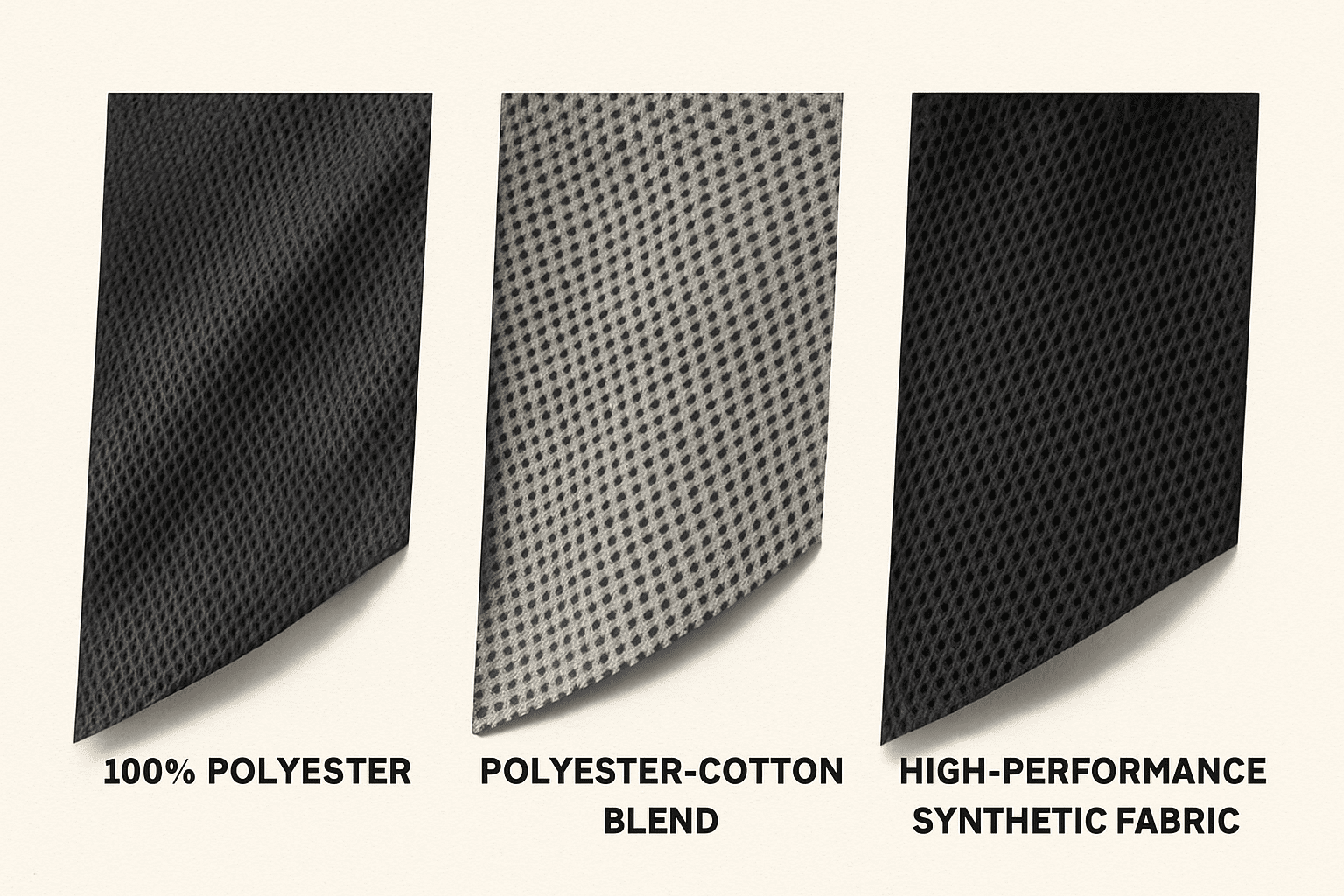
Mesh polo shirts are commonly made from 100% polyester, polyester-cotton blends, or performance synthetic fabrics. Polyester offers excellent moisture-wicking and quick-drying properties. Cotton blends add softness and breathability. High-performance mesh uses specialized synthetic fibers for enhanced athletic performance.
Pure Polyester Mesh
I source polyester mesh polos for athletic brands regularly. The material offers specific advantages. It dries incredibly fast. Moisture doesn't absorb into the fibers. Instead, it spreads across the surface and evaporates.
Polyester mesh resists shrinking. This matters for consistency across production batches. Your size small stays size small after multiple washes. Color retention performs better too. Bright colors stay vibrant longer than cotton alternatives.
The drawbacks exist though. Pure polyester feels synthetic against skin. Some customers complain about the plastic-like texture. It also retains odors more readily than natural fibers. This becomes noticeable after extended wear during exercise.
Cotton-Polyester Blend Mesh
Blended mesh balances different needs. Common ratios include 65% polyester / 35% cotton or 50/50 splits. The polyester provides durability and shape retention. Cotton adds natural softness and breathability.
These blends feel more comfortable for all-day wear. The cotton fibers absorb some moisture. This prevents that clammy feeling pure synthetics can create. But you sacrifice some quick-dry performance.
Performance Synthetic Mesh
High-end athletic brands use advanced synthetic materials. These include fabrics like moisture-wicking polyester blends and specialized athletic meshes. The fabrics incorporate additional technologies.
| Material Type | Composition | Key Benefits | Price Point | Best Applications |
|---|---|---|---|---|
| Pure Polyester | 100% PES | Fast-drying, durable, colorfast | Low | Sportswear, uniforms |
| Poly-Cotton Blend | 65/35 or 50/50 | Soft, breathable, versatile | Medium | Casual wear, retail |
| Performance Synthetic | Advanced PES/Nylon | Moisture-wicking, anti-odor, UV protection | High | Premium athletic wear |
| Bamboo Blend | Bamboo/PES mix | Eco-friendly, soft, antibacterial | Medium-High | Sustainable fashion |
Yarn Quality Matters More Than Material Type
I've seen cheap polyester mesh fall apart after five washes. I've also seen premium polyester mesh last for years. The difference isn't the material itself. It's the yarn quality and knitting precision.
Cheap yarn uses shorter fibers twisted together loosely. These fibers pull apart easily. The fabric pills and develops holes quickly. Premium yarn uses longer fibers spun tightly. The resulting fabric maintains its structure through hundreds of wash cycles.
At DECHENG, we test yarn strength before production begins. We pull samples until they break. This tensile strength measurement predicts durability. We only approve yarns that meet minimum strength requirements.
Environmental Considerations
Sustainability concerns are growing among buyers. Traditional polyester comes from petroleum. This creates environmental issues during production and disposal.
Recycled polyester mesh offers an alternative. The material comes from post-consumer plastic bottles or textile waste. Performance matches virgin polyester but with lower environmental impact. The cost typically runs 10-15% higher than conventional polyester.
Some manufacturers now offer biodegradable synthetic mesh. These materials break down faster than traditional polyester. But performance and durability trade-offs exist. The technology is still developing.
Why Do Athletes and Golfers Prefer Mesh Polo Shirts?
Walk into any golf course pro shop. You'll see mesh polos everywhere. This isn't random. Athletes choose mesh for specific performance reasons.
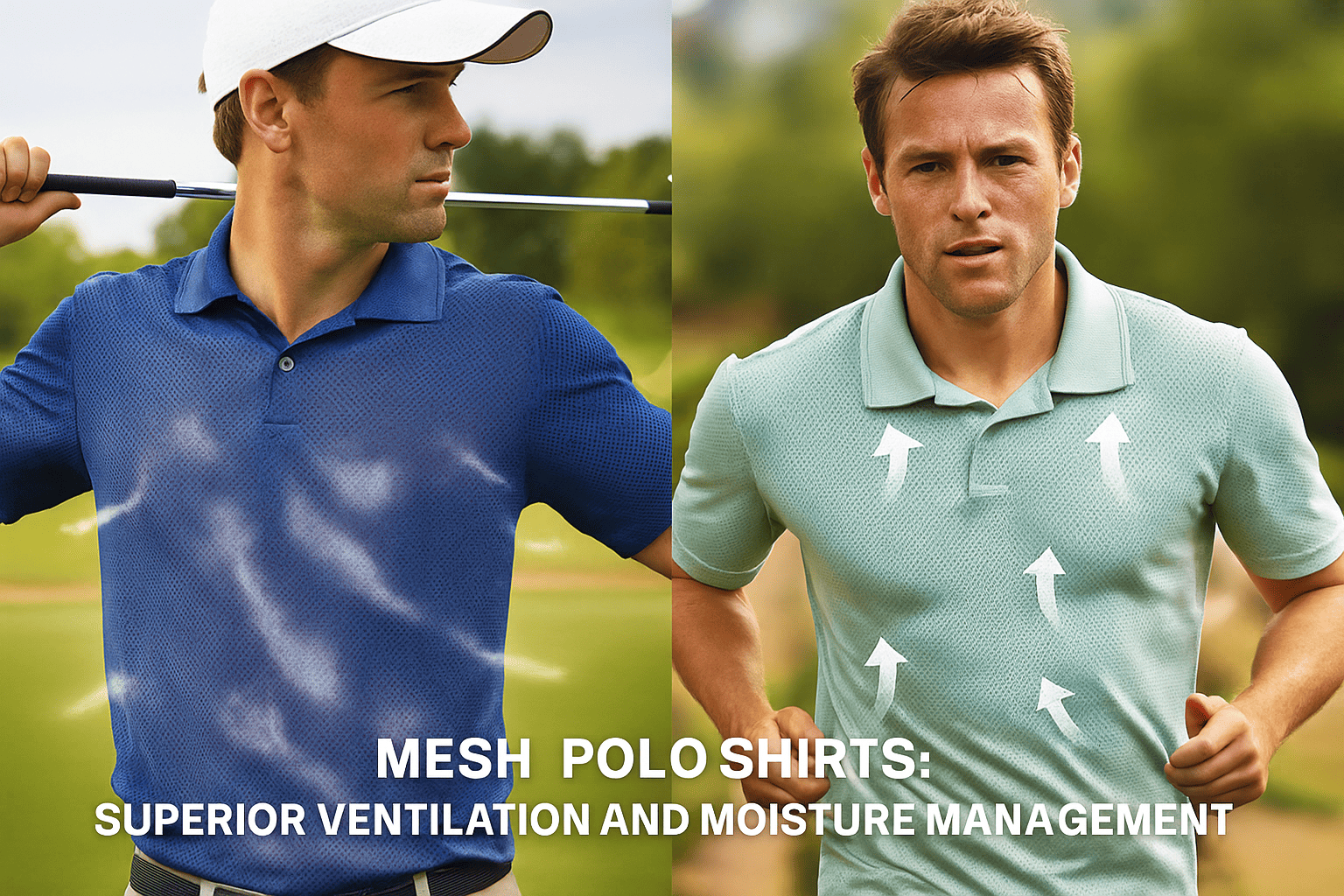
Athletes and golfers prefer mesh polo shirts because the open-weave construction provides superior ventilation and moisture management. The fabric allows air to flow directly through, cooling the body during physical activity. Mesh polos also dry quickly, preventing that uncomfortable wet feeling during extended outdoor activities.
Temperature Regulation During Activity
Body temperature rises during exercise. Your body sweats to cool down. Regular polo fabrics trap this heat against your skin. Mesh fabric behaves differently.
The holes in mesh fabric create air channels. When you move, air flows through these channels. This creates a natural cooling effect. I've measured temperature differences using thermal cameras. Mesh polos can keep skin 3-5 degrees cooler than pique polos during the same activity.
Moisture-Wicking Performance
Sweat management separates good athletic wear from great athletic wear. Mesh polos excel here. The open structure provides more surface area for evaporation. Moisture spreads quickly across the fabric then evaporates into the air.
Traditional polos absorb moisture into the fibers. This creates wet spots that stick to your skin. The fabric becomes heavy. It takes longer to dry. According to research from the Textile Research Journal, mesh structures can improve drying time by up to 40% compared to solid knits.
Movement and Flexibility
Golf swings require a full range of motion. Tight clothing restricts movement. Mesh fabric construction provides natural stretch without adding elastic fibers.
The open-weave structure flexes easily. It moves with your body rather than against it. This reduces pulling and binding during athletic movements. Players report feeling less restricted in mesh polos compared to traditional styles.
Weight Reduction Benefits
Every ounce matters during long rounds of golf or tennis matches. Mesh polos weigh significantly less than regular polos. This reduces fatigue over time.
| Performance Factor | Mesh Polo | Regular Pique Polo | Performance Advantage |
|---|---|---|---|
| Drying Time | 15-20 minutes | 40-60 minutes | 60% faster |
| Air Permeability | 300-400 mm/s | 80-120 mm/s | 3x more breathable |
| Weight (Size M) | 120-140g | 180-220g | 30% lighter |
| Body Temperature Reduction | 3-5°F cooler | Baseline | Measurable cooling |
Professional Athlete Endorsements
Professional golf tours showcase mesh polo technology. Players in hot climates choose mesh styles consistently. This visibility influences amateur golfers and recreational athletes.
The performance benefits translate directly to comfort. Comfortable athletes perform better. They stay focused longer. They don't get distracted by overheating or wet fabric clinging to their skin.
All-Day Comfort in Hot Climates
I've received feedback from buyers in Southeast Asia and the Middle East. Mesh polos are essential in these markets. Temperatures regularly exceed 95°F with high humidity. Regular polos become unbearable after 30 minutes outdoors.
Mesh polos remain comfortable throughout the day. The constant airflow prevents heat buildup. Sweat evaporates before it soaks through the fabric. This makes mesh polos practical for outdoor work environments too, not just sports.
How to Style a Mesh Polo Shirt for Casual and Business Looks?
Many buyers assume mesh polos only work for sports. This limits their market potential. Mesh polos adapt to multiple style contexts with the right approach.
Style mesh polos casually with chinos or jeans and sneakers for a relaxed weekend look. For business casual settings, choose solid colors or subtle patterns, pair with dress pants and loafers, and ensure the fit is tailored. Avoid wearing mesh polos to formal business meetings where traditional dress codes apply.
Casual Weekend Styling
Mesh polos work perfectly for casual outings. The key is treating them like any other polo shirt. I pair mine with dark jeans and white sneakers. This creates a clean, modern look.
Color choice matters for casual wear. Bright colors and bold patterns signal casual intent. Navy, bright blue, red, or even patterned mesh polos work well. These clearly communicate that you're not trying to look professional.
Shorts pair naturally with mesh polos during summer. The lightweight fabric complements the casual nature of shorts. Add boat shoes or canvas sneakers. This creates a cohesive warm-weather outfit.
Smart Casual Applications
Smart casual represents the sweet spot for mesh polos. This dress code appears at country clubs, casual Fridays, and social gatherings. Mesh polos fit perfectly when styled correctly.
Stick with solid colors for smart casual looks. Black, navy, charcoal, or burgundy project sophistication. Avoid bright colors or loud patterns. These read too casual for semi-professional settings.
Pair with chinos or dress pants. The contrast between casual top and dressier bottom creates balance. Add leather loafers or dress sneakers. This elevates the overall look beyond pure casualwear, similar to styling advice found at GQ Magazine.
Business Casual Boundaries
Business casual with mesh polos requires careful consideration. The fabric's athletic associations can work against you. But proper execution makes it possible.
| Setting | Appropriate? | Styling Guidelines |
|---|---|---|
| Casual Friday Office | Yes | Solid colors, dress pants, leather shoes |
| Client Meeting | Depends | Conservative industries: No. Creative industries: Maybe |
| Outdoor Business Event | Yes | Perfect for golf outings, summer networking events |
| Traditional Office | No | Stick with pique polos or dress shirts |
Fit Considerations
Fit determines whether mesh polos look intentional or sloppy. The fabric's lightweight nature makes poor fit more obvious. Proper fit creates polish.
The shoulder seam should sit right at your shoulder edge. Too wide makes the shirt look baggy. Too narrow restricts movement. The sleeve should end mid-bicep. This creates a balanced proportion.
Body fit should skim your torso without clinging. Mesh fabric already has texture and visual interest. A slim fit looks modern. An oversized fit looks dated and unprofessional.
Color and Pattern Selection
Solid colors offer maximum versatility. They work across casual and business casual contexts. I recommend building a foundation of solid mesh polos before adding patterns.
Subtle patterns can work for casual wear. Thin stripes or small geometric patterns add visual interest without overwhelming. Avoid large logos or graphics for adult styling. These read juvenile and limit where you can wear the shirt.
Darker colors project maturity and sophistication. Lighter colors feel more casual and seasonal. Black, navy, and charcoal mesh polos stretch furthest across different occasions. Save bright colors for purely casual settings.
Seasonal Considerations
Mesh polos naturally suit warm weather. The breathable fabric makes sense from spring through early fall. Wearing mesh polos in winter looks out of season.
Layer mesh polos under blazers or casual jackets for transitional weather. This extends their usefulness beyond pure summer wear. The lightweight fabric doesn't add bulk under layers.
Where to Find the Best Mesh Polo Manufacturer or Supplier?
Finding reliable manufacturers determines your business success. Poor supplier choices create endless problems. Quality manufacturers become long-term partners.
The best mesh polo manufacturers typically operate in China, Vietnam, and Bangladesh, offering both OEM and ODM services. Look for suppliers with proven experience in polo shirt production, minimum order quantities that match your needs, quality certifications like ISO or WRAP, and clear communication about customization options. B2B platforms like Alibaba and trade shows provide direct access to vetted manufacturers.
Key Qualifications to Verify
I've vetted hundreds of apparel manufacturers over the years. Certain qualifications separate reliable suppliers from problematic ones. Start with production capacity verification.
Ask about their daily production volume. Request photos of their actual production floor. Many suppliers exaggerate their capabilities. Real factories will gladly show you their facilities. At DECHENG, we operate 10 production lines. This allows us to handle bulk orders efficiently while maintaining quality standards.
Quality certifications matter significantly. ISO 9001 certification demonstrates systematic quality management. WRAP certification shows ethical labor practices. Oeko-Tex certification confirms fabric safety standards. These certifications cost money to maintain. They signal serious commitment to quality.
Minimum Order Quantities (MOQ)
MOQ requirements vary dramatically between manufacturers. Understanding these requirements prevents wasted time. Small suppliers might accept 100-piece orders. Large factories often require 1000+ pieces per style and color.
Lower MOQs offer flexibility for testing markets. Higher MOQs reduce per-unit costs significantly. Calculate your actual needs before contacting suppliers. This ensures you target manufacturers who can serve your scale.
| Supplier Type | Typical MOQ | Price Range | Best For |
|---|---|---|---|
| Small Factory | 100-300 pieces | Higher per unit | Startups, market testing |
| Medium Factory | 500-1000 pieces | Moderate | Established small businesses |
| Large Factory | 1000-5000 pieces | Lower per unit | Brands with proven demand |
| Trading Company | Varies | Usually higher | Buyers wanting multiple products |
Customization Capabilities
Standard mesh polos serve some needs. But customization creates differentiation. Verify what customization options each manufacturer offers.
Logo placement and embroidery quality varies significantly. Request samples before committing to large orders. Check stitch density and thread quality. Poor embroidery looks cheap and damages your brand image.
Fabric selection flexibility matters too. Some manufacturers only offer their standard mesh fabric. Others let you choose from multiple fabric weights and compositions. This flexibility becomes crucial as your brand evolves.
Communication and Responsiveness
Communication problems sink supplier relationships. Test responsiveness during initial inquiries. How quickly do they respond to emails? Do they answer questions directly or provide vague responses?
Language barriers create challenges with overseas manufacturers. Look for suppliers with English-speaking sales teams. This prevents misunderstandings about specifications and requirements. At DECHENG, our sales team communicates clearly about customizations, timelines, and quality standards.
Request video calls to discuss complex orders. Seeing the factory and talking face-to-face builds trust. It also reveals professionalism levels quickly.
Pricing Structure Transparency
Hidden costs destroy profitability. Transparent suppliers provide detailed quotes upfront. This includes unit prices, customization fees, shipping costs, and payment terms.
Watch for price changes after negotiations conclude. Some suppliers quote low initially then add fees later. Establish all costs in writing before production begins. This protects both parties.
Payment terms indicate supplier stability. Established manufacturers typically require 30-50% deposits with balance due before shipping. Be cautious of suppliers demanding full payment upfront unless you've verified their legitimacy thoroughly.
Sample Evaluation Process
Never skip sample evaluation. Physical samples reveal quality issues that photos cannot show. Order samples from multiple suppliers to compare directly.
Examine fabric quality closely. Check for consistent mesh patterns. Look for loose threads or poor finishing. Test the fabric's stretch and recovery. Quality mesh should return to its original shape after stretching.
Evaluate construction details. Check collar construction and button quality. Examine seam strength by pulling firmly on stress points. These details indicate overall manufacturing standards, as recommended by procurement experts at Sourcing Journal.
Finding Manufacturers Through Different Channels
Multiple channels connect buyers with manufacturers. Each channel offers different advantages. B2B platforms like Alibaba provide massive supplier databases. You can filter by location, MOQ, and certifications. But quality varies dramatically. Verification becomes your responsibility.
Trade shows offer direct manufacturer access. You can examine samples in person and build relationships face-to-face. Major shows include the Canton Fair in China and Magic in Las Vegas. These shows require travel investment but yield better supplier connections.
Industry referrals often produce the best results. Ask existing manufacturers for recommendations. Join industry groups where members share supplier experiences. These vetted recommendations reduce risk significantly.
Red Flags to Avoid
Some warning signs indicate problematic suppliers. Extremely low prices compared to market rates suggest quality compromises. If pricing seems too good to be true, it probably is.
Reluctance to provide factory tours or video calls raises concerns. Legitimate manufacturers welcome transparency. Pressure tactics or urgent deadlines from suppliers indicate desperation or dishonesty.
Lack of existing client references should concern you. Established manufacturers have happy clients willing to provide references. If a supplier can't provide any references, proceed cautiously.
Conclusion
Mesh polos offer superior breathability and performance through their open-weave construction. Understanding materials, styling options, and reliable sourcing strategies helps you make informed decisions.