Finding the right custom clothing manufacturers can determine whether your apparel brand thrives or struggles. From private label startups to established fashion businesses, choosing the right factory partner means better quality, smoother production, and scalable growth.
In this guide, we’ll explore how to find, evaluate, and work with custom clothing manufacturers to ensure your brand succeeds.
Table of Contents
- What Are Custom Clothing Manufacturers?
- Why Work With a Custom Clothing Manufacturer?
- Where to Find the Best Custom Clothing Manufacturers
- How to Choose a Reliable Manufacturer
- Top Regions for Custom Clothing Manufacturers in 2025
- Cost Breakdown When Working With Custom Clothing Manufacturers
- Common Mistakes Beginners Make
- Local vs Overseas Custom Clothing Manufacturers
- Protecting Yourself With a New Factory
- Conclusion
What Are Custom Clothing Manufacturers?
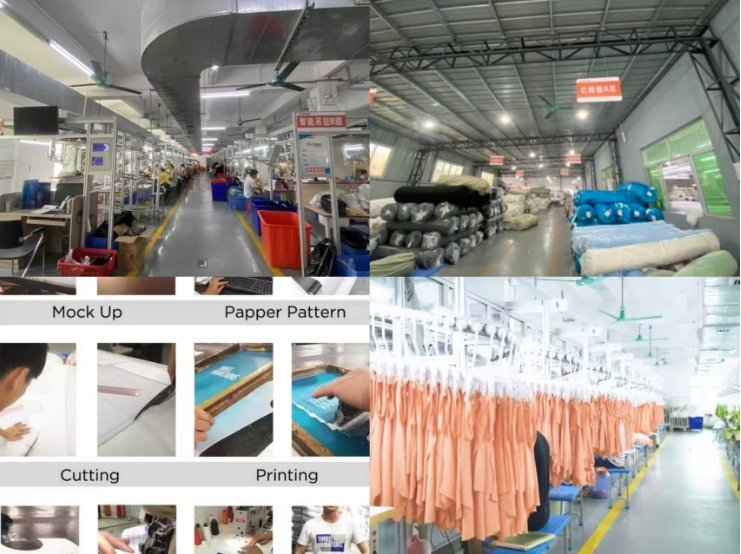
Custom clothing manufacturers are factories that allow brands to design and produce garments tailored to their specifications. Unlike bulk or white-label suppliers, they support customization such as:
- Fabric choice (cotton, polyester, blends, performance fabrics)
- Colors and dyeing methods
- Logo application (printing, embroidery, patches, heat transfer)
- Custom trims like zippers, buttons, and labels
- Flexible sizing and patterns (OEM & ODM services)
This flexibility helps brands stand out in a crowded market.
Why Work With a Custom Clothing Manufacturer?
Working with custom clothing manufacturers gives you control over your brand identity and margins. Key benefits include:
- Brand Differentiation: Unique products that reflect your vision.
- Higher Profit Margins: Private label apparel commands stronger pricing.
- Scalability: Once designs are approved, factories can handle large runs.
- Customer Loyalty: Custom fits and consistent quality keep buyers returning.
Where to Find the Best Custom Clothing Manufacturers
Finding reliable suppliers can feel overwhelming. Here are proven channels to discover custom clothing manufacturers:
| Source | Advantages | Disadvantages |
|---|---|---|
| Alibaba / B2B Sites | Wide variety, trade assurance, reviews | Risk of low-quality or copycats |
| Trade Shows | Face-to-face meetings, real samples | Travel costs, time commitment |
| LinkedIn & Google | Direct access to verified factories | Time-consuming research |
| Sourcing Agents | Industry expertise, pre-vetted partners | Additional cost, reliability varies |
| Referrals | Trusted recommendations | Limited options |
How to Choose a Reliable Manufacturer
Not all custom clothing manufacturers deliver the same quality. Before committing, ask these essential questions:
- What’s your MOQ (Minimum Order Quantity)?
- Can you provide recent client references?
- Do you have certifications (ISO, OEKO-TEX)?
- What’s your sample policy (cost, lead time)?
- How do you manage quality control?
- Do you support OEM/ODM services?
✅ Tip: Always request a sample order before bulk production to verify quality.
Top Regions for Custom Clothing Manufacturers in 2025
When searching for custom clothing manufacturers, location matters. Different countries offer different strengths:
| Country / Region | Strengths | Challenges |
|---|---|---|
| China | Wide variety, advanced technology, flexible MOQ | Need clear communication |
| Vietnam | Competitive pricing, growing apparel industry | Smaller supplier base |
| Bangladesh | Large-scale production, low labor cost | Higher MOQs, limited customization |
| Turkey & Portugal | Strong in fashion-forward items, EU proximity | Higher costs |
| USA & UK | Faster shipping, easier communication | Very high production costs |
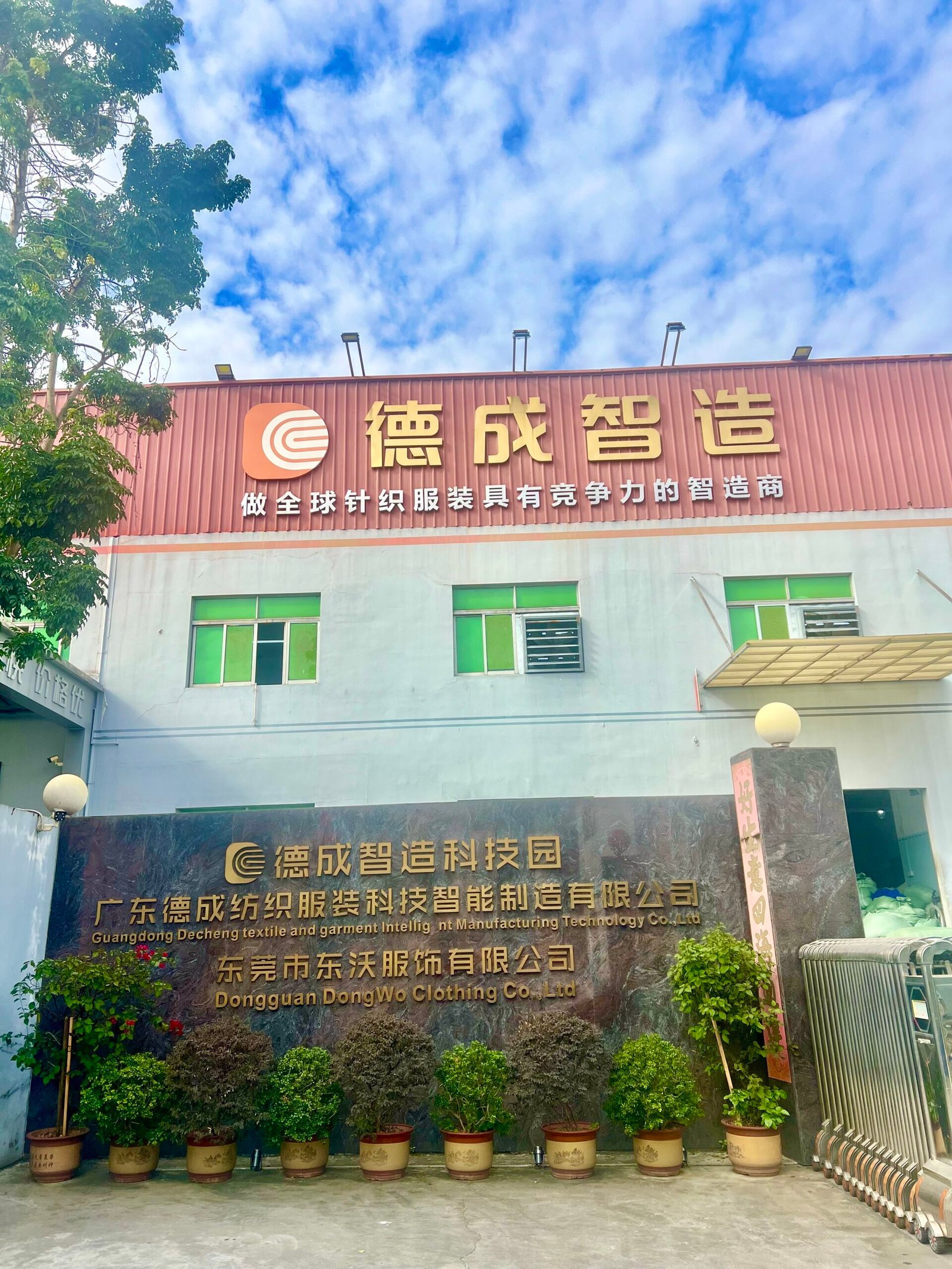
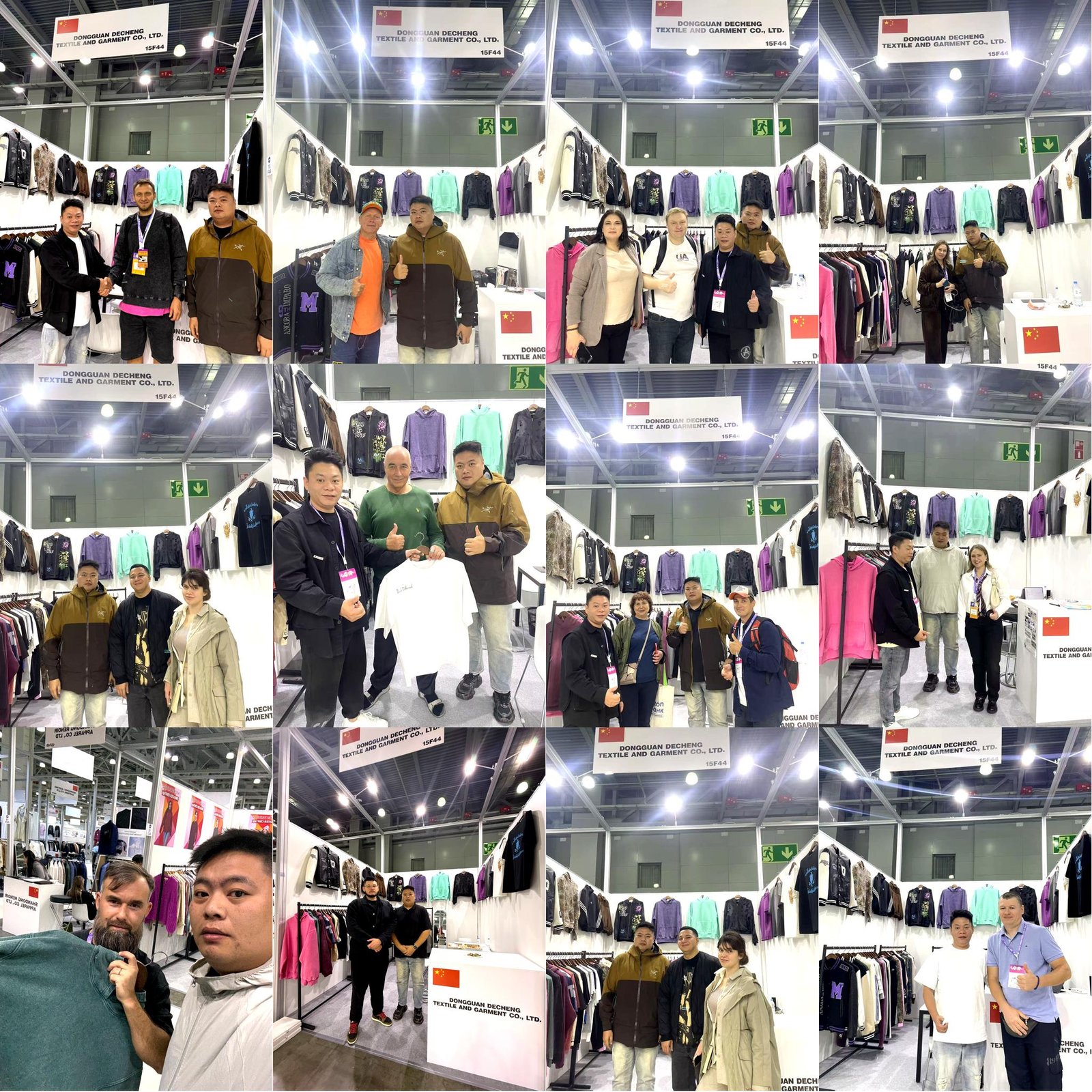
👉 For example, in China, factories like Dongguan De Cheng Textile & Garment Co., Ltd. provide OEM & ODM services, custom fabrics, and branding support — making it one of the most reliable destinations for startups and established brands alike.
Cost Breakdown When Working With Custom Clothing Manufacturers
Before you place your first order, it’s essential to understand how costs are structured:
- Fabric & Materials (40–50%) – Cotton, polyester, or blends. Heavier GSM fabrics cost more.
- Labor (20–30%) – Depends on country and order volume.
- Customization (10–20%) – Logo, embroidery, printing, zippers, private labels.
- Logistics (10–15%) – Shipping, packaging, customs fees.
💡 Example: At De Cheng Garment, a sample hoodie may cost around $50 (including fabric + basic embroidery), while bulk production reduces per-piece cost significantly due to economies of scale.
Common Mistakes Beginners Make
Many startups fail not because of bad products, but because of avoidable mistakes. Here are the top ones:
- Skipping Samples – Always test quality before large production.
- Ignoring MOQ – Different factories have different minimums; clarify early.
- Unclear Tech Packs – Precise details prevent misunderstandings.
- Poor Communication – Misaligned timelines or expectations cause delays.
- No Quality Control – Always request inspection before shipping.
✅ Pro Tip: Partner with manufacturers that provide transparent communication. For instance, De Cheng offers video factory tours, detailed sample approvals, and clear production timelines — helping brands avoid costly errors.
Local vs Overseas Custom Clothing Manufacturers
Choosing between a domestic or overseas partner depends on your priorities.
| Factor | Local Manufacturer | Overseas Manufacturer (China, Vietnam, Bangladesh) |
|---|---|---|
| Cost | High | Competitive, lower labor costs |
| Customization | Limited | Extensive, wide fabric & design options |
| Lead Time | Faster (no long shipping) | Slower (shipping adds weeks) |
| MOQ | Low | Medium (100–500 pcs per style) |
| Communication | Easier, same language | Needs patience and clear documentation |
Factories like De Cheng Textile & Garment balance overseas pricing with clear communication. Their team responds quickly to tech pack revisions and coordinates custom packaging without hidden fees.
Protecting Yourself With a New Factory
The #1 fear in sourcing? Losing money to poor quality or ghosted payments.
To protect yourself, start with small sample orders, sign clear contracts (with penalties), and use secure payment methods like Alibaba Trade Assurance or escrow services.
My Process for Working With a New Manufacturer
- Sample First – Ask for production-grade samples, not showroom ones.
- Agreement in Writing – Cover quality, deadlines, and penalties.
- Secure Payments – Use escrow or trusted platforms.
- Pre-Shipment Inspection – Hire a third-party QC team or request factory videos.
- Start Small – Scale orders once trust is built.
Conclusion
The right custom clothing manufacturers are not just suppliers — they’re long-term partners for your brand’s success.
- Start by exploring trusted regions like China, Vietnam, or Portugal.
- Understand the true cost breakdown of fabric, labor, and customization.
- Avoid common pitfalls by working with experienced factories.
Whether you’re launching a streetwear label, activewear line, or uniforms, the right partner can scale with you.
👉 If you’re looking for a manufacturer that combines 10+ years of experience, OEM/ODM services, and global export success, Dongguan De Cheng Textile & Garment Co., Ltd. could be the right fit for your brand.