Finding the right manufacturer can make or break your clothing brand. But most beginners don’t know where to start or what questions to ask.
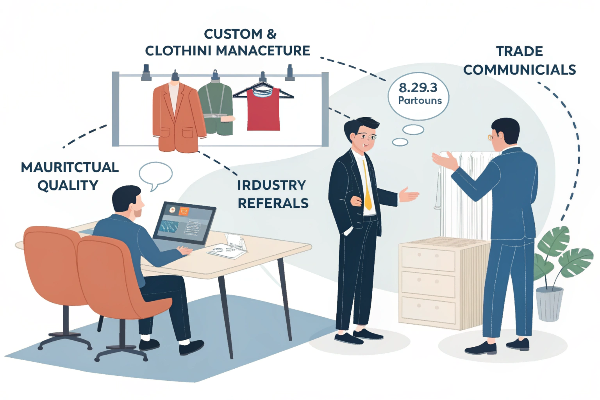
You can find a custom clothing manufacturer through B2B platforms, industry referrals, and trade shows — but the key is vetting them for quality, capacity, and communication.
I still remember struggling with inconsistent quality, poor fit, and delayed shipping from early suppliers. Everything changed when I figured out how to identify the right manufacturing partner.
Where Should I Start Looking for Custom Clothing Manufacturers?
With so many options, the real question isn’t where to look — it’s who to trust.
The best places to find reliable custom clothing manufacturers are Alibaba, global trade shows, LinkedIn, sourcing agents, and Google Business listings of factories in China, Vietnam, or Bangladesh.
Comparing the Top Sourcing Channels
| Source | Pros | Cons |
|---|---|---|
| Alibaba | Wide variety, reviews, samples | Risk of scams, price-focused factories |
| Google/LinkedIn | Direct contact, more control | Time-consuming research |
| Trade Shows | Real samples, face-to-face negotiation | Travel required |
| Sourcing Agents | Save time, industry insights | Extra cost, reliability varies |
| Referrals | Trusted, pre-vetted | Limited options |
Personally, I connected with DECHENG, a factory based in Dongguan, at an industry event. Their ability to offer both OEM and ODM services for activewear and uniforms stood out from day one.
How Do I Know If a Clothing Manufacturer Is Trustworthy?
Looking at glossy factory pictures won’t help. Ask the hard questions and look for proof.
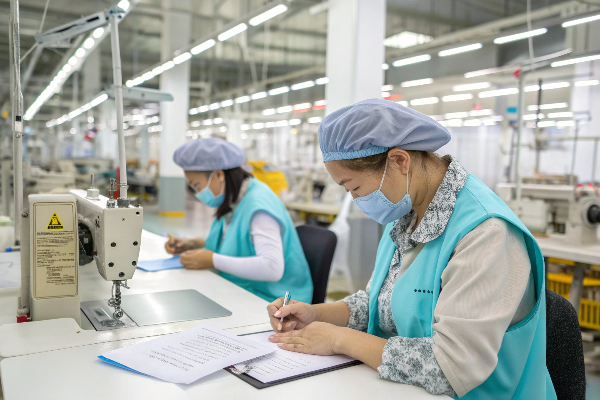
A trustworthy manufacturer has certifications, clear pricing, sample policies, quality checks, and consistent communication. Ask for references, factory videos, and exact timelines before signing.
What I Always Ask Before Placing an Order
- Do you have ISO or OEKO-TEX certification?
- Can you share recent client references?
- What’s your MOQ (Minimum Order Quantity)?
- Do you allow video calls or virtual tours of your factory?
- What’s your sample lead time and cost?
- What are your payment terms?
- How do you handle delays or defects?
At DECHENG, for example, they walked me through their 10-line production setup via video call and even showed how their team manages quality control for custom yoga wear. That transparency won my trust.
What Makes a Factory “Custom” and Not Just “Bulk”?
Not every factory can handle custom styles. Many are just bulk resellers.
A true custom clothing manufacturer allows you to control patterns, fabrics, colors, sizes, and logo placements. They offer OEM/ODM services, not just readymade items.
Spotting the Difference Between Real Customization and White-Label
| Feature | Bulk Factory | Custom Factory (OEM/ODM) |
|---|---|---|
| Product Options | Limited to catalog | Fully customizable designs |
| Fabric Choices | Fixed | You choose materials |
| Logo & Branding | Usually not included | Integrated branding options |
| Pattern/Tech Pack Support | No | Often included or supported |
| MOQ | Usually high (5K+) | Flexible (100–1000 units) |
At DECHENG, I was able to provide my own tech pack, choose fabric from over 200 options, and request rare finishes — something bulk suppliers wouldn’t even entertain.
Should I Work With a Local or Overseas Clothing Manufacturer?
Everyone wants to “buy local” — until they compare prices and capabilities.
Overseas manufacturers, especially in Asia, offer better pricing, scalable production, and broader customization. Local factories provide speed but rarely compete on cost or flexibility.
Local vs Overseas Manufacturing: Key Differences
| Factor | Local Manufacturer | Overseas Manufacturer |
|---|---|---|
| Cost | High | Low to medium |
| MOQs | Low | Medium |
| Production Speed | Faster | Slower (shipping time) |
| Customization | Limited | Extensive |
| Quality Variety | Narrow | Wide |
| Communication | Easier (same language) | Needs patience + clarity |
Factories like DECHENG balance overseas pricing with clear communication. Their team responded to my tech pack revisions within 24 hours and even coordinated custom packaging without extra fees.
How Do I Protect Myself When Working With a New Clothing Factory?
The #1 fear in sourcing? Losing money to poor quality or ghosted payments.
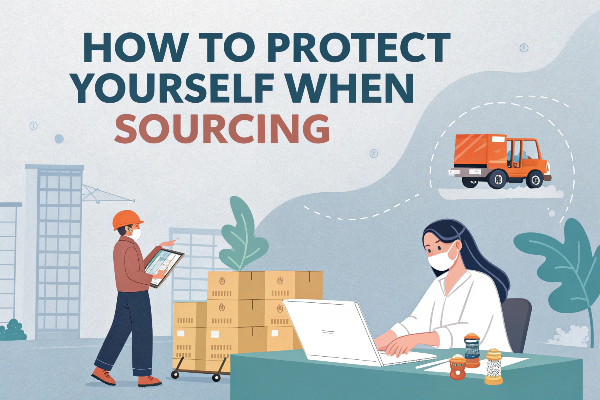
To protect yourself, start with small sample orders, sign clear contracts (with penalties), and use secure payment methods like Alibaba Trade Assurance or escrow services.
My Exact Process for Working With a New Manufacturer
- Sample First: Never skip this. Ask for production-grade samples, not showroom ones.
- Agreement in Writing: Include quality standards, delivery time, penalties, and IP protection.
- Use Trade Assurance: Alibaba offers buyer protection; so do some sourcing platforms.
- Inspect Before Shipment: Hire a third-party QC team like QIMA or ask for a full factory report.
- Start Small: First order should always be a test run, even if you have big plans.
I followed this exact process when I first worked with DECHENG. After testing a small batch of branded hoodies, I scaled to a 3,000-piece tracksuit order the next season — and never looked back.
Conclusion
Finding the right custom clothing manufacturer isn’t about luck — it’s about knowing where to look, what to ask, and how to protect yourself.