
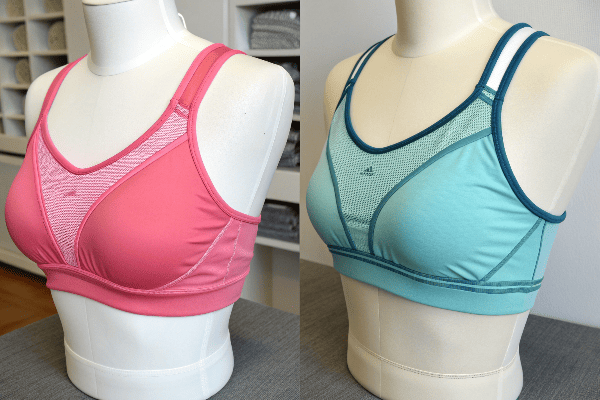
At first glance, training bras and sports bras may look similar—but they serve very different purposes. When I started helping clients develop youth and activewear lines, I realized many shoppers weren’t sure which type of bra was right for their daughters or for themselves.
A training bra is a lightweight undergarment designed for girls beginning puberty, offering minimal support and comfort as they transition to wearing bras. A sports bra, on the other hand, is built for physical activity and provides structured support to minimize movement.
This distinction is important, especially when designing apparel for growing teens or marketing to parents who want both comfort and functionality.
Table of Contents
What is a training bra?
A training bra is usually the first bra a girl wears.
It’s made for those who are just starting breast development and need only light coverage—not full support.
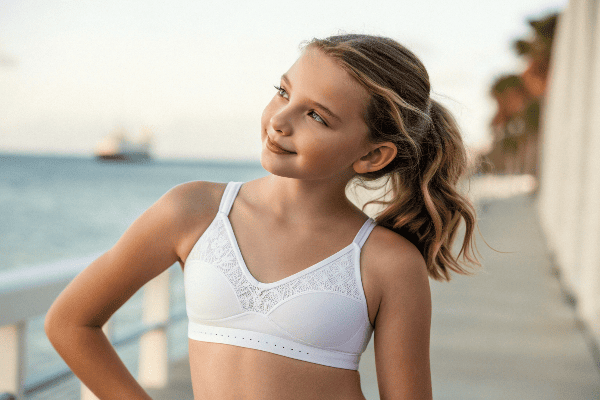
Features of a training bra:
| Feature | Description |
|---|---|
| Age Range | Usually 8–13 years old |
| Support Level | Very light support |
| Material | Soft cotton or blends |
| Padding | Typically unpadded |
| Closures | Pullover or hook-free designs |
According to Cleveland Clinic[^1], a training bra provides emotional comfort and basic coverage during early puberty. We once produced a series of colorful, seamless training bras for a kidswear brand. Their success came from focusing on soft fabrics, no tags, and fun colors—everything girls (and moms) appreciated.
What is a sports bra?
A sports bra is all about motion control.
It is designed for active movement and is used by tweens, teens, and adults during physical activity to reduce bounce and provide support.
Key traits of sports bras:
- Built with stretchy, moisture-wicking fabric
- Often includes padding, thicker straps, or racerback styles
- Compression or encapsulation for different levels of support
- Suitable for sports, PE class, dance, or fitness routines
Brands like Nike and Target offer clear product categories to guide parents and teens when shopping for the right level of support[^2][^3].
Many of our clients add junior-sized sports bras to their collections because more young girls are active in sports from an early age.
What’s the real difference?
The difference comes down to function: training bras are for comfort and introduction, while sports bras are for movement and support.
Comparison Table:
| Aspect | Training Bra | Sports Bra |
|---|---|---|
| Purpose | First bra, comfort, light coverage | Exercise, physical activity |
| Support | Minimal | Medium to high |
| Padding | Usually none | Optional or built-in |
| Target Wearer | Girls in early puberty | Active teens and women |
| Fabric | Soft, breathable cotton | Stretchy, moisture-wicking fabrics |
Organizations like Girls on the Run recommend youth-specific activewear to ensure confidence and comfort during exercise[^4]. It’s important to match the product with the stage of development and activity level. We guide our wholesale clients through this distinction when designing youth lines.
Conclusion
Training bras ease girls into wearing bras. Sports bras support them when they’re on the move. Choosing the right one depends on age, comfort, and activity level.
For more tips on youth bra selection and development, Verywell Family provides an excellent guide for parents[^5].
[^1]: Cleveland Clinic. "What Age Should My Child Start Wearing a Training Bra?" https://health.clevelandclinic.org/what-age-should-my-child-start-wearing-a-training-bra/
[^2]: Nike. "Big Kids' Sports Bras." https://www.nike.com/w/big-kids-training-sports-bras-6d4y36lq0k
[^3]: Target. "Girls’ Training Bras & Underwear." https://www.target.com/c/girls-training-bras-underwear-clothing/-/N-4y48n
[^4]: Girls on the Run. https://www.girlsontherun.org/
[^5]: Verywell Family. "How to Buy Your Daughter Her First Bra." https://www.verywellfamily.com/how-to-buy-your-daughter-her-first-bra-3288167