
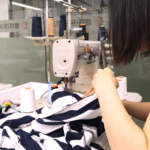

A few years ago, I thought a T-shirt was just a T-shirt—until I started getting questions from buyers about sustainability. It forced me to rethink how we source, dye, and manufacture. Turns out, there’s more to a T-shirt than meets the eye.
A sustainable T-shirt is made with eco-friendly materials, ethical labor, and low-impact manufacturing processes that reduce harm to the environment. It also supports circularity by being recyclable or biodegradable.
I still remember our first organic cotton T-shirt launch. A small run—but customers loved the story behind the shirt as much as the shirt itself. That’s when I realized sustainability builds trust[^1].
Table of Contents
- What makes a T-shirt sustainable?
- What fabrics are used in sustainable T-shirts?
- Are sustainable T-shirts more expensive?
- Conclusion
What makes a T-shirt sustainable?
Sustainability in fashion starts at the fiber level and goes all the way to packaging.
A T-shirt becomes sustainable when it’s made from responsibly sourced fabrics, produced in ethical factories, and shipped in minimal packaging.
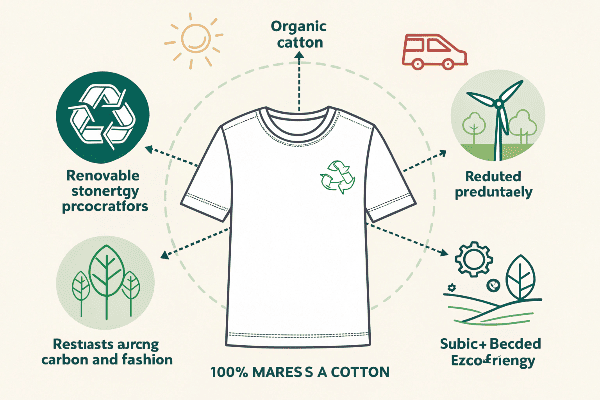
Key features of a sustainable T-shirt:
| Feature | Description |
|---|---|
| Eco-Friendly Fabrics | Organic cotton, hemp, bamboo, or recycled polyester |
| Ethical Production | Fair wages, safe working conditions, no child labor |
| Low-Impact Dyeing | Uses natural or low-water dye techniques |
| Minimal Packaging | Biodegradable or recyclable materials used for wrapping and tags |
| Durability & Design | Built to last longer, reducing the need for frequent replacement |
Factories following certifications like Fair Trade Certified and WRAP help ensure workers are treated fairly[^2]. I’ve worked with manufacturers that recycle water during dyeing and reuse scrap fabric for packaging. These small steps make a big impact.
What fabrics are used in sustainable T-shirts?
Not all fabrics are created equal—especially when it comes to the planet.
Sustainable T-shirts often use organic cotton, bamboo, hemp, TENCEL™, or recycled fibers to lower environmental footprint.
Common eco-friendly fabrics:
| Fabric | Benefit |
|---|---|
| Organic Cotton | No pesticides, uses less water |
| Bamboo | Fast-growing, biodegradable |
| Hemp | Durable, grows without chemicals |
| TENCEL™ | Made from wood pulp in a closed-loop process |
| Recycled PET | Reuses plastic waste, reduces landfill |
You can explore the properties of these fibers via Good On You[^3], which regularly evaluates the most sustainable materials in fashion. Our bamboo-cotton blend T-shirts became a hit with clients looking for softness and sustainability. It proved that feel and eco-consciousness can go hand in hand.
Are sustainable T-shirts more expensive?
It’s a question I get often from buyers who are price-sensitive.
Yes, sustainable T-shirts often cost more due to certified materials, ethical labor, and smaller batch production—but they offer long-term value and stronger brand image.
Why they’re worth it:
- Less waste over time
- Higher quality = fewer returns
- Boosts your brand’s reputation
- Meets rising consumer demand for transparency
A report from McKinsey & Company[^4] shows that Gen Z and millennial shoppers are more likely to pay for sustainable products. One of our European clients told me their sustainable line outsold their fast fashion line during the holidays. That’s the power of purpose.
Conclusion
A sustainable T-shirt goes beyond fabric. It tells a story—one of responsibility, ethics, and long-term value. It’s a small product with a big impact.
Whether you’re a brand owner, fashion startup, or eco-conscious shopper, understanding what makes a sustainable T-shirt is the first step toward a greener wardrobe[^5].
[^1]: Forbes. "Why Sustainability Builds Customer Trust and Brand Loyalty." https://www.forbes.com/sites/forbesbusinesscouncil/2023/03/22/why-sustainability-builds-customer-trust-and-brand-loyalty
[^2]: WRAP. "Worldwide Responsible Accredited Production." https://wrapcompliance.org/
[^3]: Good On You. "Most Sustainable Fabrics in Fashion." https://goodonyou.eco/most-sustainable-fabrics/
[^4]: McKinsey & Company. "The State of Fashion." https://www.mckinsey.com/industries/retail/our-insights/state-of-fashion
[^5]: Earth.org. "A Practical Guide to Sustainable Fashion." https://earth.org/guide-to-sustainable-fashion/