


Skin irritation was something I didn’t think about—until I saw a customer return our shirt because it gave them a rash. That moment pushed me to research fabrics better, and I quickly found that organic cotton kept coming up in dermatology and textile safety discussions.
Yes, organic cotton is good for sensitive skin because it’s free from harsh chemicals, synthetic pesticides, and residues often left in conventionally grown cotton. It’s softer, breathable, and less likely to cause irritation.
I started testing our loungewear line using GOTS-certified organic cotton, and we saw fewer complaints and more repeat buyers. For brands targeting wellness or babywear, this detail makes a big difference.
Table of Contents
- What causes skin irritation in conventional cotton?
- What makes organic cotton safer?
- Does organic cotton feel different on the skin?
- Conclusion
What causes skin irritation in conventional cotton?
Even though conventional cotton is natural, its processing isn’t always skin-friendly.
Chemical residues from pesticides, fertilizers, and bleach used during production can irritate sensitive skin.
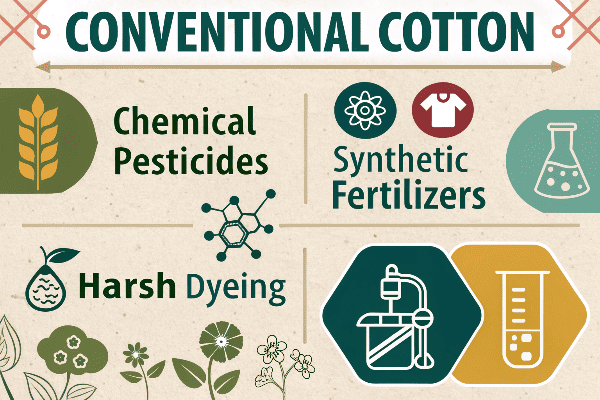
Common triggers found in non-organic cotton:
| Source of Irritation | Description |
|---|---|
| Pesticides & Herbicides | Used in conventional farming; can remain in fibers |
| Formaldehyde | Used to prevent wrinkles; may trigger allergic reactions |
| Synthetic Dyes & Fixers | Some dyes contain heavy metals or harsh binding chemicals |
I once had a client who switched to organic cotton baby clothes after her newborn developed a rash from a regular bodysuit. She emailed us to thank us for offering a chemical-free option.
Even reputable sources like Mayo Clinic confirm that chemical exposure can cause contact dermatitis and other skin issues[^1].
What makes organic cotton safer?
Organic cotton is grown and processed under strict standards.
It avoids harsh chemicals at every step, from seed to fabric, making it gentler on the skin—especially for babies, people with eczema, and allergy-prone individuals.
Certification adds trust:
Look for:
These certifications ensure the cotton is tested for toxic substances and safe for skin contact. According to OEKO-TEX, their tests include over 100 harmful chemicals[^2].
Does organic cotton feel different on the skin?
You might expect organic cotton to feel rougher or untreated, but that’s not the case.
Organic cotton is often softer than conventional cotton because its fibers aren’t damaged by chemicals during processing.
Why it matters for daily wear:
- Reduced friction on skin
- Breathable and moisture-wicking
- Hypoallergenic properties
Good On You also points out that organic cotton is ideal for underwear, bedding, and baby clothes due to its softness and purity[^3].
For our hoodie line, we noticed the fabric held up well even after multiple washes, without causing discomfort to people with dermatitis.
Conclusion
Organic cotton is not just a trend—it’s a skin-safe, breathable, and reliable choice for sensitive skin. If comfort and safety are top priorities, it’s worth the switch.
Whether you’re developing a babywear line or simply upgrading your wardrobe basics, switching to certified organic cotton garments is a gentle choice for both skin and planet[^4].
[^1]: Mayo Clinic. "Contact dermatitis." https://www.mayoclinic.org/diseases-conditions/contact-dermatitis/symptoms-causes/syc-20352741
[^2]: OEKO-TEX®. "STANDARD 100 by OEKO-TEX®." https://www.oeko-tex.com/en/business/certifications_and_services/ots_100/ots_100.xhtml
[^3]: Good On You. "Why Organic Cotton is Better for You and the Planet." https://goodonyou.eco/why-organic-cotton-is-better/
[^4]: Treehugger. "What Is Organic Cotton?" https://www.treehugger.com/what-is-organic-cotton-5187544