
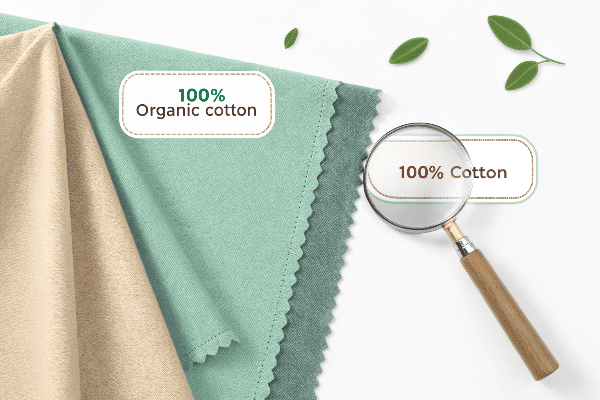
Most people assume that “100% cotton” and “100% organic cotton” mean the same thing. I used to think so too—until I started sourcing fabrics for my own clothing line. The difference turned out to be more than just a label.
100% organic cotton is grown without synthetic chemicals and GMOs, while regular 100% cotton may involve pesticides and conventional farming methods. Both are pure cotton, but their environmental impact and farming practices differ.
When I first switched to organic cotton for some of our T-shirts, I noticed the feel was the same, but the sourcing story became more powerful. If you’re trying to build a brand that cares about sustainability, this detail matters a lot.
Table of Contents
- What does "100% cotton" really mean?
- What makes cotton "organic"?
- Is there a quality difference between the two?
- Conclusion
What does "100% cotton" really mean?
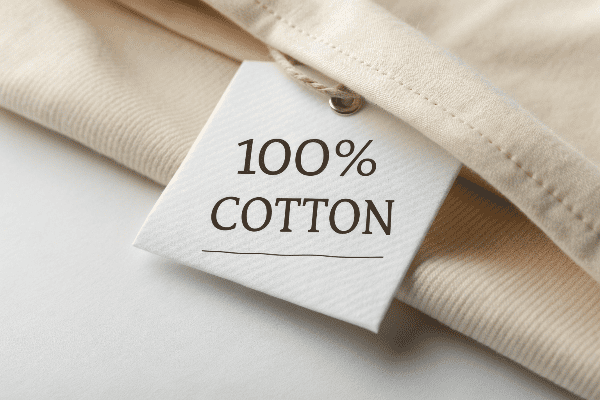
Many clothing tags say “100% cotton,” but what does that actually tell us?
It means the fabric is made entirely from cotton fiber, without blending in polyester or other synthetic materials.
What’s not included in the label?
Most 100% cotton fabrics don’t say whether the cotton was grown using pesticides or genetically modified seeds. This means:
- It could come from conventional farming
- It likely involved chemical fertilizers
- It doesn’t follow organic certification standards
According to the Textile Exchange, conventional cotton farming accounts for 16% of global insecticide use[^1].
| Label | Fiber Content | Farming Method | Chemical Use | Certification |
|---|---|---|---|---|
| 100% Cotton | Cotton | Conventional (usually) | Yes | No |
| 100% Organic Cotton | Cotton | Organic | No | Yes (GOTS, etc.) |
What makes cotton "organic"?
This is where things get specific.
Organic cotton is grown using non-GMO seeds, without synthetic pesticides or fertilizers. It often follows strict environmental standards like GOTS or OEKO-TEX.
Why do farmers switch to organic methods?
Farmers who grow organic cotton focus on preserving soil health, using natural pest control, and reducing water waste. Here are a few benefits:
- Better for workers’ health
- Safer for surrounding ecosystems
- Helps reduce long-term environmental damage
I once visited a cotton farm in China’s Xinjiang region. One grower told me how his fields had recovered after transitioning to organic farming. That experience stuck with me.
If you're building a responsible supply chain, switching to certified organic materials from trusted suppliers like CottonConnect can boost your sustainability profile[^2].
Is there a quality difference between the two?
A common question I get from clients is whether organic cotton feels different from regular cotton.
No—organic cotton is just as soft, breathable, and durable as conventional cotton. The difference is in how it’s made, not how it feels.
Then why is it more expensive?
It’s mostly due to:
- Smaller yield per acre
- Labor-intensive weed control
- Certification and testing costs
But for brands that value sustainability, that extra cost often turns into extra trust. In fact, consumer demand for sustainable fashion has risen sharply, with Statista reporting a global surge in eco-conscious apparel purchasing[^3].
Conclusion
100% organic cotton and 100% cotton come from the same plant—but not the same practices. Choosing between them means choosing your values.
Whether you're sourcing materials for your brand or shopping more responsibly, understanding the difference between organic and conventional cotton can help you make better decisions[^4].
[^1]: Textile Exchange. "Quick Facts About Conventional Cotton Use." https://textileexchange.org
[^2]: CottonConnect. "Empowering farmers and building sustainable supply chains." https://www.cottonconnect.org/
[^3]: Statista. "Sustainable fashion worldwide – statistics & facts." https://www.statista.com/topics/7349/sustainable-fashion-worldwide/
[^4]: Ecocult. "Organic Cotton vs Conventional Cotton." https://www.ecocult.com/organic-cotton-vs-conventional-cotton/