
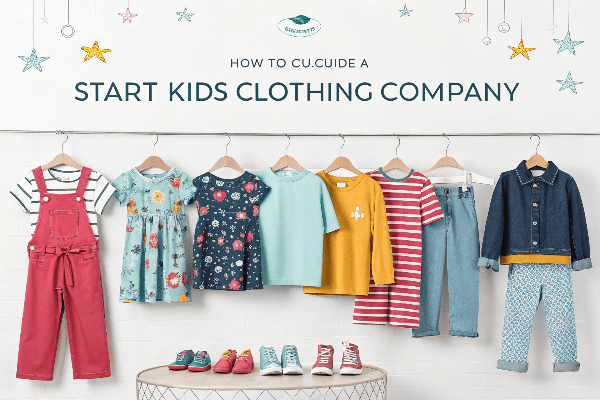
Starting a kids clothing company might seem simple—but the market is competitive, and parents are picky. Still, if you can combine safety, comfort, and playful design, there's huge potential.
To start a kids clothing company, you need to choose a niche, design a focused collection, find a manufacturer, build a brand, and sell through the right channels—whether online, offline, or wholesale.
I’ve worked with several children’s brands that started from just a few sketches. With the right steps and mindset, yours can grow too.
Table of Contents
- How do you choose your niche in kidswear?
- How do you design and develop your first kidswear line?
- How do you find a kidswear manufacturer?
- What does branding and packaging look like?
- How do you sell your kidswear?
- Conclusion
- External Resources
How do you choose your niche in kidswear?
You can't target everyone—start with a specific group.
Pick a clear niche based on age, style, seasonality, or values—like organic babywear, streetwear for tweens, or unisex basics. The tighter your niche, the easier it is to find your audience.
| Niche Type | Examples |
|---|---|
| Age group | Newborn (0–12M), toddler (1–3Y), kids (4–8Y) |
| Style focus | Streetwear, classics, gender-neutral |
| Functionality | Easy-dress clothing, stain-resistant fabrics |
| Values | Organic cotton, eco-packaging, fair trade |
You can explore trends using tools like Google Trends or WGSN to spot market gaps[^1].
How do you design and develop your first kidswear line?
Start small but smart.
Sketch 5–8 pieces that share a visual identity. Use soft fabrics, secure details (no choking hazards), and prioritize washability and fit. Work with a pattern maker or use tech packs to get factory-ready.
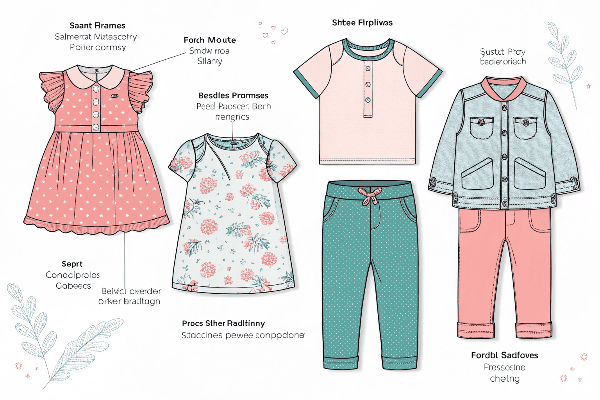
Design Priorities for Kids Clothing
- Comfort: Use fabrics like organic cotton, bamboo, modal.
- Safety: Avoid drawstrings, detachable parts, sharp zippers.
- Practicality: Think about diaper access, elastic waistbands, machine-washable fabric.
- Growth room: Kids grow fast. Include some sizing flexibility.
Tools like Techpacker make it easy to build professional tech packs for sampling[^2].
How do you find a kidswear manufacturer?
Focus on experience and safety compliance.
Find a factory with experience in children’s wear, preferably one that follows CPSIA or EN71 safety standards. Ask about fabric sourcing, sampling timelines, and low-MOQ options.
| Criteria | What to Look For |
|---|---|
| Safety certifications | CPSIA, OEKO-TEX, GOTS |
| Low MOQ | 50–100 pieces per style |
| Sample process | Transparent pricing and sample timeline |
| Specialization | Factories that only make adultwear may miss key details |
Check manufacturer listings on platforms like Alibaba, MakersRow, or Common Objective for vetted kidswear suppliers[^3].
What does branding and packaging look like?
You’re not just selling clothes—you’re selling a story.
Develop a name, logo, and brand message that speaks to your niche. Invest in playful, parent-friendly packaging and consistent sizing labels.
| Branding Element | Tips for Kidswear Brands |
|---|---|
| Logo | Keep it fun, readable, and age-neutral |
| Tone of Voice | Warm, caring, cheerful |
| Packaging | Use kraft boxes, pastel colors, or eco-mailers |
| Labels | Include size, wash care, and safety info |
You can use design tools like Canva or work with freelance designers on Fiverr or 99designs.
How do you sell your kidswear?
Start where your buyers are.
Use a Shopify store, Etsy, or Amazon to reach direct buyers. Consider wholesale to baby boutiques or consignment shops. Partnering with parenting influencers can also build trust quickly.
| Channel | Pros | Cons |
|---|---|---|
| Shopify | Full control, scalable | Requires SEO + traffic effort |
| Etsy | Low barrier, good for handmade/niche | High competition |
| Amazon | High reach, logistics handled | Fees, strict policies |
| Boutiques | Brand credibility, long-term orders | Slower onboarding |
Use platforms like Faire or Handshake to connect with wholesale buyers and baby boutiques[^4].
Conclusion
Starting a kids clothing brand is about more than cute designs. It takes research, careful planning, safety focus, and clear branding. But if you’re intentional about each step, you’ll be surprised how far a simple idea can grow.
External Resources
- How to Start a Kids Clothing Brand – Shopify Guide
- CPSIA Compliance Explained – CPSC
- Global Organic Textile Standard – GOTS
- Kidswear Manufacturing – Fibre2Fashion
- Wholesale Platform for Baby & Kidswear – Faire
[^1]: Trend Forecasting for Fashion – WGSN
[^2]: Techpacker: Tech Pack Software
[^3]: Common Objective – Ethical Fashion Suppliers
[^4]: Faire Wholesale Marketplace