



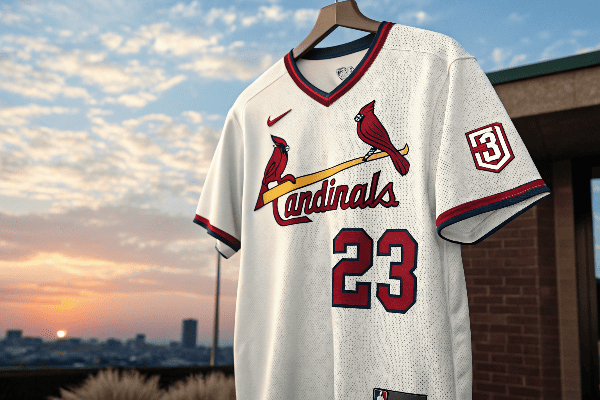
You’ve probably heard the term "jersey shirt" while shopping or designing custom apparel, but do you really know what it means?
A jersey shirt is a soft, knit garment usually made from cotton or synthetic fabric like polyester. It’s known for its lightweight, stretchy feel, often used for athletic wear, casual clothing, or sports teams.
Having worked with jersey fabrics for years, I can tell you they’re one of the most comfortable and versatile types of shirts available, suitable for everything from sports to streetwear.
Table of Contents
- What makes a shirt a "jersey"?
- Where did jersey shirts originate?
- What types of jerseys are there?
- What makes jersey shirts different from regular T-shirts?
- Conclusion
What makes a shirt a "jersey"?
The key is the fabric.
Jersey refers to a specific type of knit fabric characterized by its elasticity and smooth texture. It’s often used for T-shirts, polos, and athletic gear. Unlike woven fabrics, jersey stretches easily and doesn’t wrinkle as easily.
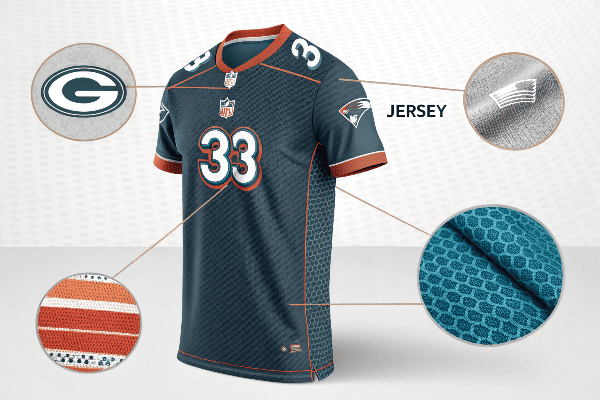
Key characteristics of jersey fabric
| Feature | Description |
|---|---|
| Knit Construction | Single-knit construction (stretch and flexibility) |
| Fabric Texture | Soft, smooth, and breathable |
| Common Materials | Cotton, polyester, or a cotton-poly blend |
| Stretchability | High elasticity for comfort and movement |
| Durability | Resists wrinkles, holds up well to wear and tear |
Jersey fabric is popular in both athleisure and streetwear fashion[^1].
Where did jersey shirts originate?
Jersey fabric dates back to the 16th century in Jersey, an island in the English Channel.
Originally made from wool, the fabric’s name comes from the island’s use of a hand-knitting process to create durable, breathable garments. Today, jersey shirts are predominantly made from cotton, polyester, or blends.
Evolution of jersey fabric
| Era | Key Development |
|---|---|
| 16th century | Wool-based, hand-knitted garments |
| 19th century | Industrial production with cotton jersey |
| 20th century–today | Common fabric in sportswear, fashion, and loungewear |
Jersey became globally known when Coco Chanel used it in women’s fashion in the early 1900s[^2].
What types of jerseys are there?
Not all jerseys are the same—there are different types based on material and purpose.
You can find cotton jerseys, performance jerseys made of polyester, and even blends for added durability and stretch. Athletic jerseys, for example, are often made of moisture-wicking polyester.
Types of jerseys
| Type | Common Use Cases |
|---|---|
| Cotton jersey | Casual tees, basic wear |
| Performance jersey | Athletic wear, moisture-wicking, gym shirts |
| Polyester jersey | Sports teams, jerseys, activewear |
| Blended jersey | Fashion-forward designs with a mix of cotton/polyester |
Brands like Nike and Adidas often use polyester blends in high-performance jerseys[^3].
What makes jersey shirts different from regular T-shirts?
Jersey shirts are made with a specific knit that sets them apart from regular woven T-shirts.
Unlike a regular T-shirt (which may be woven from cotton fabric), jersey shirts are knitted, giving them more stretch and softness. They tend to fit closer to the body and have a smooth texture.
Jersey vs. Regular T-shirt
| Feature | Jersey Shirt | Regular T-shirt |
|---|---|---|
| Fabric Construction | Knit (stretchy, smooth) | Woven (less stretch, more structure) |
| Fit | Form-fitting or relaxed | Usually looser, less stretch |
| Comfort | More comfortable due to elasticity | May be stiffer depending on fabric |
| Durability | High stretch and softness | Can lose shape quicker after washing |
If you're in activewear or fashion basics, jersey is the gold standard for comfort.
Conclusion
A jersey shirt is a lightweight, stretchy, and breathable garment perfect for athletic wear, casual looks, and fashion-forward designs. Its knit construction allows for flexibility, comfort, and durability, making it a wardrobe staple for both casual and active lifestyles.
[^1]: Learn more about jersey fabric and how it's used in fashion via MasterClass on knit vs woven fabrics.
[^2]: Coco Chanel helped make jersey fabric mainstream in women's fashion. Source: Britannica - Coco Chanel.
[^3]: Nike and Adidas offer technical jersey shirts for professional athletes and fans alike.