
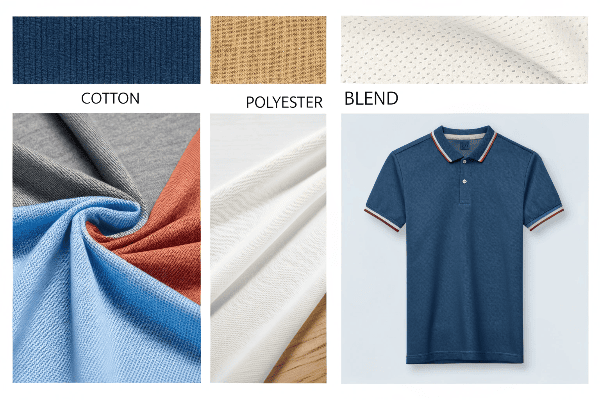
When I first started producing polo shirts, I was surprised by how much the fabric choice affected the final product. Clients often ask me: “What is the best fabric for polo shirts?” After working with different fabrics and designs, I learned that the ideal fabric depends on the intended use, comfort, and style of the polo shirt.
The best fabric for polo shirts depends on the desired qualities: cotton is classic and breathable, polyester blends are durable and moisture-wicking, and merino wool is luxurious and soft. Each fabric serves a different purpose, and the right choice will depend on the wearer’s needs.
I still remember when I first experimented with performance fabric polos for a sports brand. The feel of the fabric was totally different from classic cotton, but it made a huge difference for athletes.
Table of Contents
- What makes cotton the most popular fabric for polo shirts?
- Why are polyester blends popular for polo shirts?
- What makes merino wool a luxurious fabric for polo shirts?
- Is polyester the best fabric for activewear polos?
- What are the benefits of bamboo fabric for polo shirts?
- Why is spandex added to some polo fabrics?
- What fabric is best for business casual polos?
- How do climate and seasonality affect fabric choice?
- Conclusion
What makes cotton the most popular fabric for polo shirts?
Cotton is the most traditional and widely used fabric for polos.
Cotton is breathable, soft, and comfortable. It is also highly versatile, making it a go-to choice for both casual and semi-formal polo shirts.
- Breathable: Allows air circulation, keeping the wearer cool
- Soft feel: Comfortable against the skin
- Durable: Long-lasting when cared for properly
I recommend cotton polos for brands that want a classic, comfortable feel for everyday wear.
Why are polyester blends popular for polo shirts?
Polyester blends are used for their strength and performance.
Polyester and cotton blends are ideal for performance polos because they are moisture-wicking, durable, and less prone to shrinking or wrinkling.
- Moisture-wicking: Keeps sweat away from the body
- Durable: Resistant to fading and wrinkles
- Lightweight: Keeps the wearer cool and dry
Polyester blends are great for sports teams, golf clubs, and corporate uniforms where function and durability are key.
What makes merino wool a luxurious fabric for polo shirts?
Merino wool is known for its softness and luxurious feel.
Merino wool polos are perfect for cooler climates because the fabric regulates body temperature and feels incredibly soft against the skin.
- Soft texture: Gentle on the skin
- Temperature regulation: Keeps you warm in cold weather and cool in warm weather
- Sustainable: Merino wool is a renewable resource
I once worked on a luxury polo collection made from merino wool. The comfort and quality were unmatched, making it perfect for high-end markets.
Is polyester the best fabric for activewear polos?
Polyester is a top choice for sports polos.
Polyester is lightweight, breathable, and moisture-wicking, making it ideal for activewear. It dries quickly and resists wrinkles, which is perfect for athletes or anyone needing a performance polo.
- Quick-drying: Great for intense workouts
- Durability: Resistant to wear and tear
- Easy care: Doesn’t require special washing or ironing
I recommend polyester polos for fitness clubs and sports teams because they maintain their shape and feel fresh after every workout.
What are the benefits of bamboo fabric for polo shirts?
Bamboo fabric is an eco-friendly alternative.
Bamboo fabric is soft, breathable, and naturally antibacterial. It also has moisture-wicking properties, making it a great sustainable option for polos.
- Sustainable: Bamboo is an eco-friendly material
- Moisture-wicking: Keeps you dry and fresh
- Soft and breathable: Feels smooth on the skin
Bamboo fabric polos are a hit with eco-conscious brands looking to appeal to a sustainable market.
Why is spandex added to some polo fabrics?
Spandex adds stretch and comfort.
A small amount of spandex in polo fabrics allows for a better fit and more movement. This blend is perfect for athletic polos or polos with a slimmer, more modern fit.
- Stretch: Helps the polo keep its shape
- Flexibility: Moves with the body
- Shape retention: Keeps the fit consistent over time
Spandex-blended polos are popular with brands that focus on performance or fashionable, body-hugging designs.
What fabric is best for business casual polos?
For business casual wear, cotton or polyester blends work best.
Cotton-blend polos offer a professional look while remaining comfortable. They can be worn in office environments while still offering casual style.
- Cotton blend: Traditional and comfortable
- Polyester blend: More durable for daily wear
- Stretch fabric: Adds flexibility without losing formality
I recommend polyester-cotton blends for companies seeking a polished yet casual appearance.
How do climate and seasonality affect fabric choice?
The fabric you choose depends largely on the weather and season.
In warmer weather, lightweight cotton, polyester blends, and bamboo fabrics are ideal because they are breathable and moisture-wicking. In cooler months, merino wool and heavier blends work best.
- Summer: Light cotton, bamboo, or polyester blends
- Winter: Merino wool or heavier cotton-blend polos
For summer events, I often suggest lightweight cotton polos. For corporate winterwear, merino wool or cotton-blends with a thicker weave are excellent choices.
Conclusion
The best fabric for polo shirts depends on the intended use, season, and desired qualities. Cotton is the most traditional, polyester blends are great for performance, and merino wool offers luxury. Bamboo and spandex blends offer eco-friendly and stretch options, respectively. Choose wisely to ensure the fabric matches the style, comfort, and durability you want.