
When it comes to bras, we often focus on style and support—but what about skin health? The fabric sitting against your skin for 10+ hours matters more than most people realize.
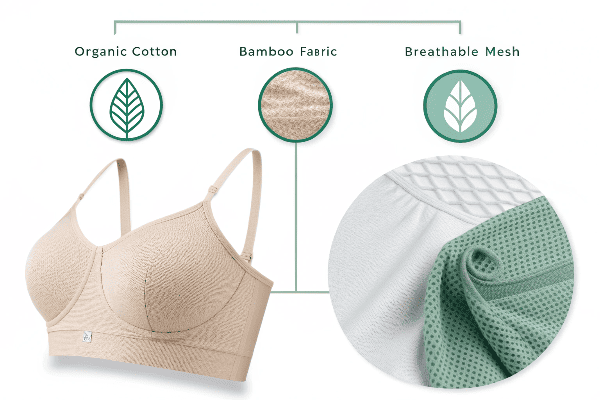
The healthiest bra materials are breathable, hypoallergenic, and moisture-wicking—such as organic cotton, bamboo fiber, and soft modal. These fabrics reduce skin irritation, allow airflow, and are gentle on sensitive skin.
I used to wear synthetic bras every day, until I developed redness and breakouts along my underbust. Switching to organic cotton changed everything. Comfort wasn’t just a feeling—it became a long-term health upgrade.
Table of Contents
- Why does bra material matter for your health?
- What are the healthiest bra materials to wear?
- Are synthetic bras bad for your skin?
- How can you choose a skin-friendly bra?
- Conclusion
Why does bra material matter for your health?
Your skin needs to breathe, especially in sensitive areas.
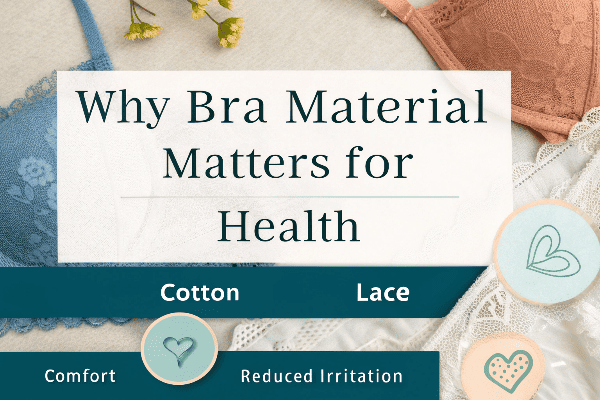
Bra materials that trap moisture, rub harshly, or contain chemical residues can lead to rashes, acne, or even infections—especially for sensitive skin types[^1].
Common issues caused by wrong fabric
| Fabric Issue | Skin Reaction |
|---|---|
| Non-breathable material | Sweat buildup, heat rash |
| Rough texture | Friction burns, redness |
| Chemical-treated fabrics | Allergic reactions, eczema flare-ups |
| Non-wicking fibers | Bacteria growth, odor |
According to DermNet, textile chemicals and synthetic fabrics are common triggers of contact dermatitis[^2].
What are the healthiest bra materials to wear?
Natural, breathable, and soft options win.
Organic cotton, bamboo, and modal are considered the healthiest materials for bras due to their breathability, softness, and low allergen content[^3].
Top healthy bra materials
| Material | Health Benefits | Notes |
|---|---|---|
| Organic Cotton | Hypoallergenic, breathable, gentle on skin | May shrink; less durable |
| Bamboo Fiber | Antibacterial, moisture-wicking, super soft | Requires chemical processing[^4] |
| Modal | Smooth, flexible, biodegradable | Derived from beechwood pulp |
| Hemp | Naturally antimicrobial, strong, breathable | Coarse without blending |
Look for labels like GOTS or OEKO-TEX® Standard 100 to ensure materials are safe and tested for harmful substances[^5].
Are synthetic bras bad for your skin?
Not always—but they come with risks.
Synthetic bras made from polyester or nylon may trap heat and sweat, causing skin irritation, especially if worn for long hours or during exercise[^6].
When synthetics work—and when they don’t
Synthetics like polyester and nylon are:
- Durable and stretch-retaining
- Often chemically dyed or resin-treated
- Less breathable than natural fibers
- Potential acne triggers when moisture gets trapped[^7]
Some blends offer moisture-wicking performance (like Nike’s Dri-FIT), which can be helpful in workout settings—but for daily wear, natural fabrics are often healthier for skin.
How can you choose a skin-friendly bra?
Read the label—and trust your body’s feedback.
Choose bras labeled as breathable, hypoallergenic, and free of harmful dyes. Prioritize soft linings, seamless designs, and lightweight padding.
Your healthy bra checklist
- ✔ Natural fibers (cotton, bamboo, modal)
- ✔ OEKO-TEX® or GOTS certified materials
- ✔ No synthetic lining directly against skin
- ✔ Odor-free (no lingering chemical smell)
- ✔ Wide, soft bands and tagless labels
According to Harvard Health, good undergarments should minimize friction and allow full skin ventilation[^8].
Conclusion
The healthiest bras are made from gentle, breathable fabrics like organic cotton and bamboo. Your skin will thank you—for every hour you wear them. Prioritize comfort, airflow, and skin-friendliness over pure style.
[^1]: Healthline. “What to Know About Skin-Friendly Bra Fabrics.” Link
[^2]: DermNet. “Textile Dermatitis.” Link
[^3]: ThirdLove. “What Are the Best Materials for Bras?” Link
[^4]: Made-How. “How Bamboo Fabric Is Made.” Link
[^5]: OEKO-TEX®. “STANDARD 100 by OEKO-TEX®.” Link
[^6]: Cleveland Clinic. “What to Wear If You Have Sensitive Skin.” Link
[^7]: American Academy of Dermatology. “How Clothing Can Cause Body Acne.” Link
[^8]: Harvard Health Publishing. “How to Choose the Right Bra.” Link