

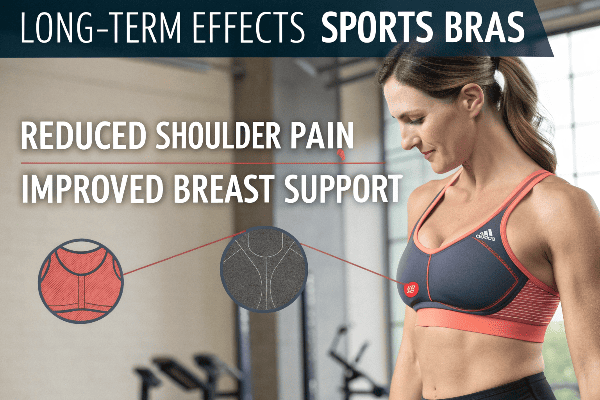
Sports bras are a go-to for workouts—but many people now wear them daily. That raises a big question: what happens when you wear sports bras long-term?
Long-term use of well-fitted sports bras can support posture, reduce breast strain, and protect tissue. However, overly tight or poorly designed sports bras may cause restricted movement, poor circulation, or discomfort if worn too often.
I’ve worked with brands designing both supportive and breathable activewear. What we found is: the right sports bra can be your best friend—or a source of tension—depending entirely on fit and use.
Table of Contents
- Do sports bras help prevent sagging over time?
- Can wearing sports bras daily affect breathing or posture?
- Are there skin or circulation issues from extended wear?
- Is it okay to sleep in a sports bra?
- Conclusion
Do sports bras help prevent sagging over time?
Yes, with proper support.
Sports bras minimize bounce during movement, which helps reduce strain on Cooper’s ligaments—the connective tissues that maintain breast shape. Over time, this can help delay sagging.
According to Healthline, limiting breast movement during high-impact activity may reduce tissue stress[^1].
Why support matters
| Factor | Sports Bra Benefit |
|---|---|
| Movement restriction | Limits ligament stretching |
| High-impact protection | Reduces long-term bounce damage |
| Bust weight distribution | Prevents pull on chest and shoulders |
But remember: not all sports bras are created equal. High-impact bras give more long-term benefits than light, stretchy bralettes.
Can wearing sports bras daily affect breathing or posture?
Only if the fit is wrong.
Wearing tight or compressive sports bras all day may restrict rib movement and cause shallow breathing, especially in high-compression designs. However, racerback styles can support posture when worn short-term.
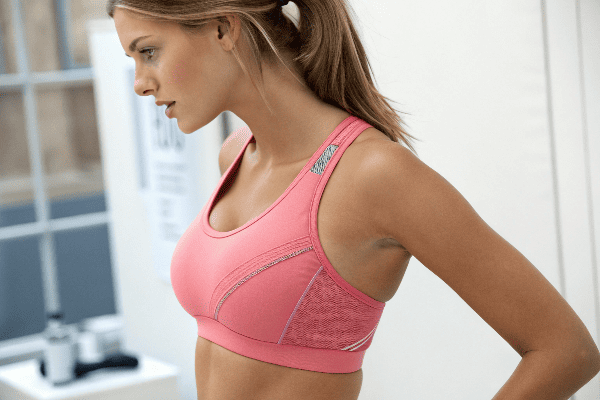
A study from Harvard Health notes that garments restricting the ribcage may affect breathing mechanics over time[^2].
Long-term wear risks
- Restricted lung expansion if the chest band is too tight
- Muscle fatigue or back tension from lack of upper mobility
- Neck strain if straps are too narrow or tight
Solution: Opt for looser, lightly supportive bras when you don’t need full compression—especially if you’re seated most of the day.
Are there skin or circulation issues from extended wear?
Yes, especially in humid climates or poor fabrics.
Wearing sports bras for long hours without breaks can trap moisture, leading to skin irritation, clogged pores, or even fungal infections. Tight bands may also reduce lymphatic flow over time.
Verywell Health highlights how improper fabrics and tight compression can lead to skin discomfort or reduced circulation[^3].
Fabric and hygiene tips
| Tip | Why It Matters |
|---|---|
| Choose breathable, quick-dry fabric | Reduces sweat buildup and odor |
| Wash after each wear | Prevents bacterial growth |
| Avoid elastic that digs in | Helps maintain healthy circulation |
If you wear one all day, change into a fresh bra at night to give your skin a break.
Is it okay to sleep in a sports bra?
Not ideal, but depends on your comfort.
Sleeping in a sports bra isn’t harmful if it’s soft, wireless, and non-compressive. But long-term overnight use of tight bras can limit circulation and irritate skin.
According to Cleveland Clinic, there's no evidence sleeping in a bra is harmful—if it's not too tight[^4].
Sleepwear bra advice
- Choose seamless or lounge-style sports bras
- Avoid any underwire or tight elastic
- Let your body breathe when you can
Breast health benefits more from proper daytime support than constant nighttime wear.
Conclusion
Wearing sports bras long-term offers benefits like posture support and bounce control, but only when they’re worn in the right size, fit, and context. Overuse of tight, non-breathable styles can lead to discomfort or circulation issues—so alternate, breathe, and balance support with comfort.
[^1]: Healthline: "Do Bras Prevent Sagging?" explains that supportive garments may help preserve breast shape during exercise.
[^2]: Harvard Health notes that tight compression around the chest may inhibit natural rib cage expansion during breathing.
[^3]: Verywell Health warns that moisture buildup and tight elastic in bras may affect skin health and circulation long-term.
[^4]: Cleveland Clinic clarifies that sleeping in a bra isn’t dangerous as long as it’s comfortable and not constricting.