
We all love a cozy sweater—but some feel buttery soft, while others leave you scratching your neck. If you're after the softest possible material for ultimate comfort, not all fabrics are created equal.
The softest sweater materials include cashmere, baby alpaca, extra-fine merino wool, bamboo viscose, and modal. These fibers are known for their silky texture, flexibility, and ability to feel smooth directly against the skin.
In product development, when softness is a top priority—especially for luxury or loungewear brands—we always start with these materials. They feel expensive for a reason.
Table of Contents
- Is cashmere the softest sweater material?
- What are other ultra-soft natural sweater materials?
- Are there soft synthetic sweater materials?
- How can you tell if a sweater will feel soft?
- Conclusion
Is cashmere the softest sweater material?
For most people, yes—cashmere is the gold standard of softness.
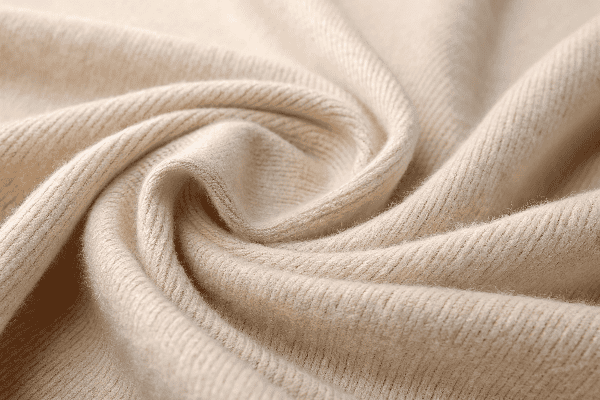
Cashmere is made from the undercoat of cashmere goats, featuring ultra-fine fibers (around 14–16 microns). It feels silky, lightweight, and warm—without the itch of traditional wool.
Why cashmere feels so luxurious
| Feature | Cashmere Advantage |
|---|---|
| Ultra-fine fiber | Smooth feel, no prickle |
| Natural insulation | Light but warm |
| Drapes beautifully | Elegant fit and movement |
| Breathable | Comfortable across seasons |
Learn more from The Good Cashmere Standard, which promotes quality, traceability, and animal welfare in cashmere production.
Grade A cashmere (finer, longer fibers) is softer and more durable than lower grades.
What are other ultra-soft natural sweater materials?
Cashmere isn’t the only soft fiber out there.
Baby alpaca, bamboo, and extra-fine merino wool are also incredibly soft, often used in sweaters designed for sensitive skin or premium wear.
Top soft natural fibers
| Material | Micron Size | Softness Rating |
|---|---|---|
| Baby Alpaca | 18–22 microns | ★★★★☆ |
| Extra-Fine Merino | 16–18 microns | ★★★★☆ |
| Bamboo Viscose | N/A (plant-based) | ★★★★☆ |
Woolmark classifies merino fibers under 19.5 microns as “next-to-skin soft.”
Alpaca fiber is hypoallergenic and lacks lanolin, making it ideal for sensitive wearers.
Baby alpaca is hypoallergenic and warmer than wool. Bamboo viscose is ultra-soft and often used in lightweight knits or eco-friendly collections.
Are there soft synthetic sweater materials?
Yes—and they’re often more affordable.
Modal, Tencel, and acrylic blends can mimic the softness of natural fibers, especially when brushed or blended with cotton or spandex.
Soft synthetic blends to look for
| Material/Blend | Texture Feel | Great For |
|---|---|---|
| Modal-Cotton | Silky and breathable | Loungewear, layering |
| Acrylic-Spandex | Smooth with stretch | Budget-friendly softness |
| Tencel (Lyocell) | Eco-soft, moisture-wicking | Lightweight sweaters |
Learn more about Tencel and modal fabrics from Lenzing, the certified provider of these sustainable fibers.
Soft synthetics are ideal for brands focused on price point without sacrificing feel.
How can you tell if a sweater will feel soft?
Always check the fiber content—and feel the knit, if possible.
Softness depends on both the fiber and how it’s spun. Looser knits with finer yarns often feel smoother. Tight, coarse yarns—even with good fiber—can feel stiff.
Softness checklist
- ✅ Fiber under 20 microns (cashmere, merino, alpaca)
- ✅ Blended with modal, bamboo, or viscose
- ✅ Light to midweight knit density
- ✅ No harsh seams or rough tags
For brands, it’s smart to request fabric swatches before production to ensure hand-feel matches your positioning.
REI’s guide to layering fabrics also breaks down softness and thermal performance by material.
Conclusion
The softest sweater materials are cashmere, baby alpaca, extra-fine merino wool, bamboo, and modal. Whether you're shopping for personal comfort or sourcing for a soft-touch collection, these fabrics guarantee the cozy feel customers love.
- Cashmere’s fiber diameter typically ranges from 14–16 microns, making it one of the finest natural fibers used in clothing.
- Baby alpaca is not from young animals, but refers to the softest grade of alpaca fleece.
- Modal and Tencel are made from sustainably harvested wood pulp and processed for silky texture.
- Bamboo viscose is plant-derived and has natural antimicrobial and cooling properties.
- According to Harvard’s SITN, wool with a diameter below 20 microns is classified as soft enough for next-to-skin comfort.