
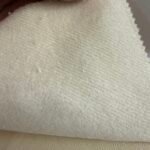



If you’ve ever put on a sweater and instantly felt the urge to scratch, you're not alone. Many sweaters look cozy—but feel scratchy. The good news? Some materials are naturally soft and itch-free.
The least itchy sweater materials include cotton, cashmere, bamboo, modal, and fine-grade merino wool. These fabrics are smooth, breathable, and soft against sensitive skin.
As someone who’s helped brands develop knitwear lines, I always recommend these materials for comfort-first collections—especially when targeting premium or loungewear markets.
Table of Contents
- Why do some sweater fabrics itch while others don’t?
- What natural sweater materials are itch-free?
- Are there synthetic materials that don’t itch?
- What sweater materials should you avoid if you're sensitive?
- Conclusion
Why do some sweater fabrics itch while others don’t?
It all comes down to fiber thickness and flexibility.
Coarse fibers—like low-grade wool—have stiff edges that can poke your skin. Softer materials have finer, more flexible fibers that lie gently on the skin without irritation.
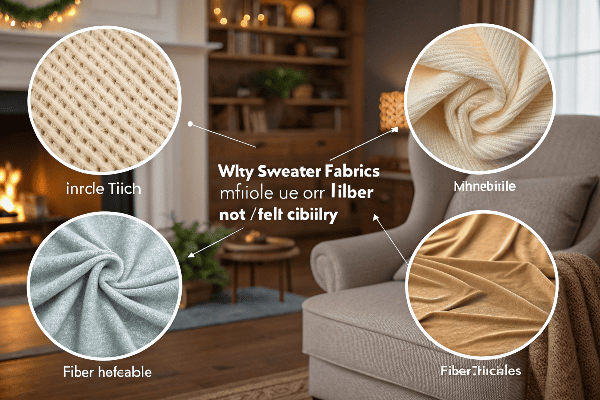
Fiber size and skin comfort
| Material | Avg. Micron Size | Itch Level |
|---|---|---|
| Regular Wool | 30–40 microns | High |
| Merino Wool (fine) | 18–21 microns | Low |
| Extra Fine Merino | 16–18 microns | Very Low |
| Cashmere | 14–16 microns | Ultra-soft |
| Cotton/Bamboo/Modal | Not applicable | Zero |
Learn more from Woolmark’s guide to wool fiber micron counts and why they matter for softness.
Thinner fibers bend more easily and don’t irritate skin the way thicker ones do.
What natural sweater materials are itch-free?
Some fibers are soft by nature—even without blending or treatment.
Cotton, cashmere, and bamboo are naturally smooth and breathable, making them ideal for anyone with sensitive skin.
Best natural fabrics for soft sweaters
| Material | Texture Feel | Best For |
|---|---|---|
| Cotton | Soft, breathable | Layering, all-season wear |
| Cashmere | Silky, warm | Premium lightweight sweaters |
| Bamboo rayon | Cool, smooth | Allergy-prone or hot climates |
I often recommend bamboo-viscose blends to brands targeting eco-friendly, comfort-driven customers.
Are there synthetic materials that don’t itch?
Yes—especially when blended or brushed.
Acrylic, modal, and rayon are synthetic or semi-synthetic fibers that can be blended with cotton or wool to improve softness without adding itch.
Blends that reduce irritation
| Material/Blend | Characteristics |
|---|---|
| Modal-Cotton Blend | Extremely soft and stretchy |
| Acrylic-Nylon Blend | Lightweight, low irritation |
| Rayon-Spandex Mix | Smooth, flexible, breathable |
Explore the difference between synthetic sweater fibers in Smartwool’s fabric technology guide.
These are commonly used in budget-friendly sweaters that still feel soft to the touch.
What sweater materials should you avoid if you're sensitive?
Not all warm fibers are comfortable.
Avoid low-grade wool, alpaca, and mohair if you have skin sensitivity. Even blends with small percentages of these can cause discomfort.
High-itch risk materials
- Coarse sheep wool – Often used in traditional knits
- Mohair – Silky but can feel scratchy without lining
- Alpaca – Soft to some, but not hypoallergenic
- Wool blends without softeners – Cheap blends often skip comfort testing
Always check the care label—or ask your supplier for fabric samples—before buying in bulk or for personal wear.
Conclusion
The most comfortable, non-itchy sweater materials include cotton, cashmere, bamboo, modal, and fine merino wool. If softness matters to you or your customers, choose these materials and avoid coarse or untreated wool types.
- Itchiness is often caused by the micron size of fibers—those above 30 microns typically irritate skin, while those under 20 are skin-friendly.
- Cashmere goats produce undercoat fibers that are naturally soft, leading to ultra-comfortable sweaters.
- Bamboo viscose is popular in loungewear due to its breathability, moisture-wicking, and hypoallergenic properties.
- Modal and rayon are semi-synthetic fibers made from plant cellulose and treated to create soft, skin-friendly yarns.
- According to Harvard’s science blog, merino wool owes its comfort to thin, crimped fibers that trap heat but avoid irritation.