
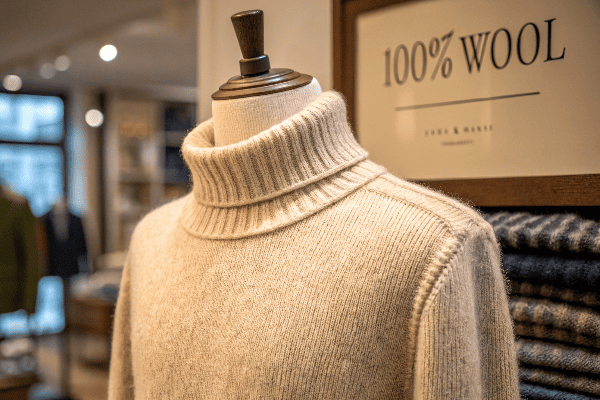
Wool is warm, durable, and naturally insulating—but many people hesitate before buying a 100% wool sweater. The reason? That dreaded itch. But is all wool really uncomfortable to wear?
A 100% wool sweater can be itchy, depending on the type of wool used. Coarser wools like traditional sheep’s wool may irritate sensitive skin, while finer varieties like merino wool or cashmere feel soft and smooth.
When I work with fabric suppliers, one of the first things we test for with wool sweaters is touch comfort. Because not all “100% wool” feels the same.
Table of Contents
- Why does wool feel itchy on the skin?
- Can you reduce itchiness from wool sweaters?
- Is all 100% wool itchy—or are there exceptions?
- Conclusion
Why does wool feel itchy on the skin?
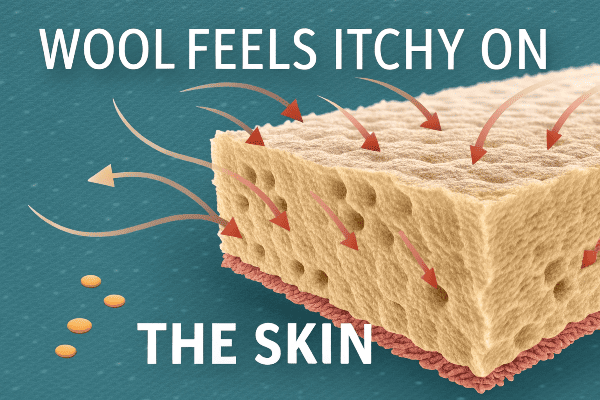
It comes down to fiber thickness and structure.
Wool fibers with a thicker diameter (measured in microns) have stiff edges that can poke into the skin, triggering a prickly or itchy sensation. Finer wools bend more easily and feel softer.
How fiber diameter affects feel
| Wool Type | Average Micron Size | Feel on Skin |
|---|---|---|
| Traditional wool | 30–40 microns | Coarse, often itchy |
| Merino wool (fine) | 18–21 microns | Soft, breathable |
| Extra-fine merino | 16–18 microns | Smooth, no itch |
| Cashmere | 14–16 microns | Luxuriously soft |
Learn more from The Woolmark Company about how micron count impacts wool comfort.
If your wool sweater feels itchy, it's probably made from standard-grade wool rather than fine-grade fibers.
Can you reduce itchiness from wool sweaters?
Yes—with both fabric care and layering.
Wearing a light cotton layer underneath, using fabric softeners made for wool, or gently washing the sweater with hair conditioner can reduce itchiness.
Tips to make wool sweaters more comfortable
- ✅ Layer underneath with a long-sleeve tee or thermal top
- ✅ Soak with conditioner in cold water to soften fibers
- ✅ Use a wool-specific detergent like Eucalan
- ✅ Avoid high heat drying, which can stiffen wool fibers
For more fabric care tips, visit Smartwool’s guide to washing wool.
I’ve tested this process with several sweater samples—most coarse wools do feel noticeably softer after two to three gentle washes.
Is all 100% wool itchy—or are there exceptions?
Not all wool is created equal.
100% merino wool or cashmere sweaters are rarely itchy and are often labeled as “itch-free.” However, generic “wool” labels may use lower-grade fibers that feel scratchy.
What to look for on the label
| Label Says... | What It Means |
|---|---|
| 100% Wool | Can be coarse unless specified |
| 100% Merino Wool | Usually soft and skin-friendly |
| 100% Cashmere | Softest, most luxurious |
| Wool Blend | Mixed with cotton, acrylic, or nylon |
Read REI’s wool clothing buying guide for more details on wool types and blends.
If comfort is your priority, always look for wool types listed by name—not just “wool” alone.
Conclusion
A 100% wool sweater can be itchy if it’s made from coarse fibers—but not all wool is the same. Choose merino or cashmere if you want warmth without the scratch, and use layering or softening tricks to make your sweater more wearable.
- Fiber diameter is measured in microns; lower microns = softer touch. According to Harvard’s School of Engineering, itchiness from wool is directly correlated with fiber thickness.
- Traditional sheep’s wool can include guard hairs that are thicker and coarser, contributing to discomfort.
- Merino wool is widely used in activewear and base layers due to its comfort and odor resistance.
- Fabric softeners made specifically for protein fibers (like wool and silk) help maintain elasticity and softness.
- Cashmere is considered one of the softest natural fibers available, sourced from the undercoat of cashmere goats.