



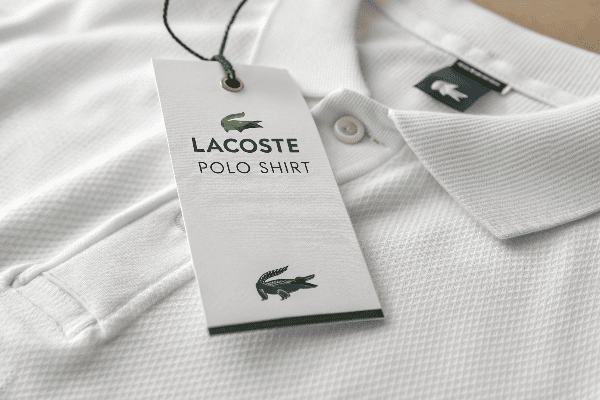
When you think of Lacoste, the image of their iconic polo shirts probably comes to mind. But have you ever wondered where these premium polos are made? Is there a particular place where the magic happens, or is it all mass-produced around the world?
Lacoste polo shirts are primarily made in France, where the brand's heritage began. However, due to global demand, they are also manufactured in several other countries, including Peru, Morocco, and China.
As someone familiar with garment manufacturing, I can tell you that Lacoste’s production facilities maintain high standards, no matter where they are located.
Table of Contents
- The Heritage of Lacoste Polo Shirts
- Global Manufacturing Network
- The Materials and Craftsmanship Behind Lacoste Polos
- What Makes Lacoste’s Polo Shirts Stand Out?
- Conclusion
The Heritage of Lacoste Polo Shirts
It all started in France.
Lacoste’s classic polo shirts have been manufactured in Troyes, France, since the brand was founded in 1933. The French factory is the birthplace of the original L.12.12 polo, which revolutionized casual wear.

The Troyes Factory
| Feature | Why It Matters |
|---|---|
| Location | Troyes, France – birthplace of Lacoste polos |
| Production Method | Handmade craftsmanship, high attention to detail |
| Quality Control | 25 checks for each polo before shipment |
Lacoste’s French production maintains a reputation for exceptional quality, and the Troyes facility serves as its historical flagship[^1].
Global Manufacturing Network
Lacoste doesn’t rely solely on France.
To meet international demand, Lacoste also manufactures its polo shirts in various countries, including Peru, Morocco, Tunisia, El Salvador, China, and Vietnam. These facilities are licensed and must maintain the same high standards that Lacoste is known for.
Manufacturing Locations
| Country | Facility Function |
|---|---|
| Peru | Cotton sourcing and fabric production |
| Morocco | Stitching and assembly |
| China & Vietnam | Large-scale production, mainly for global markets |
| Tunisia & El Salvador | High-quality production with local craftsmanship |
According to Lacoste, every factory is held to the same rigorous quality and environmental standards under its CSR commitments【^2】.
The Materials and Craftsmanship Behind Lacoste Polos
It’s not just where they’re made—it’s how.
Lacoste polos are known for their high-quality cotton and piqué fabric, which has become synonymous with the brand. The fabric is soft, breathable, and durable, making it ideal for both style and comfort.
Why Lacoste’s Polo Fabric Matters
| Material Type | Benefits |
|---|---|
| Cotton Piqué | Lightweight, breathable, and durable |
| Organic Cotton | Sustainable, eco-friendly fabric |
| Polyester Blends | Adds stretch, reduces wrinkles |
Lacoste has even pledged that 100% of its cotton will be sustainably sourced by 2025[^3].
What Makes Lacoste’s Polo Shirts Stand Out?
It’s about craftsmanship and legacy.
Each Lacoste polo is carefully crafted with attention to detail. The iconic crocodile logo is embroidered with precision, and the fit is tailored for comfort and style. The brand’s dedication to quality makes its polos a symbol of sophistication and casual elegance.
Key Features of Lacoste Polos
| Feature | Why It’s Iconic |
|---|---|
| Crocodile Logo | Recognizable, embroidered with precision |
| Classic Fit | Comfortable and timeless |
| Durability | High-quality materials and stitching |
Many consumers recognize Lacoste polos as a luxury staple—both fashionable and long-lasting.
Conclusion
Lacoste’s polo shirts are made in France, where the brand's legacy began, but to meet global demand, they are also manufactured in countries like Peru, Morocco, China, and Vietnam. Despite their global reach, Lacoste maintains high standards of quality, ensuring that every polo, no matter where it’s made, reflects the brand’s commitment to craftsmanship and style.
For more about Lacoste’s manufacturing process and product offerings, visit their official site: Lacoste.com.
[^1]: Troyes, France remains the historical hub for Lacoste’s polo shirt production and is still used for premium lines such as the L.12.12 Made in France series.
[^2]: Lacoste’s global factories operate under its corporate social responsibility guidelines, which include environmental and ethical standards: CSR at Lacoste.
[^3]: Lacoste has committed to sustainable cotton sourcing and environmental initiatives under its “Durable Elegance” program: Lacoste Sustainability.