

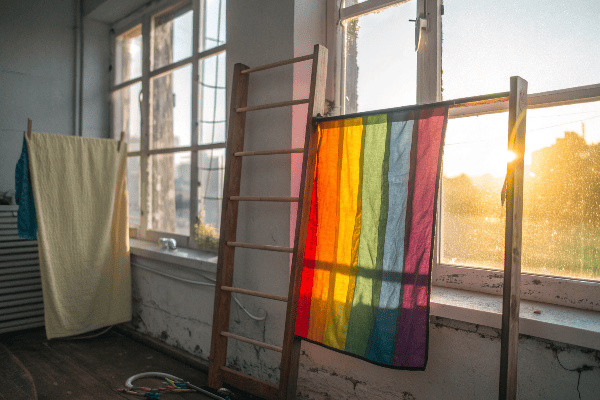
Ever left your favorite T-shirt near a sunny window and noticed it lost its color? That’s sun fading in action. It doesn’t happen overnight, but over time, light exposure changes the way fabrics and dyes look—and not in a good way.
Sun fade happens when ultraviolet (UV) rays from sunlight break down the chemical bonds in dyes and fabrics, causing colors to lighten and deteriorate over time.
I’ve seen beautiful clothes and printed hoodies lose their charm just from being stored in direct sunlight. Once you understand how sun fade works, you’ll know how to prevent it—or at least slow it down.
Table of Contents
- What causes sun fading?
- What types of materials fade the fastest?
- How does sun fading affect printed garments?
- How can you prevent sun fading?
- Conclusion
What causes sun fading?
Not all light is the same—UV rays are especially harmful to fabric.
UV radiation breaks down molecular bonds in dyes and materials, changing their structure and reducing color intensity.
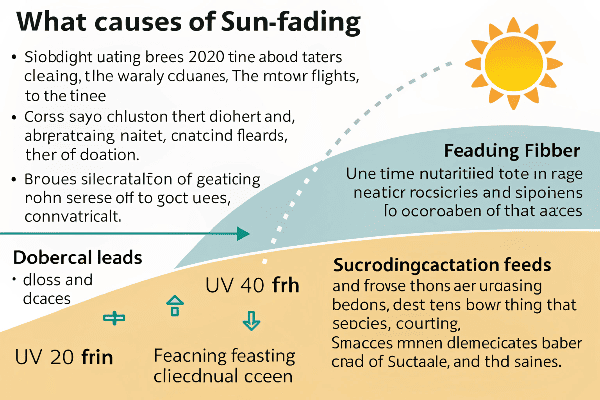
Science behind fading
| Cause | Description |
|---|---|
| UV radiation | High-energy rays that damage pigment molecules[^1] |
| Heat | Accelerates chemical reactions that break down dyes |
| Oxygen exposure | Oxidizes dyes and speeds up degradation |
These combined effects strip away vibrancy, especially in natural fabrics like cotton and linen.
What types of materials fade the fastest?
Not all fabrics respond to sunlight the same way.
Natural fibers like cotton, silk, and wool fade faster than synthetics like polyester or nylon.
Material sensitivity to sun
| Fabric Type | Fade Resistance | Notes |
|---|---|---|
| Cotton | Low | Fades easily but breathable |
| Polyester | High | More UV-resistant[^2] |
| Wool | Low | Can weaken and discolor over time |
| Nylon | Medium | Slightly better than cotton |
| Linen | Low | Fades quickly without protection |
Darker colors also fade more noticeably than lighter tones.
How does sun fading affect printed garments?
If you print graphics on your hoodie or shirt, sun fade can ruin both the fabric and the design.
Printed areas may crack, peel, or lose color faster than the fabric itself—especially with heat transfer or low-quality inks.
What to expect with prints
| Print Type | Fade Resistance | Remarks |
|---|---|---|
| Screen print | Moderate | Holds up better with UV protection |
| Heat transfer print | Low | Can crack and fade in the sun[^3] |
| DTG (direct to garment) | Medium | Fades gradually, especially on cotton |
UV-protective coatings or inks can reduce damage but not fully prevent it.
How can you prevent sun fading?
You don’t have to stop wearing your favorite hoodie—just be smart about exposure.
To prevent sun fade, limit direct sunlight, use UV-blocking sprays, and wash clothes inside-out in cold water.
Easy prevention tips
| Method | Why It Works |
|---|---|
| Store in shade or closet | Reduces daily UV exposure |
| Use fabric protectants | Adds UV resistance layer[^4] |
| Wash inside-out | Protects exterior from UV + friction |
| Dry indoors or in shade | Avoids concentrated sun damage |
Also, avoid prolonged sun exposure when drying clothes outdoors.
Conclusion
Sun fading is caused by UV rays breaking down dye and fabric structure. It affects natural fibers the most, especially darker colors. But with the right storage and care, you can keep your clothes looking bright and bold much longer.
[^1]: National Park Service - How Light Fades Textiles
[^2]: ScienceDirect - UV Degradation in Textiles
[^3]: Printing United Alliance - How Heat Transfer Prints Respond to UV
[^4]: Consumer Reports - Fabric UV Sprays Tested