
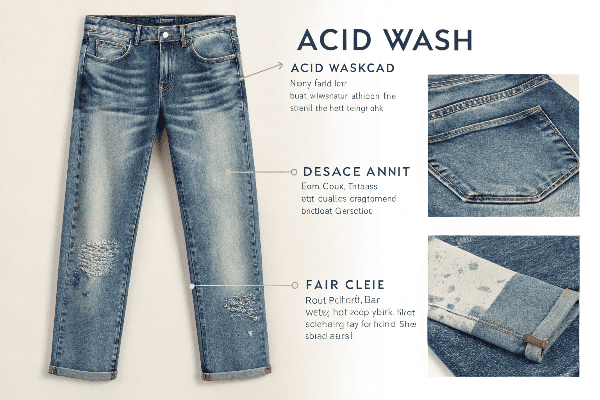
Acid wash clothing gives garments a distinctive, faded, and distressed look—think of it as a vintage vibe with an edgy twist. But how exactly is it made, and why has it remained popular across decades?
Acid wash clothing is made by using bleach or pumice stones to distress the fabric, creating a unique, mottled pattern. The process gives clothes a worn-in, faded appearance, often seen in denim jeans, jackets, and hoodies.
The acid wash technique is not just about creating visual appeal—it's about offering a piece that looks well-loved and unique. Here's how it works and why it became such a staple in fashion.
Table of Contents
- How is acid wash clothing made?
- Why is it called "acid wash"?
- What types of clothing are acid-washed?
- Why is acid wash so popular?
- Conclusion
How is acid wash clothing made?
The acid wash process involves treating fabric with bleach or chemicals that remove color in some areas, giving it a lighter, uneven appearance.
To make acid-washed clothes, manufacturers soak the fabric in a bleach solution and then use pumice stones or abrasives to rub the fabric, allowing the bleach to create the mottled effect.
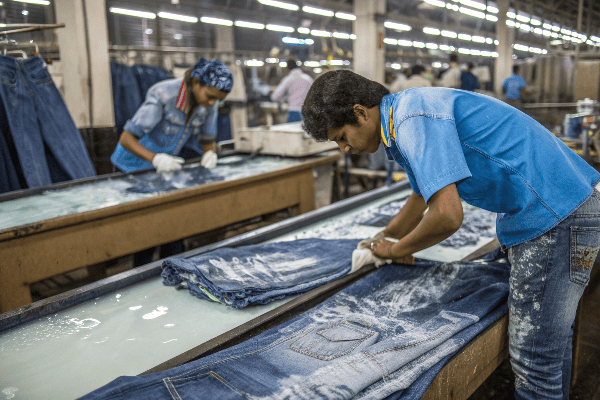
Steps in the acid wash process
| Step | Description |
|---|---|
| Fabric treatment | The garment is soaked in bleach or chlorine solution |
| Distressing | Pumice stones or abrasives are used to scrub the fabric |
| Rinsing | The garment is rinsed to remove excess bleach |
| Drying | Finally, the garment is air-dried, leaving behind the distinct faded look |
This process is what gives acid wash clothes their trademark distressed and random light-and-dark patterns.
Why is it called "acid wash"?
The term "acid wash" refers to the original technique of using strong acids to bleach denim.
While most modern acid washing uses bleach instead of actual acid, the term has stuck because of its association with the edgy, rebellious vibe of 1980s fashion.
History of acid wash
| Era | Popularity & Usage |
|---|---|
| 1980s | Acid wash became iconic, especially for denim |
| 1990s | The trend spread to other fabrics like jackets and sweatshirts |
| 2020s | Vintage resurgence brings acid wash back into mainstream fashion |
The term has become synonymous with distressed, vintage-style clothing, particularly in the denim world.
What types of clothing are acid-washed?
While the technique started with jeans, acid washing has since been applied to various garments.
Jeans, jackets, hoodies, and even accessories like bags are now commonly made with acid-wash techniques.
Popular acid-wash garments
| Clothing Item | Why It's Popular |
|---|---|
| Jeans | Denim looks amazing with that worn-in, textured effect |
| Jackets | Adds a rugged vibe to casual outerwear |
| Hoodies | Perfect for streetwear, offering both comfort and style |
| Bags | Vintage look adds character and uniqueness |
Acid wash is versatile—it gives a cool, casual feel to both classic and trendy pieces.
Why is acid wash so popular?
Acid wash clothing became popular in the 1980s and has remained a classic ever since, thanks to its unique look.
The trend is timeless because it evokes nostalgia for past decades, and the distinctive look helps pieces stand out.
Why acid wash is still relevant
- Nostalgia: A connection to the 80s and 90s, eras known for rebellious fashion choices.
- Uniqueness: No two acid-washed pieces are the same, which appeals to customers seeking one-of-a-kind items.
- Versatility: Works across many fabric types—from denim to cotton to blends.
Acid wash clothing continues to appeal to consumers looking for a mix of comfort, nostalgia, and edgy style.
Conclusion
Acid wash clothing stands out because of its distressed, vintage-inspired look. Through the use of bleach or pumice stones, it gives garments a unique, worn-in appearance. Popular in the 80s and 90s, it has now made a comeback, proving that classic styles never truly go out of fashion. Whether it’s denim, hoodies, or jackets, acid wash brings an unmistakable style that’s both timeless and rebellious.
[^1]: Vintage Revival of Acid Wash Clothing
[^2]: History of Acid Wash Technique