
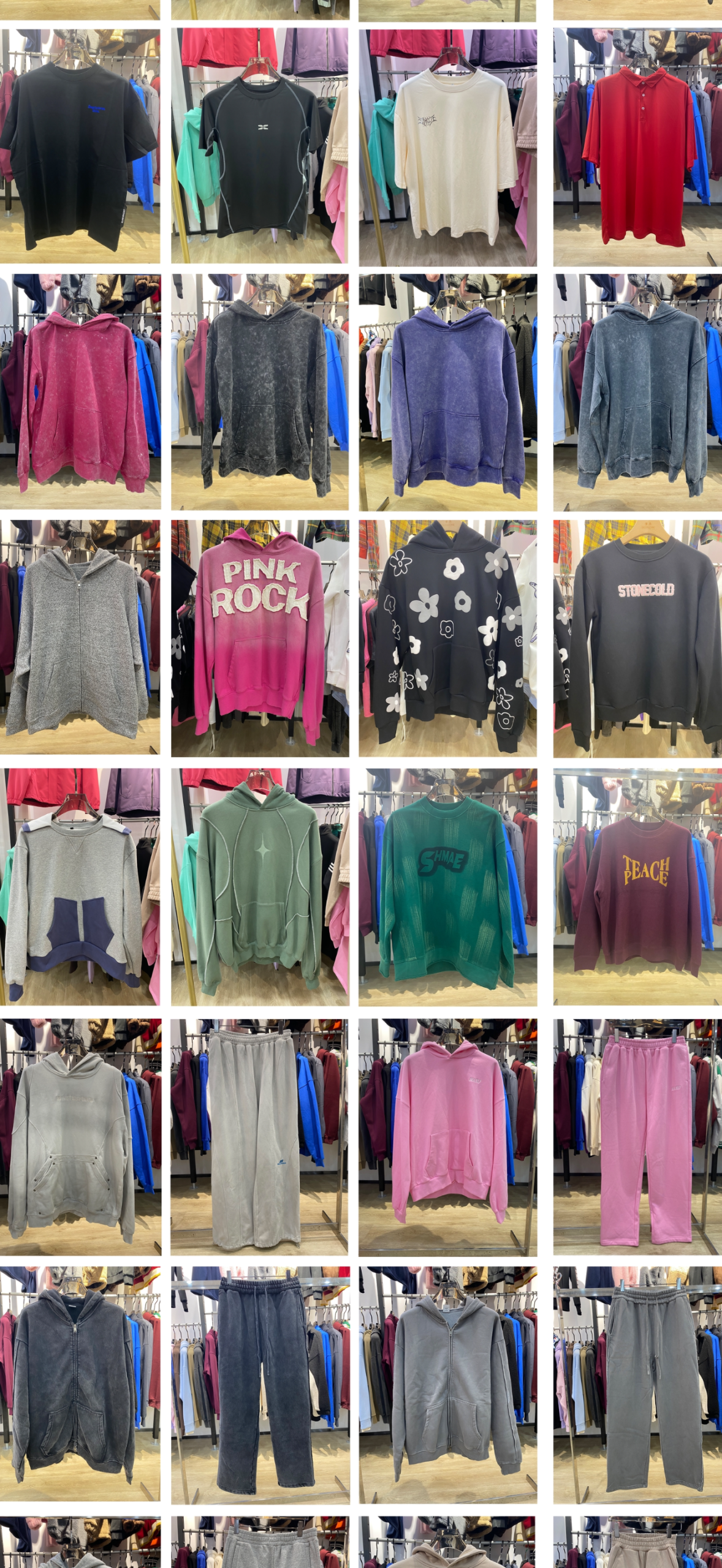
You're building a streetwear brand. The hoodie has to feel substantial — heavy, structured, premium the moment a customer picks it up. But every factory you contact promises "heavyweight" and ships you something that feels like an undershirt. Without knowing what real heavyweight construction looks like, you can't tell the difference until 500 pieces are already on a boat.
A heavyweight hoodie manufacturer specializes in fabrics 380gsm and above, often reaching 500gsm or 600gsm for premium streetwear. The right factory understands fabric weight, brushed fleece vs French terry vs loop terry construction, bonded fabric options, and how heavyweight pieces hold up through washing, distressing, and decoration. Most factories cannot truly produce this category — they substitute lighter fabric and hope no one weighs it.
I've run a hoodie factory in Dongguan for over 20 years. I've made everything from 280gsm basics to 600gsm winter pieces with bonded inner fleece. Streetwear brands obsessed with fabric weight come to us when other factories let them down. Here's what every brand owner needs to know before placing a heavyweight hoodie order.
Table of Contents
- What GSM Is Considered Heavyweight for Hoodies?
- What Fabric Blends Work Best for Heavyweight Hoodies?
- How to Verify Fabric Weight Before Placing Bulk Orders?
- What Customization Works Well on Heavyweight Hoodies?
- Which Streetwear Brands Favor Heavyweight Hoodies?
- How Much Does a Heavyweight Hoodie Cost to Manufacture?
- Conclusion
What GSM Is Considered Heavyweight for Hoodies?
GSM is the most misused term in hoodie sourcing. Buyers ask for "heavyweight" without specifying what that means. Factories say "heavyweight" without delivering it. The result is a constant gap between expectation and reality.
A hoodie is generally considered heavyweight starting at 380gsm. Mid-heavyweight sits between 380gsm and 450gsm. Premium heavyweight reaches 450gsm to 500gsm. Anything above 500gsm enters specialty territory — used by streetwear brands wanting maximum structure and weight. A 280gsm hoodie marketed as "heavyweight" is misleading.
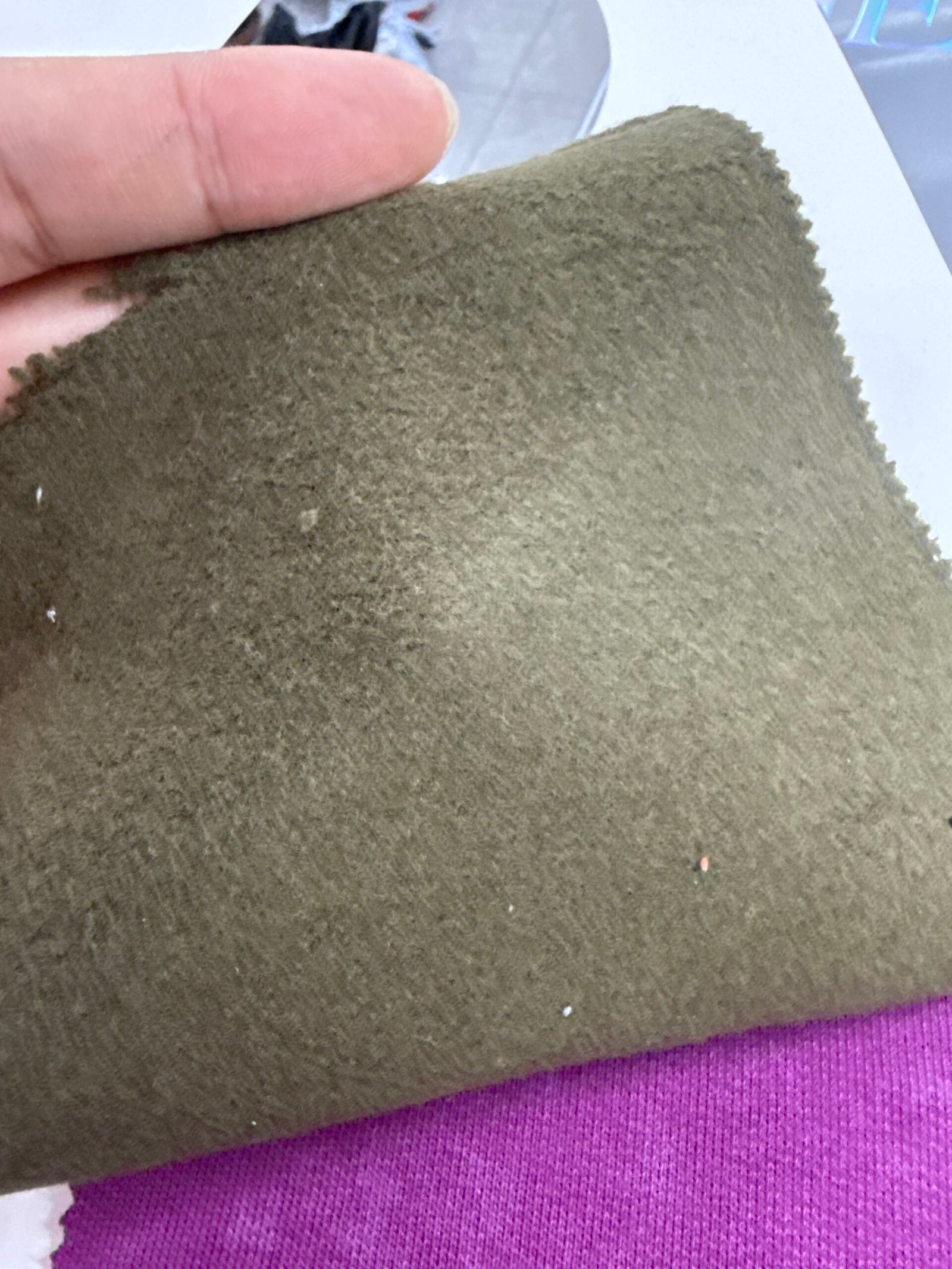
The number on the spec sheet matters less than what it actually feels like in your hands. Let me break down what each weight category really means.
GSM Categories and What They Feel Like
| GSM Range | Category | Feel | Typical Use |
|---|---|---|---|
| 200–280gsm | Lightweight | Thin, drapey | Spring tees, light hoodies |
| 280–340gsm | Standard | Soft, flexible | Everyday hoodies |
| 340–380gsm | Mid-weight | Substantial, structured | Quality basics |
| 380–450gsm | Heavyweight | Thick, sturdy | Streetwear, premium brands |
| 450–500gsm | Premium heavyweight | Heavy, holds shape | Limited drops, statement pieces |
| 500gsm+ | Specialty heavyweight | Very heavy, structured | Winter streetwear, archive pieces |
Why Streetwear Brands Care So Much About GSM
Streetwear customers obsess over fabric weight the way audiophiles obsess over headphones. The weight isn't just a number — it's how the garment communicates value.
A 280gsm hoodie drapes and flows. A 450gsm hoodie sits and holds shape. A 600gsm hoodie commands physical presence the moment it's on the hanger. For brands building on that feeling, switching to lighter fabric to save money kills the entire product identity.
Most of my streetwear clients won't negotiate on weight. I've offered to drop their GSM to bring costs down — they don't want it. They'd rather pay more and keep the weight than save money and lose the feel. That obsession is what defines the category.
The 600gsm Story
The heaviest fabric I've personally worked with for a hoodie was 600gsm loop terry. The first time we made a sample at that weight, I had to ship it to the client — and badly miscalculated the shipping cost. The package was so heavy the courier upcharged us significantly. I'd been quoting shipping based on lighter samples for years. That batch taught me 600gsm changes everything — fabric usage, sewing time, courier cost, even folding for packaging.
For most brands, 600gsm is overkill. For a few — collectors of specific archive pieces, brands building winter-only drops, designers chasing maximum physicality — it's the only weight that works.
What Fabric Blends Work Best for Heavyweight Hoodies?
The GSM number alone doesn't tell you what a heavyweight hoodie will feel like. Two hoodies at 420gsm can feel completely different depending on the fabric blend, the construction, and the finishing process.
The best fabric blends for heavyweight hoodies are 100% cotton French terry (380–450gsm), brushed fleece cotton-poly blends (380–500gsm), and loop terry constructions (400–600gsm). Cotton-spandex adds slight stretch without sacrificing weight. For specialty applications, bonded fabric combines loop terry on the outside with brushed fleece on the inside — pushing total weight beyond 600gsm.
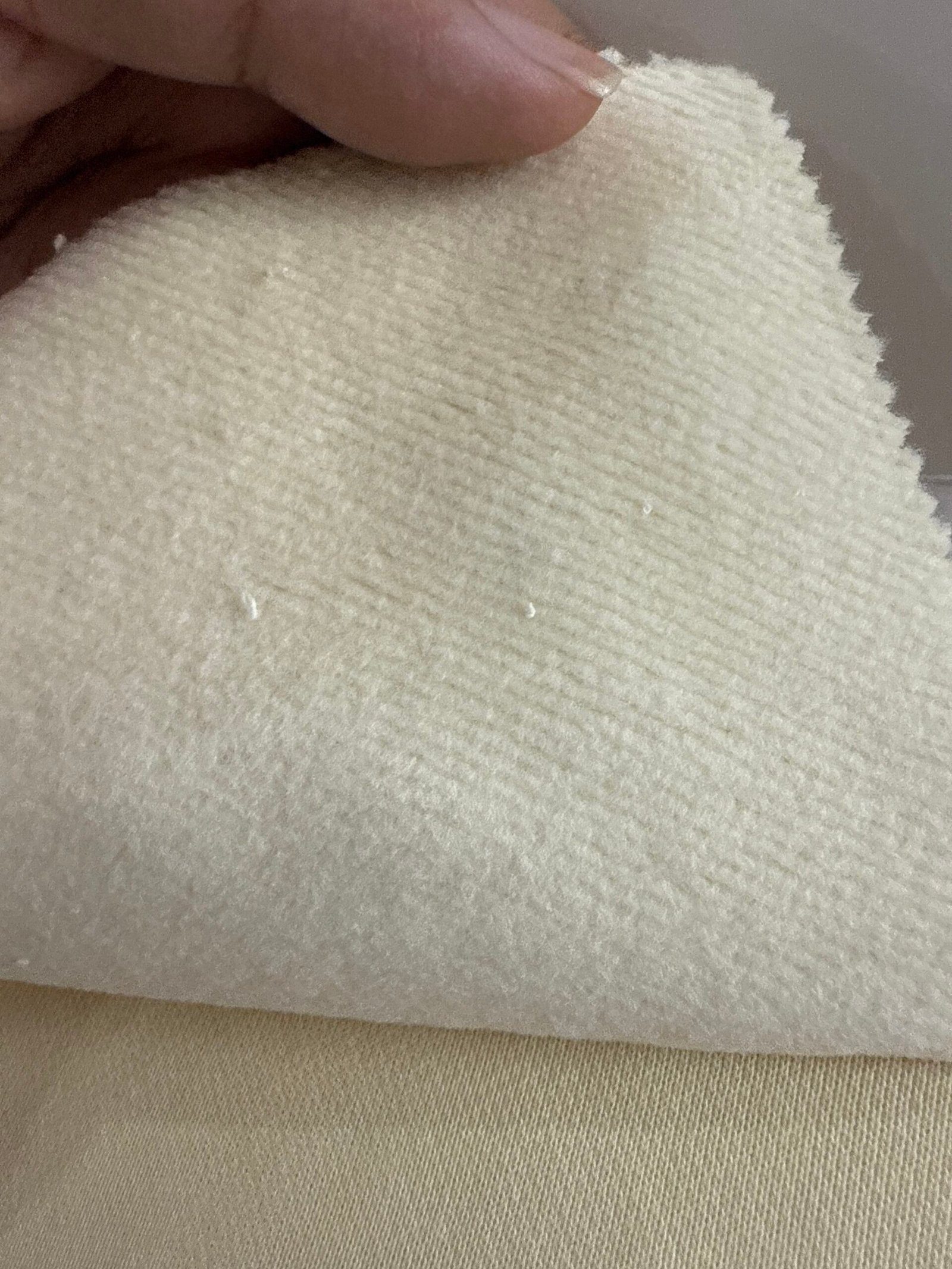
Each fabric type behaves differently when sewn, washed, and worn. Knowing the differences helps you pick the right base for your brand.
Heavyweight Fabric Types Explained
French Terry
The most versatile heavyweight base. Loops on the inside, smooth knit face on the outside. Works at every weight from 280gsm to 500gsm. Takes prints, embroidery, and washes well. Most premium streetwear hoodies start here.
Brushed Fleece
French terry that's been mechanically brushed on the inside to raise a soft, fuzzy nap. Adds warmth and softness against the skin. Common in winter-weight hoodies from 380gsm to 480gsm. The brushing process is what makes it feel "cozy" instead of just "heavy."
Loop Terry (Outer Loops)
Reverses the construction — loops face outward. This creates a textured, almost terrycloth surface that's heavy and visually distinctive. Common in Japanese-inspired streetwear and archive pieces. Comfortable weight range: 400gsm to 600gsm.
Bonded Fabric (Composite Construction)
This is where things get advanced. Two fabrics laminated together with hot-melt film or chemical adhesive. One client of mine wanted loop terry on the outside for the texture, with brushed fleece bonded on the inside for warmth. The combined weight pushed past 600gsm easily. It's not a standard option at most factories — it requires specialized lamination equipment and tight quality control on the bonding adhesive.[^1]
Fabric Composition Comparison
| Fabric | Composition | Weight Range | Best For |
|---|---|---|---|
| 100% cotton French terry | Cotton | 380–500gsm | Classic streetwear, premium feel |
| Cotton-poly fleece (80/20) | Cotton + polyester | 380–480gsm | Durability, less shrinkage |
| Cotton-spandex blend | Cotton + spandex (95/5) | 380–450gsm | Slight stretch, body-conscious fit |
| Loop terry | 100% cotton or blend | 400–600gsm | Heavyweight specialty pieces |
| Bonded composite | Multiple layers laminated | 500–900gsm | Premium winter, technical streetwear |
| Organic cotton fleece | GOTS organic cotton[^2] | 380–460gsm | Sustainable premium brands |
When to Choose Each Blend
- Brand built on classic streetwear DNA: 420gsm French terry, 100% cotton
- Brand competing on warmth (winter drops): 450gsm brushed fleece, 80/20 blend
- Brand chasing maximum heft and texture: 500–600gsm loop terry
- Brand for performance or active streetwear: Cotton-spandex blend, 400gsm
- Brand built on sustainability claims: GOTS-certified organic cotton fleece
How to Verify Fabric Weight Before Placing Bulk Orders?
GSM verification is non-negotiable when you're paying premium prices for heavyweight construction. Factories know buyers can't easily check weight, which is why fabric substitution is the most common quality issue I see in heavyweight hoodie orders.
To verify fabric weight before bulk, ask for a fabric spec sheet, weigh a 1-square-meter cut from the sample, allow up to 5% variance from the stated GSM, request third-party lab testing for high-value orders, and watch for substitution at the bulk stage. Always weigh the bulk sample against the original approved sample — they should match within 5%.
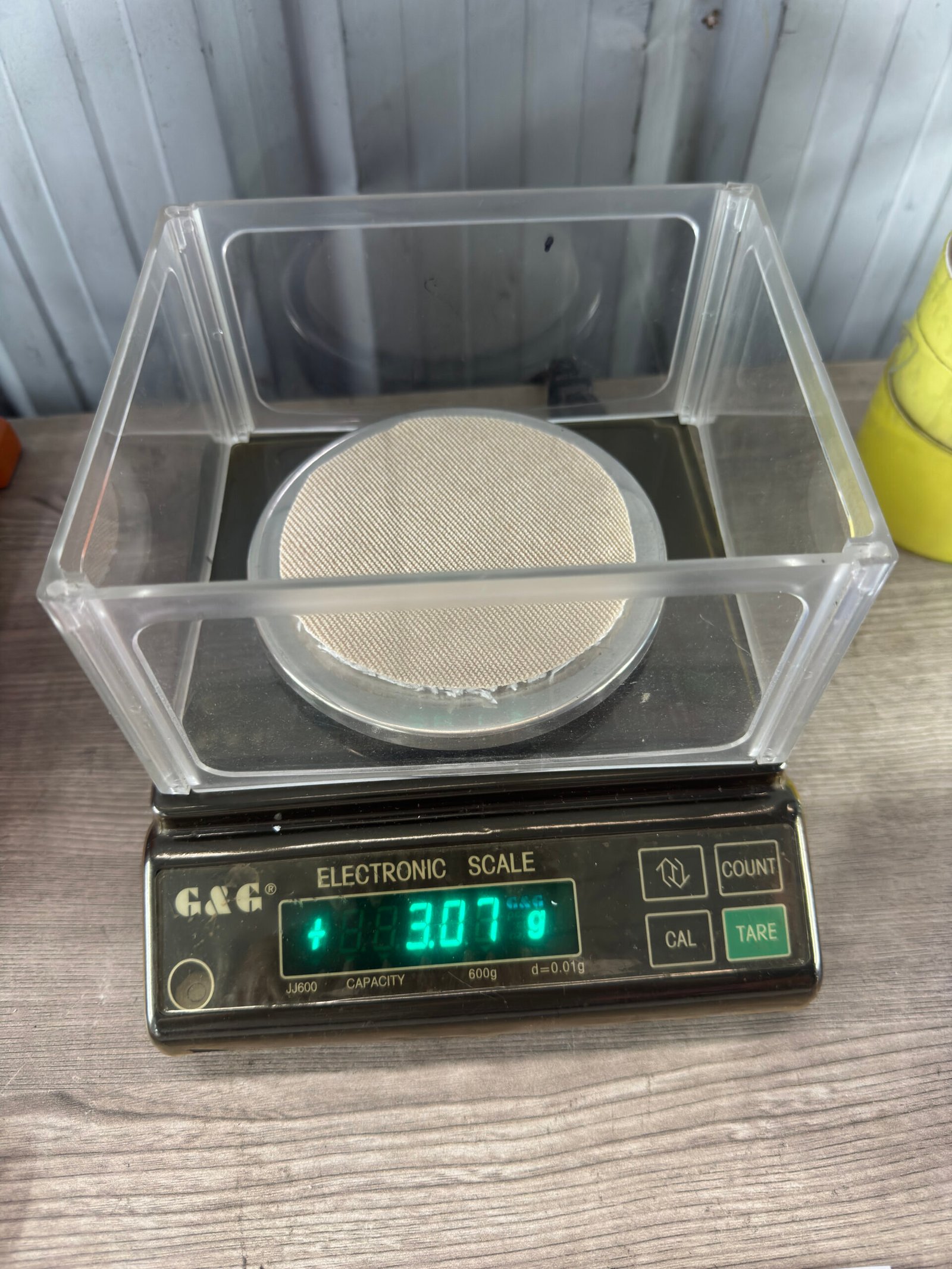
Verification protects you at two stages: sample approval and bulk delivery. Both matter equally. At our factory, we weigh fabric directly with a digital scale on every sample and bulk run — the number on the scale doesn't lie.
The Step-by-Step Verification Process
Step 1: Get the Fabric Spec Sheet
Before sampling, ask the factory for a fabric specification sheet listing GSM, composition, knit type, and color. This is the document you'll measure everything else against.
Step 2: Weigh the Sample Fabric
When the sample arrives, cut a 1-square-meter piece (or any precise area), weigh it on a digital scale, and calculate the GSM. Compare against the spec sheet.
| Stated GSM | Acceptable Range (±5%) | Substitution Warning |
|---|---|---|
| 380gsm | 361–399gsm | Below 360gsm |
| 420gsm | 399–441gsm | Below 395gsm |
| 450gsm | 427–473gsm | Below 425gsm |
| 500gsm | 475–525gsm | Below 470gsm |
Step 3: Send to a Third-Party Lab (Optional but Recommended)
For orders above $5,000, a third-party fabric lab test costs $30–$80 and gives you an unbiased GSM measurement. SGS, Intertek, and Bureau Veritas all offer this service in China.
Step 4: Match Bulk Against Sample
This is where most buyers get burned. The sample matches the spec. Bulk arrives 30gsm lighter. By then the order is paid and shipped.
Always demand a pre-shipment fabric check. Cut a swatch from a random bulk piece, weigh it, compare against the approved sample. If the variance is over 5%, the factory has substituted fabric and should be held accountable.
A Common Substitution Trick
Some factories quote a heavyweight GSM, deliver a perfect sample, then quietly substitute lighter fabric for bulk to widen their margin. Buyers don't catch it because the hoodies still feel "heavy enough" — until customers start comparing them to the original sample they saw on Instagram.
The defense is simple: weigh the bulk before payment, not after. Factories that won't allow pre-shipment fabric verification have something to hide.
What Customization Works Well on Heavyweight Hoodies?
Heavyweight fabric opens up customization options that lightweight fabric can't handle. The fabric itself can take more — heavier prints, deeper embroidery, more aggressive washes. The challenge is knowing what works and what doesn't.
Heavyweight hoodies work especially well with screen printing (puff, plastisol, discharge), 3D and puff embroidery, applique patches, garment-dyed treatments, enzyme wash, distressing, and chenille embroidery. Heavyweight fabric stands up to aggressive treatments that would destroy lighter hoodies — making it the preferred base for vintage washed, distressed, and complex multi-technique streetwear pieces.
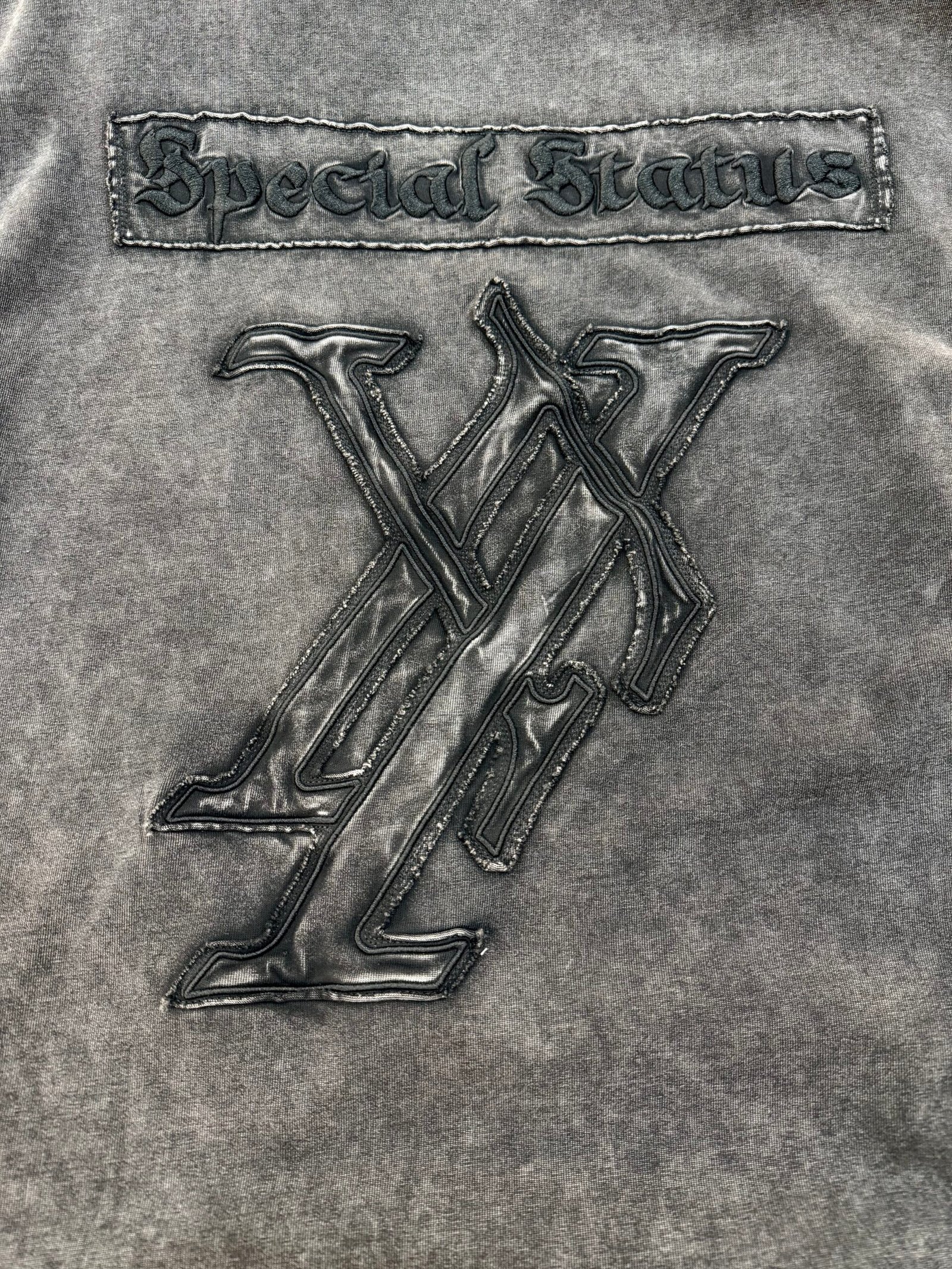
The combinations are nearly limitless. The trick is sequencing them in the right order — and knowing which combinations stress the fabric too much.
Decoration Techniques That Excel on Heavyweight
Puff Print
The heavier the fabric, the better puff print holds its raised texture. On 400gsm+ French terry, puff print becomes the signature streetwear effect. On a 280gsm shirt, the same print looks flat and floppy.
3D Puff Embroidery
A foam insert is stitched over and creates a raised, sculpted logo. Heavyweight fabric supports the foam without distortion. This is why sport-inspired streetwear (think baseball caps, varsity jackets) almost always uses this technique on heavier bases.
Applique Patches
Cut-and-sew patches sewn directly onto the front or back. Heavyweight fabric prevents the patch from puckering or distorting the garment shape. Common in archive-inspired streetwear and military-style pieces.
Discharge Print
Bleaches the dye out of the fabric in the print area, leaving a soft hand feel. Works best on dyed-through cotton, which means heavyweight cotton (380gsm+) gives the deepest, richest discharge effect.
Wash Treatments Designed for Heavyweight
| Treatment | What It Does | Best For |
|---|---|---|
| Enzyme wash | Softens fabric, slight fade | All heavyweight hoodies |
| Garment dye | Color applied after sewing for unique variation | Premium streetwear |
| Stone wash | Adds texture and worn appearance | Vintage-inspired drops |
| Acid wash | Bold marbled bleaching effect | Statement pieces |
| Distressing | Hand-applied tears and frays | Punk, grunge, archive aesthetics |
| Sun-bleached | Faded, beach-worn look | West Coast streetwear |
The Importance of Sequence
Multi-technique heavyweight hoodies require strict sequence control. Get the order wrong and the whole piece is ruined.
For a complex piece with print, embroidery, wash, and distressing, the typical sequence is:
- Cut and sew the garment
- Apply enzyme or garment wash first
- Add screen print or DTG decoration
- Add embroidery and patches after print sets
- Apply distressing (controlled by hand)
- Final QC and packaging
A factory that runs decoration before wash will end up with cracked prints and falling-off patches. The order matters as much as the techniques themselves.
Which Streetwear Brands Favor Heavyweight Hoodies?
Heavyweight hoodies aren't a universal trend — they're tied closely to streetwear culture. Understanding which brands build their identity on heavyweight construction helps you benchmark fabric choices and decide where your brand fits.
Streetwear brands that center heavyweight construction include Fear of God Essentials, Stüssy, Aimé Leon Dore, Cole Buxton, Hellstar, Stone Island (heavyweight technical), and emerging Japanese archive labels. Most operate in the 380–500gsm range, with limited drops sometimes pushing into 600gsm+ specialty territory. Heavyweight is the price of entry into premium streetwear positioning.
Looking at established brands gives you a benchmark — but it shouldn't define your brand. The best heavyweight hoodies aren't copies; they're informed interpretations.
Why Heavyweight Defines the Category
Premium streetwear sells on physical experience as much as visual design. The customer holds the hoodie, feels the weight, and immediately recognizes "quality." That moment is what justifies a $150 price tag versus a $50 fast-fashion alternative.
The heavyweight feel does the marketing for you. Lightweight construction undermines the entire positioning, no matter how good the graphic looks.
What Streetwear Brands Look For in a Factory
When streetwear brand owners come to me, they ask different questions than mainstream apparel buyers:
- "What's the maximum GSM you can produce?"
- "Can you do bonded fabric?"
- "What's your minimum on enzyme + garment dye?"
- "Can you handle distressing without ruining the fabric integrity?"
- "Do you have French terry options at 450gsm+ in stock?"
These questions tell me the buyer understands what they're building. Factories that can't answer them confidently aren't ready to serve the streetwear segment.
Common Streetwear Heavyweight Specs
| Brand Tier | Typical GSM | Common Treatments |
|---|---|---|
| Entry premium | 380–400gsm | Single decoration, minimal wash |
| Mid premium | 400–450gsm | Multi-print + enzyme wash |
| Top premium | 450–500gsm | Multi-technique + distressing |
| Specialty/archive | 500–600gsm+ | Bonded fabric, complex layering |
How Much Does a Heavyweight Hoodie Cost to Manufacture?
Heavyweight hoodies cost meaningfully more to produce than standard hoodies. The fabric is more expensive per yard, requires more material per piece, and demands more careful production. Knowing the price structure helps you set realistic margins.
A heavyweight hoodie at 50-piece MOQ typically costs $18–$30 per piece (FOB China), depending on GSM, decoration, and wash treatment. A 420gsm French terry hoodie with single print starts around $18–$22. A 500gsm hoodie with multi-technique decoration and enzyme wash runs $25–$32. Bonded fabric specialty pieces can reach $35–$50 per piece at low MOQ.
These ranges reflect what real heavyweight production costs. Quotes significantly below this range usually mean the factory is substituting lighter fabric.
What Drives Heavyweight Hoodie Pricing
| Cost Factor | Impact on Price |
|---|---|
| Fabric GSM (380gsm vs 500gsm) | $3–$6 per piece difference |
| Fabric type (French terry vs bonded) | $4–$15 per piece |
| Decoration complexity | $1–$8 per piece |
| Wash treatment (enzyme, garment dye) | $2–$5 per piece |
| Custom embroidery and patches | $1–$5 per piece |
| Specialty trims (heavy zippers, drawcords) | $0.50–$2 per piece |
Pricing Tiers for Heavyweight Hoodies
Here's what 50-piece heavyweight hoodie orders typically run:
| Tier | Fabric | Decoration | Treatment | FOB Unit Price |
|---|---|---|---|---|
| Entry heavyweight | 380gsm French terry | Single screen print | None | ~$18–$22 |
| Mid streetwear | 420gsm French terry | DTG + embroidery | Enzyme wash | ~$22–$26 |
| Premium streetwear | 450gsm brushed fleece | Multi-print + patches | Garment dye + distressing | ~$28–$34 |
| Specialty heavyweight | 500–600gsm loop terry | Multi-technique | Wash + distressing | ~$32–$45 |
| Bonded composite | 600gsm+ laminated | Premium decoration | Specialty wash | ~$40–$55 |
Why "Cheap Heavyweight" Doesn't Exist
If you're quoted $12 for a "450gsm" custom hoodie, the math doesn't work. The fabric alone at that weight costs more than the entire quoted price. Either the factory is substituting lighter fabric or cutting corners somewhere else in construction.
Honest pricing in this category is higher than standard hoodie pricing, because the fabric input cost is genuinely higher. A factory that quotes realistically is one that intends to deliver what was promised.
How Pricing Drops at Volume
The same hoodie at different order volumes:
| Quantity | Approximate Unit Price |
|---|---|
| 50 pcs | Baseline |
| 200 pcs | 12–18% lower |
| 500 pcs | 20–28% lower |
| 1,000 pcs | 28–35% lower |
The drop is slightly smaller than on lightweight hoodies because the fabric cost is a larger share of the total — and fabric cost doesn't drop as much at volume as labor cost does.
Conclusion
A heavyweight hoodie manufacturer should specialize in 380gsm+ fabrics, understand French terry vs brushed fleece vs loop terry, and execute complex decoration and wash treatments without compromising fabric integrity. Streetwear brands built on heavyweight construction can't afford to settle for factories that substitute. If you're looking for a manufacturer that produces real heavyweight hoodies — from 380gsm to 600gsm+ bonded specialty pieces, starting at 50 pieces with samples in 7 to 14 days — visit www.dechoreal.com or email joe@dc-garment.cn.
References
[^1]: Bonded fabric construction in technical and streetwear apparel: https://textileexchange.org/
[^2]: Global Organic Textile Standard (GOTS) for organic cotton fleece: https://global-standard.org
[^3]: OEKO-TEX Standard 100 fabric safety certification: https://www.oeko-tex.com/en/our-standards/oeko-tex-standard-100