
You've designed your brand's first t-shirt. You're ready to launch. But every quote you get from China feels like a guessing game — different MOQs, different prices, different promises on quality. You need a clear answer on what private label t-shirt manufacturing actually means and what you should expect at each step.
A private label t-shirt manufacturer in China produces t-shirts under your brand name, with your custom design, fabric choice, labels, and packaging. The factory handles all production while you own the brand. The best private label factories accept low MOQ (50 pieces), offer real customization, and follow a proper sample-then-bulk process — no shortcuts.
I've run a clothing factory in Dongguan for over 20 years. I've worked with hundreds of t-shirt brands — some that grew into household names, others that learned hard lessons on their first order. Here's everything I tell new buyers before they place their first private label t-shirt order.
Table of Contents
- What Is Private Label T-Shirt Manufacturing?
- What's the Difference Between Private Label and White Label T-Shirts?
- What Customization Options Come Standard With Private Label T-Shirts?
- How Long Does Private Label T-Shirt Production Take?
- What Should You Check Before Signing With a Private Label Factory?
- How Much Does Private Label T-Shirt Manufacturing Cost?
- Conclusion
What Is Private Label T-Shirt Manufacturing?
The term "private label" gets thrown around loosely. Some buyers think it just means putting a logo on a blank. Real private label is more than that — and understanding the full scope matters before you sign with any factory.
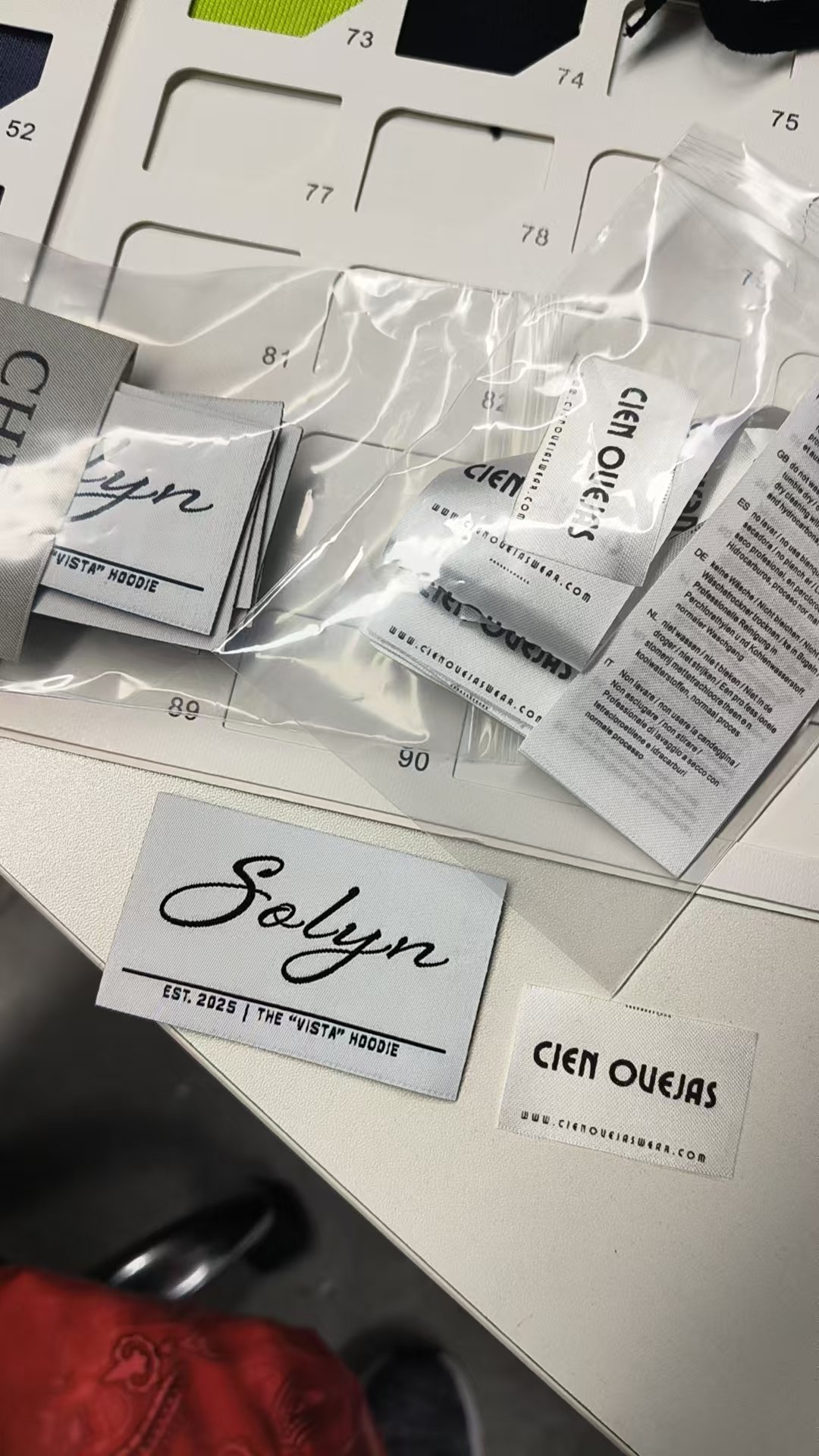
Private label t-shirt manufacturing means a factory produces t-shirts under your brand identity. You control the design, fabric, fit, decoration, labels, hangtags, and packaging. The factory handles sourcing, cutting, sewing, printing, and quality control. The final product carries only your brand — not the factory's.
In a true private label arrangement, no one buying the finished t-shirt should know which factory made it. That's the point. The product belongs to your brand.
What Private Label Actually Covers
A full private label t-shirt order includes:
| Element | What Gets Customized |
|---|---|
| Garment design | Fit, neckline, hem, sleeve length |
| Fabric | Weight, composition, color |
| Decoration | Print, embroidery, patches |
| Brand label | Woven label inside neck |
| Care label | Material and washing info |
| Hangtag | Cardboard or fabric hangtag with logo |
| Packaging | Custom polybag, stickers, inserts |
Each one is a decision you make as the brand owner. The factory's job is to execute your decisions, not make them for you.
Who Uses Private Label T-Shirts
Private label t-shirt manufacturing serves:
- Emerging fashion brands launching their first collection
- Streetwear brands scaling beyond print-on-demand
- E-commerce sellers building a recognizable label
- Established brands adding a basics or staple line
- Influencer-led brands turning audience into product sales
The model works for any brand that wants ownership over how the product looks, feels, and represents them — without owning a factory.
What Private Label Is Not
Private label is sometimes confused with two other models:
- Print on demand: You buy blanks and print one at a time, no MOQ. Lower control, lower margin, no real customization beyond surface design.
- Full OEM development: You commission a custom pattern from scratch. More control than private label, but longer timeline and higher cost.
Private label sits in the middle. It gives you brand ownership without forcing you to build patterns from zero.
What's the Difference Between Private Label and White Label T-Shirts?
These two terms get mixed up constantly. The difference matters because it affects how unique your product actually is — and how protected your brand identity is in the market.
Private label t-shirts are customized for your brand — your fabric choice, your fit, your decoration, your labels. White label t-shirts are pre-made generic blanks that you brand with a logo or hangtag. Private label is exclusive to your brand. White label is a generic product available to anyone who wants to label it.
The choice between them comes down to how much brand differentiation you actually need.
Side-by-Side Comparison
| Factor | Private Label | White Label |
|---|---|---|
| Customization level | Full (fabric, fit, design, labels) | Logo only |
| Product uniqueness | Exclusive to your brand | Shared with other brands |
| MOQ | Usually 50+ pieces | Can be as low as 1 piece |
| Lead time | 3–4 weeks bulk | Immediate (from stock) |
| Cost per unit | Lower at volume | Higher per piece |
| Brand control | Full | Limited |
| Best for | Brand-building, long-term identity | Quick launches, testing |
Why Private Label Wins for Real Brands
White label is convenient. It's also a trap if you're trying to build a brand that means something.
Here's the issue: the moment a competitor finds the same white label supplier, you're both selling the same t-shirt with different logos. No fit difference. No fabric difference. No story. That's not brand-building — that's commodity selling.
Private label gives you something white label can't: a product that feels like yours. Your customer touches it and notices the weight. They pull it on and notice the fit. They see your label and your hangtag and your packaging. Every detail reinforces your brand, not the factory's catalog.
When White Label Still Makes Sense
There are cases where white label is the right call:
- You're testing a product category with zero risk
- You need product today, not in 4 weeks
- Your brand is built on graphics, not garments
- You don't have the budget for sampling and customization yet
For brand-defining pieces, private label wins. For commodity fills, white label is fine. Most growing brands use both — white label to fill the catalog quickly, private label for the pieces that define the brand.[^1]
What Customization Options Come Standard With Private Label T-Shirts?
Most buyers underestimate what's available at the private label level. The right factory can execute almost any customization — the question is how complex the project gets, and how that affects timeline and cost.
Standard private label t-shirt customization includes fabric type and weight (180gsm to 300gsm+), neckline shape, fit (slim, regular, oversized), decoration (screen print, DTG, discharge print, embroidery, patches), wash treatments (enzyme wash, distressing, garment dye), and full label/hangtag/packaging customization. Almost everything is on the table.
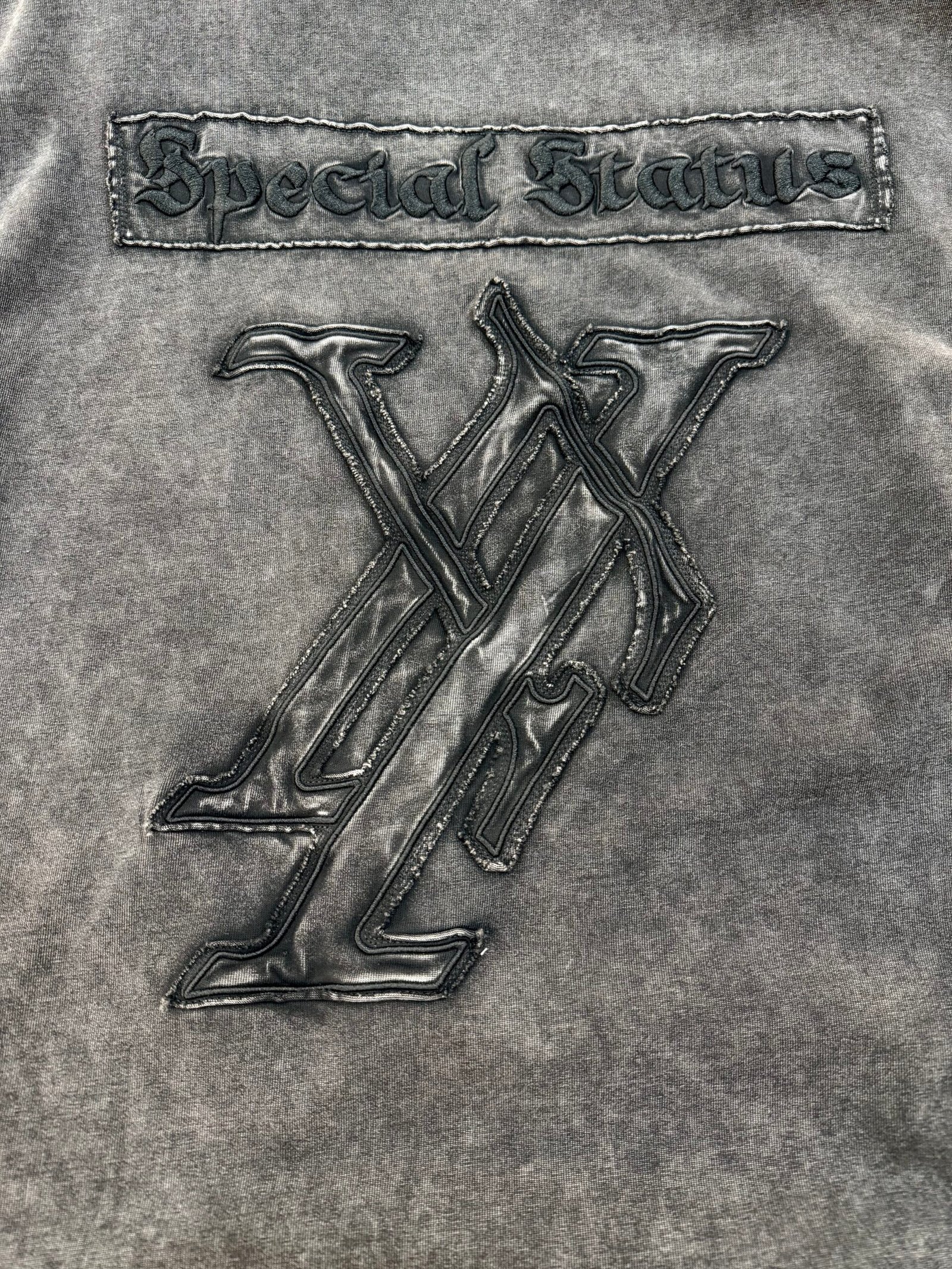
The most complex order I've ever run combined nearly everything on this list — and it taught me a lot about what's actually possible.
A Complex Customization Story
I once took on an order for a t-shirt that combined distressed wash, fabric distressing (with intentional tears), DTG print on the front, applique embroidery, custom patches, and panel color-blocking — all on the same garment. My scalp was tingling the whole time. The sequence alone took a full day of planning between our pattern team and our wash supervisor: which step had to come before which, what would survive what treatment, how to keep the patches on through the distressing process.
We made it. The client loved it. And it taught me that "private label customization" can mean almost anything — if the factory knows the order of operations.
Fabric Customization
| Option | Available? | Notes |
|---|---|---|
| 100% cotton (180gsm–300gsm) | ✅ Yes | Most popular |
| Cotton blends (cotton/spandex, cotton/poly) | ✅ Yes | For fit/stretch |
| Organic cotton | ✅ Yes | Requires GOTS chain certification[^2] |
| Heavyweight cotton (260gsm–320gsm) | ✅ Yes | Streetwear favorite |
| Bamboo fiber | ✅ Yes | Premium feel |
| Recycled polyester | ✅ Yes | Sustainable claim |
Print and Decoration
| Technique | Hand Feel | Cost | Best For |
|---|---|---|---|
| Screen print | Slight on top of fabric | Low at scale | Bold graphics, multi-color |
| DTG (direct-to-garment) | Soft, on fabric | Higher per piece | Detailed full-color art |
| Discharge print | Soft, into fabric | Medium | Vintage look on dark colors |
| Puff print | Raised texture | Medium | Streetwear, retro logos |
| Glitter / metallic | Sparkly finish | Medium | Statement designs |
| Flat embroidery | Stitched, raised | Medium | Logos, patches |
| 3D / puff embroidery | Foam-backed raised | Higher | Sport, streetwear |
Wash and Finishing Treatments
For brands going after a vintage, lived-in, or streetwear aesthetic:
- Enzyme wash: Softens fabric, slight color fade
- Garment dye: Color applied to finished garment for unique tonal variation
- Stone wash: Adds texture and aged appearance
- Acid wash: Bold marbled effect
- Intentional distressing: Hand-applied tears, frays, or holes
- Sun-bleached effect: Faded, washed-out look
Each one changes the fabric. Each one has to be planned in the right order with other treatments. A factory that doesn't ask about sequence isn't ready to deliver complex private label work.
Labels, Tags, and Packaging
This is where private label really stands out from white label:
- Woven main label: Inside neck, brand logo and country of origin
- Care label: Material composition and care instructions
- Hangtag: Cardboard, fabric, or laser-cut, with brand story
- Polybag: Custom-sized, custom-printed, biodegradable options
- Stickers and inserts: Thank-you cards, QR codes, social handles
Every one of these is a chance to reinforce your brand. None of them are optional for a serious private label launch.
How Long Does Private Label T-Shirt Production Take?
Timeline is where most new buyers get blindsided. They assume "private label" means "fast." It can be — but only if the process is followed properly. Skipping steps to save time is how brands end up with bulk orders that don't match their vision.
A complete private label t-shirt project takes 5 to 7 weeks from order confirmation to shipping. Sample development takes 7–14 days, sample revisions add another 5–7 days, and bulk production takes 3–4 weeks. Add 1–2 weeks for international shipping. A factory promising "2-week total turnaround" is either skipping critical steps or quoting from blank stock.
The temptation to skip the sample phase is real. Resist it.
A True Story About Skipping Steps
A client from the US contacted me through our website. He sent his designs and reference styles. We had a good back-and-forth — I recommended fabric options at different GSM weights, sent him photos of similar samples we'd made before. He liked the direction. He asked about bulk pricing for 50 pieces. I quoted him. For a moment, I thought he was just price-shopping.
Then he said he wanted to add a back design and custom labels. I requoted. He agreed. We talked about shipping. I gave him a freight estimate. He asked about payment, I sent the account details — and he paid 50% deposit on the spot. Then he said: "Great, let's start production."
I had to slow him down. I told him no — we don't go straight to production. We make the sample first. I record video of the sample, take detailed measurement photos, document the label placement, confirm everything with him before bulk runs. He understood. He waited. The sample passed, bulk shipped on schedule, and he's been a repeat customer ever since.
The lesson: a good factory will protect you from your own urgency. If a factory agrees to skip the sample, that's not flexibility — that's a red flag.
Realistic Timeline Breakdown
| Stage | Duration | What Happens |
|---|---|---|
| Initial quote and design review | 1–3 days | Factory reviews tech pack, quotes price |
| Sample fabric sourcing | 3–5 days | Factory pulls or sources fabric |
| First sample production | 7–14 days | Pattern, cut, sew, decorate, finish |
| Sample shipping to you | 3–7 days | Express courier |
| Sample evaluation and revision | 5–7 days | You test, factory revises if needed |
| Bulk fabric purchase | 3–5 days | After sample approval |
| Bulk production | 3–4 weeks | Cutting, sewing, decoration, QC |
| Final inspection and packaging | 2–3 days | QC check, polybag, labels |
| International shipping | 5–25 days | Air, sea, or express depending on choice |
When Production Goes Faster Than This
Yes, it's possible to compress this timeline — but only in specific cases:
- The factory already has your fabric in stock
- The design is a slight modification of an existing pattern
- No special wash or finishing treatment is required
- Bulk volume is moderate (under 200 pieces)
At DeCheng, we run samples in 7–14 days and bulk in 3–4 weeks as our standard, with full in-house production. But we always make sure the sample is approved before bulk cutting starts. That's not slow. That's responsible.
What Should You Check Before Signing With a Private Label Factory?
Choosing the wrong private label factory costs you more than money. It costs you a launch window, customer trust, and sometimes a brand's reputation. The checks before signing matter more than the lowest quote.
Before signing with a private label t-shirt factory, verify their MOQ flexibility, sample quality, certifications (OEKO-TEX, GOTS), production lead time, communication speed, payment terms, and previous client references. Always test with a sample before bulk. Always verify certifications directly with the issuing body.[^3]
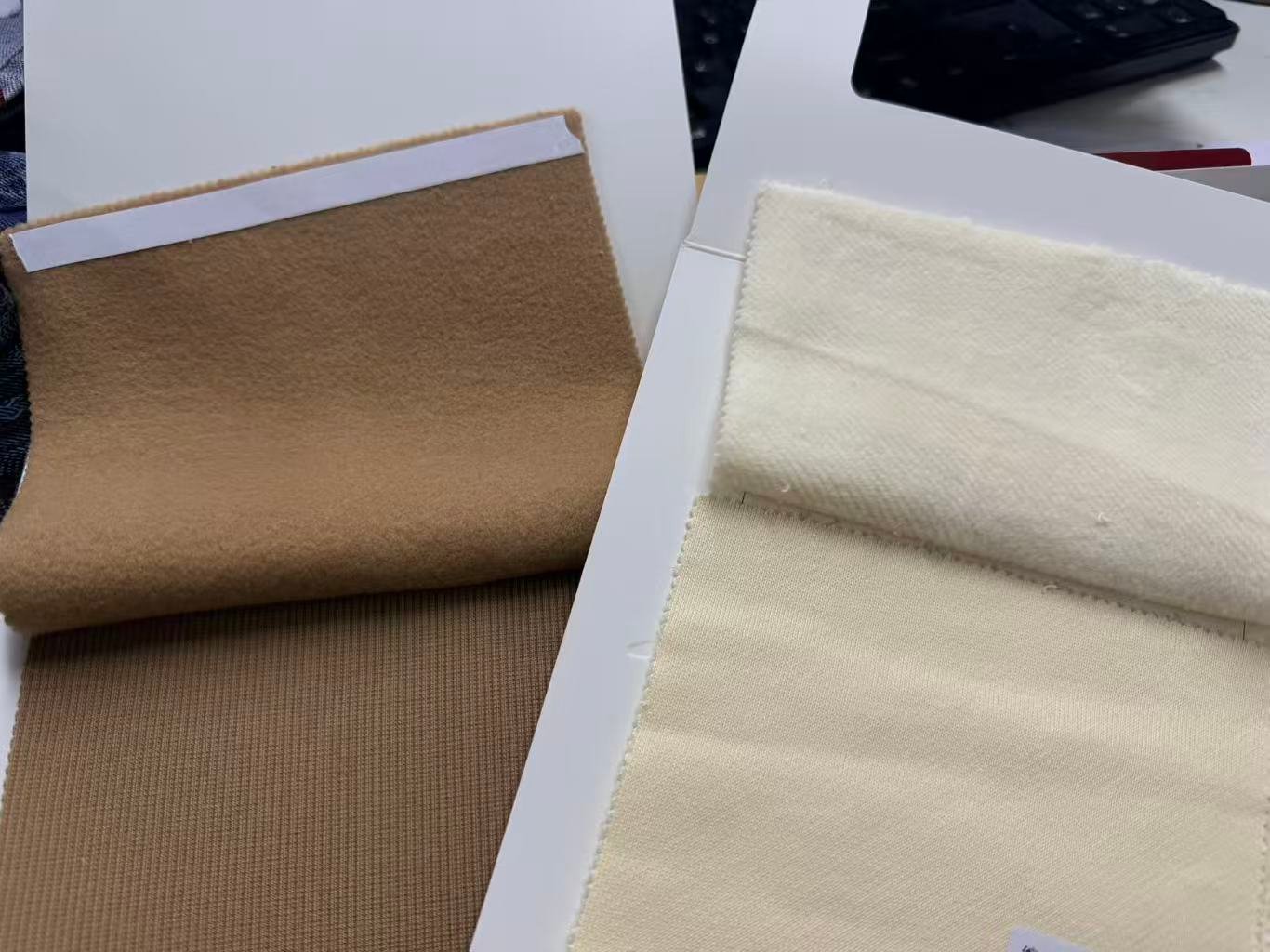
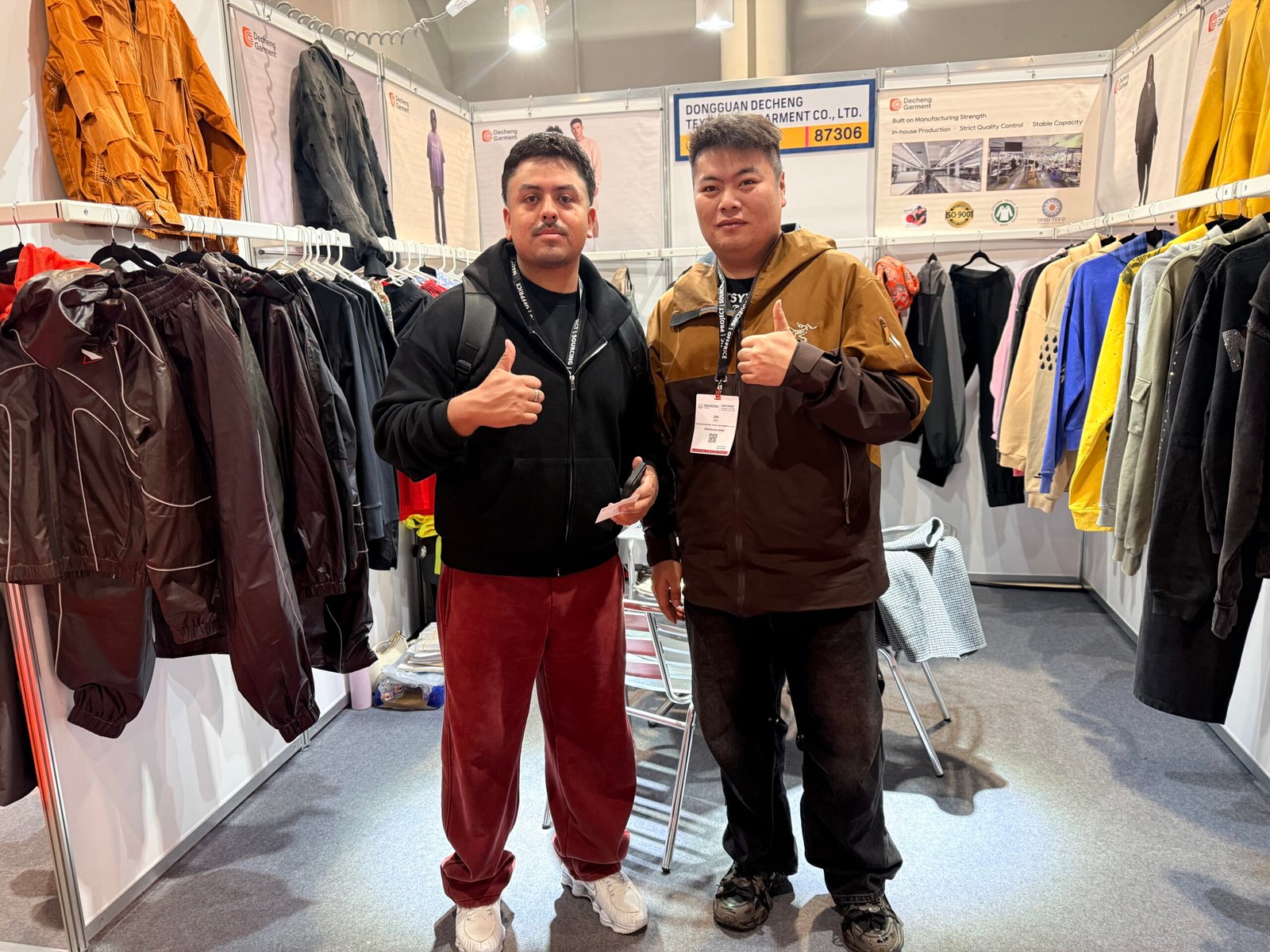
A factory that survives all these checks is one worth a multi-year relationship.
The 7-Point Verification Checklist
1. MOQ Clarity
Ask exactly what their MOQ means: per style, per color, per design, per size set. A vague "50 pieces" answer that turns out to mean 50 per color is not low MOQ. Get it in writing.
2. Sample Quality
The sample shows you the truth. Weigh the fabric. Wash the sample 3–5 times. Pull at stress points. Compare measurements to your tech pack. If the sample is "close enough," the bulk will be worse.
3. Certifications
For private label brands selling in the US or EU, certifications matter:
| Certification | Why It Matters |
|---|---|
| OEKO-TEX Standard 100 | Fabric safety, no harmful chemicals[^4] |
| GOTS | Required for organic cotton claims[^2] |
| ISO 9001 | Quality management systems |
| BSCI / Sedex | Ethical labor practices |
Never accept a PDF at face value. Verify the certificate number directly on the certifying body's website.
4. Lead Time Commitment
A factory should give you a specific lead time, not a range. "3–4 weeks bulk" is acceptable. "It depends" is not. Lead time discipline is a proxy for overall operational discipline.
5. Communication Speed
Send a detailed inquiry. Time the response. If it takes 2 days for an initial reply during development, expect 2 weeks during production crisis. Communication speed predicts everything else.
6. Payment Terms
Standard private label payment is 30%–50% deposit, balance before shipping. Be cautious of factories asking for 100% upfront or refusing to use third-party payment platforms.
7. Past Client References
Any serious factory should be able to share 1–2 client references. If they refuse, ask why. Most legitimate factories are proud of their long-term clients.
Red Flags to Walk Away From
| Red Flag | What It Probably Means |
|---|---|
| "Yes" to every question without follow-up | Doesn't understand the technical details |
| Quotes 30%+ below market | Substitution or hidden costs coming |
| Refuses to provide samples | Not a real factory, or no QC system |
| Hesitates to share factory photos / videos | Trading company posing as factory |
| Pushes you to skip sample approval | Cutting corners — your bulk will pay the price |
| Vague on payment terms | Financial instability risk |
How Much Does Private Label T-Shirt Manufacturing Cost?
Cost is where every brand owner starts the conversation. The answer depends on more factors than most buyers realize — fabric, decoration, wash, trims, MOQ, and complexity all change the math.
A private label t-shirt order of 50 pieces typically ranges from $10–$16 per piece (FOB China) for designs combining custom fabric, decoration, and basic finishing. Simple cotton tees with a single print sit at the lower end. Heavy cotton with distressing, multi-technique decoration, embroidery, and rhinestones push closer to $16+. Bulk orders (300+ pieces) bring unit cost down significantly.
These ranges are for orientation, not quotes. Every project has unique variables. But they tell you whether what you're being quoted is in the realistic zone.
What Drives Private Label T-Shirt Pricing
| Cost Factor | Price Impact |
|---|---|
| Fabric weight (180gsm vs 280gsm) | $1–$3 per piece |
| Fabric type (cotton vs organic vs bamboo) | $1–$4 per piece |
| Print method (screen vs DTG vs discharge) | $0.50–$3 per piece |
| Print complexity (1 color vs full graphic) | $0.50–$2 per piece |
| Embroidery (logo size, stitch count) | $1–$3 per piece |
| Wash treatment (enzyme, garment dye, distressing) | $1.50–$4 per piece |
| Custom labels and hangtags | $0.50–$1 per piece |
| Custom packaging | $0.30–$0.80 per piece |
Real-World Pricing Examples
Here's what 50-piece private label t-shirt orders look like across complexity levels:
| Setup | Fabric | Decoration | Treatment | FOB Unit Price |
|---|---|---|---|---|
| Basic | 200gsm cotton | Single screen print | None | ~$8–$11 |
| Mid-tier | 240gsm cotton | DTG full color | None | ~$11–$14 |
| Streetwear vintage | 280gsm cotton | Discharge print + embroidery | Enzyme wash + distressing | ~$13–$16 |
| Premium complex | 280gsm cotton | DTG + patches + embroidery | Distressing + garment dye | ~$16–$22 |
Why "Too Cheap" Should Worry You
If a factory quotes $5–$6 for a 50-piece custom 240gsm t-shirt with print, something is wrong:
- The fabric is probably lighter than promised
- The decoration may be substituted with a cheaper method
- Construction may cut corners (single-needle vs double-needle stitching)
- It may be a trading company outsourcing to whoever bids lowest
Don't chase the lowest quote. Chase the most honest one.
How Pricing Drops at Scale
The unit price falls as volume rises. Same product, different volumes:
| Order Quantity | Approximate Unit Price |
|---|---|
| 50 pcs | Baseline (highest unit cost) |
| 200 pcs | ~15–20% lower than baseline |
| 500 pcs | ~25–30% lower than baseline |
| 1,000 pcs | ~30–40% lower than baseline |
This is why most brands start with 50 pieces to test, then scale. By the time you're ordering 500+ pieces of a proven style, the margin math works very differently.
Conclusion
Private label t-shirt manufacturing gives you brand ownership without owning a factory — your fabric, your design, your labels, your packaging. Choose a factory that supports low MOQ, follows a real sample-then-bulk process, and is honest about cost. If you're looking for a private label partner — starting at 50 pieces with full customization and samples in 7 to 14 days — visit www.dechoreal.com or email joe@dc-garment.cn.
References
[^1]: Private label vs white label business models in apparel: https://thygesenapparel.com/blog/difference-between-odm-and-oem-manufacturers
[^2]: Global Organic Textile Standard (GOTS) for organic cotton claims: https://global-standard.org
[^3]: Best practices for vetting private label clothing manufacturers: https://mingxingclothing.com/blog/oem-vs-odm-clothing-difference/
[^4]: OEKO-TEX Standard 100 fabric safety certification: https://www.oeko-tex.com/en/our-standards/oeko-tex-standard-100