Custom Hoodie Manufacturer with Low MOQ: How to Find One in China?
You have a hoodie design ready. You have a brand to launch. But every Chinese factory you contact has the same answer: "Our MOQ is 500 pieces." For an emerging brand testing the market, 500 pieces of unsold inventory is enough to kill the whole project before it starts.
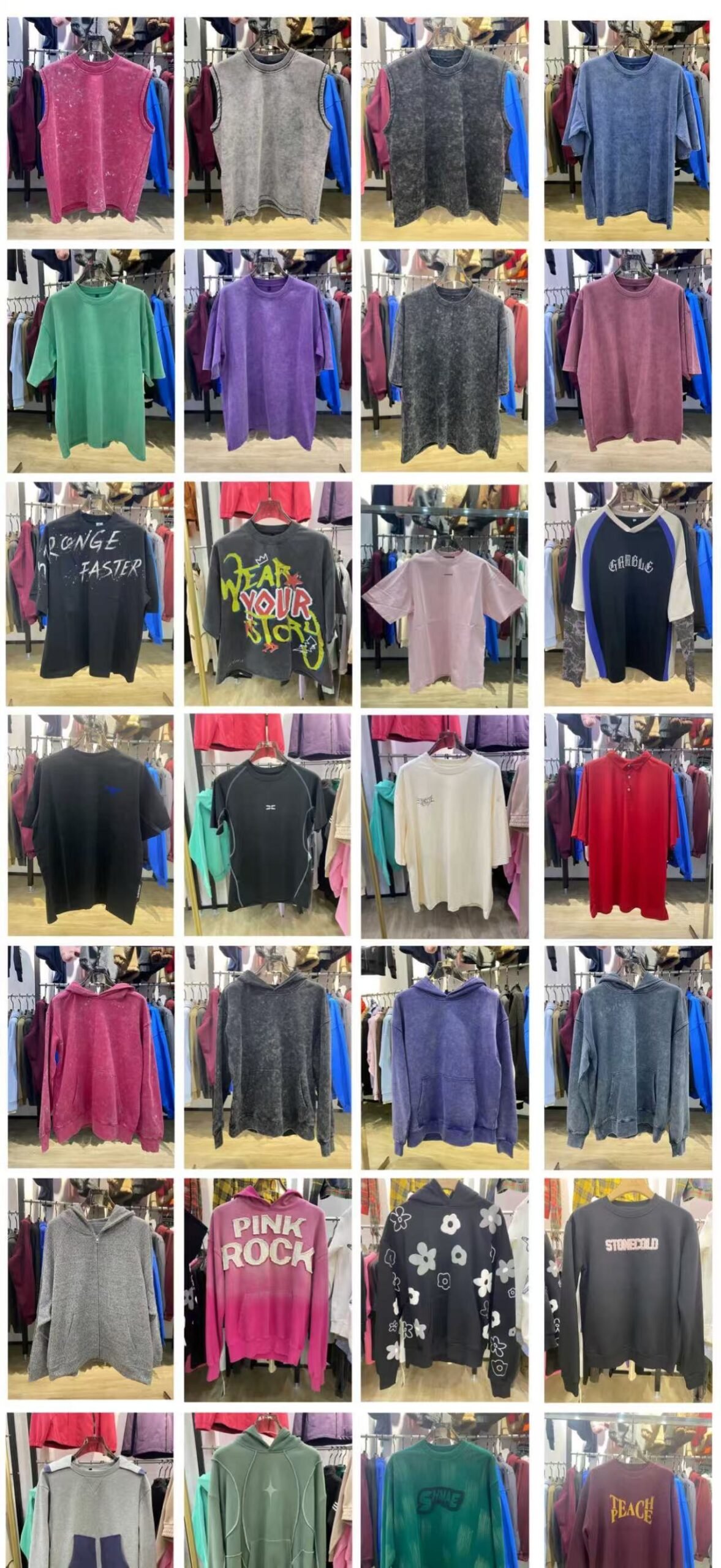
A custom hoodie manufacturer with low MOQ accepts orders starting from 50 pieces per style, offers real customization (fabric, print, embroidery, wash), and supports small brands without sacrificing quality. The best low MOQ factories are usually mid-sized, vertically integrated, and run multiple small jobs alongside larger orders to stay efficient.
I've run a hoodie factory in Dongguan for over 20 years. I've watched hundreds of brands try to find the right starting point — and watched many of them get stuck because they couldn't get past the MOQ wall. Here's how the system actually works, and how to find a factory that won't shut the door on you.
Table of Contents
- What Does Low MOQ Actually Mean in Hoodie Manufacturing?
- Why Do Most Chinese Factories Refuse Low MOQ Orders?
- What Should You Expect to Pay for a 50-Piece Hoodie Order?
- What Customization Options Are Available at Low MOQ?
- How to Verify a Low MOQ Factory Before Placing Your Order?
- How to Grow From a Low MOQ Order to a Bulk Partnership?
- Conclusion
What Does Low MOQ Actually Mean in Hoodie Manufacturing?
The phrase "low MOQ" gets used loosely. One factory's low MOQ is another factory's bulk order. If you don't understand what's behind the number, you can't really compare quotes — and you can't tell if a factory is being honest with you.
Low MOQ in hoodie manufacturing usually means 50 pieces per style. Some factories allow 30, but that's rare. Most Chinese factories set MOQ at 100, 300, or 500 pieces per style. The number is shaped by fabric purchase units, cutting efficiency, decoration setup costs, and how the factory chooses to allocate production capacity.
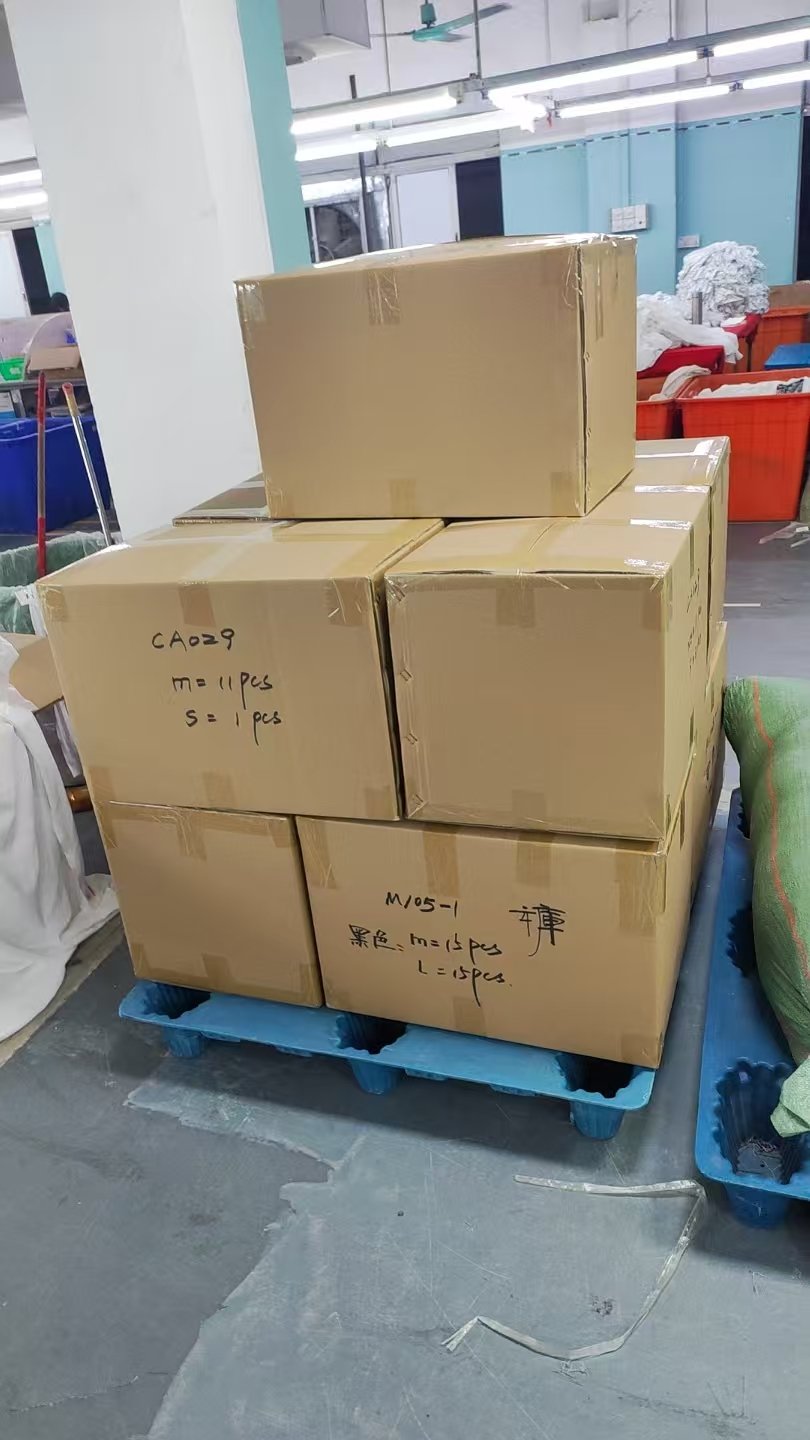
The MOQ a factory quotes you isn't a random number. It reflects how their cost structure breaks down. Knowing what's inside that number helps you ask the right questions.
MOQ Is Not One Number — It's Several Numbers
When a factory says "MOQ 50," they usually mean:
| MOQ Type | Typical Range | What It Affects |
|---|---|---|
| Per style | 50–500 pieces | Pattern setup, sample cost |
| Per color | 30–100 pieces | Fabric dyeing or sourcing |
| Per size set | 5–15 per size | Cutting layer efficiency |
| Per print design | 1 design minimum | Screen or DTG setup cost |
A factory with a "50 per style" MOQ that secretly requires 50 per color is not really low MOQ. Always clarify which type of MOQ they're quoting.
Why 50 Pieces Is a Realistic Floor
For most hoodie factories, 50 pieces is the point where:
- Fabric can be purchased at wholesale rates instead of retail
- Cutting can use enough fabric layers to stay efficient
- Screen printing setup cost can be spread across enough units to keep unit price reasonable
- QC time per piece becomes manageable
Below 50 pieces, the factory is essentially running a sample job at production prices — which is why most refuse it.
The Trap of "MOQ 10" Promises
Some platforms advertise "MOQ 10" or "MOQ 1" hoodie manufacturing. These are not really custom factories — they're usually print-on-demand services or middlemen using base stock blanks with simple decoration. The quality, fabric weight, fit, and customization options are nowhere near what a real factory delivers at 50+ pieces. If the price seems too good, the product usually matches the price.
Why Do Most Chinese Factories Refuse Low MOQ Orders?
This is the part most buyers never get explained. Factories aren't being difficult when they refuse a 30-piece order — they're protecting their margin and their schedule. Understanding why helps you negotiate from a stronger position.
Most Chinese factories refuse low MOQ orders because the fixed costs of fabric sourcing, pattern development, cutting setup, decoration tooling, and QC don't scale down well below 100 pieces. At 30 pieces, the per-unit cost is so high that either the factory loses money or the buyer pays sample-level prices for production-level expectations.
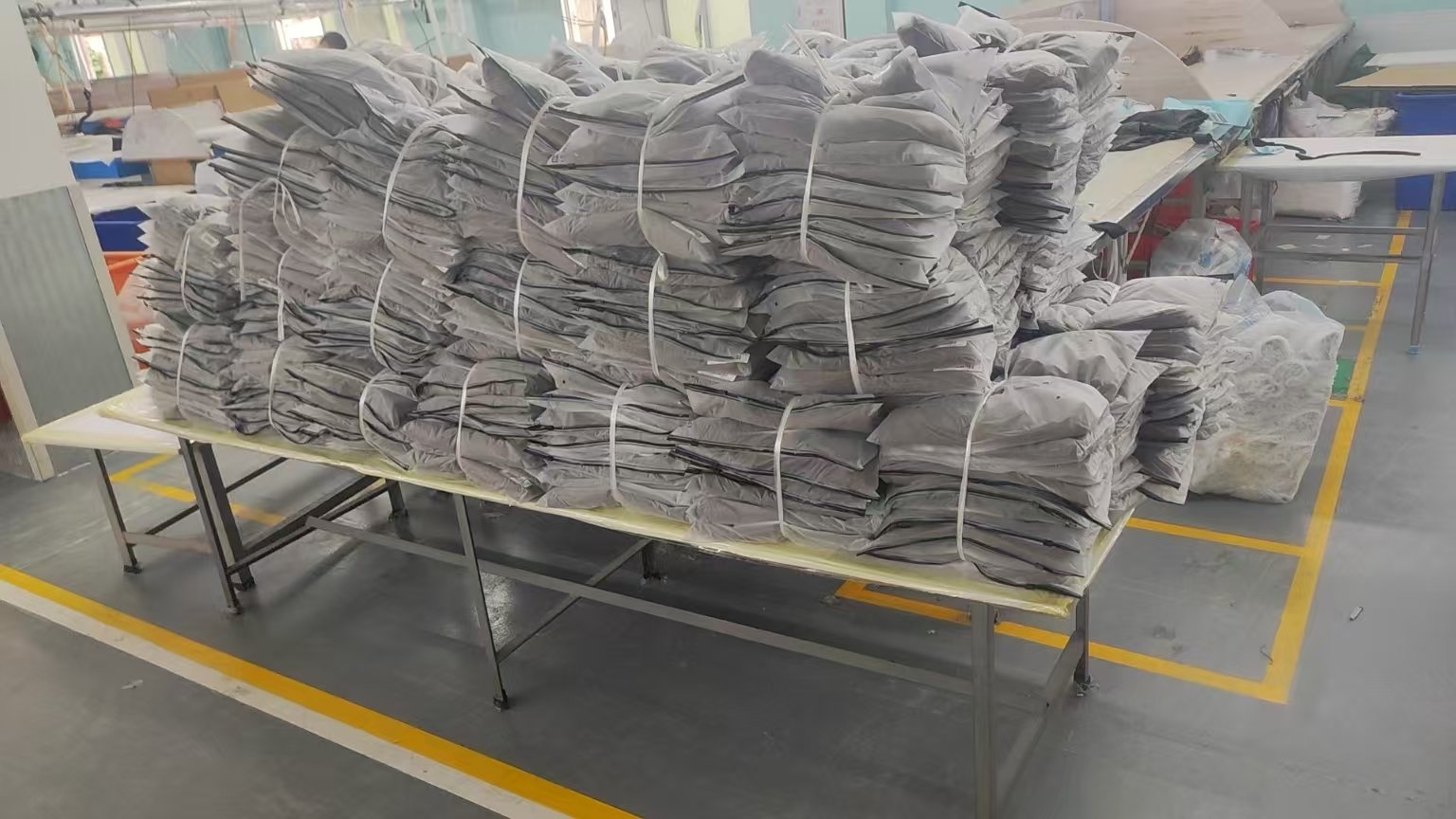
There's also a capacity issue. A factory running a 10,000-piece order for a big retailer can't easily pause to slot in a 30-piece custom hoodie. The setup time is the same, but the revenue is 200 times smaller.
The Fixed Cost Breakdown
Here's roughly how the cost structure looks on a custom hoodie order:
| Cost Component | Fixed or Variable | How Low MOQ Affects It |
|---|---|---|
| Fabric sourcing | Mostly fixed (per roll) | Small order = retail price |
| Pattern grading | Fixed | Same cost for 30 or 500 pcs |
| Cutting setup | Fixed | Inefficient layering |
| Screen / DTG setup | Fixed per design | Setup cost not amortized |
| Embroidery digitizing | Fixed per logo | Setup cost not amortized |
| Sewing labor | Variable | Roughly per-unit |
| QC | Variable | Per-unit time |
| Packaging | Variable | Per-unit cost |
The fixed costs are the killer. Most of them stay the same whether you order 30 or 500 — which is why the unit price drops fast as volume grows.
The Exception I Made Once
A few months ago, a buyer reached out who'd done two rounds of samples with us. Both looked great. He liked the fit, the wash, and the print. Then when it came time to place the order, he said: "I want 10 pieces." Honestly, my heart sank. Ten pieces is far below what any factory can run profitably. I had to tell him no. After a long back-and-forth, he explained — he ran a gun shop in the US and the hoodies were for his staff uniforms, not for resale. He couldn't realistically need 50. We eventually worked it out at slightly above sample pricing, because it was the slow season and we had production capacity. But I want to be clear: this was an exception. Our real MOQ is still 50. If a factory promises 10 pieces every time at production prices, something is off — either with the price, the quality, or their honesty about cost.
What Drives a Factory to Accept Low MOQ Anyway
Factories that accept low MOQ tend to share certain traits:
- Vertically integrated supply chain (they don't have to outsource cutting or wash)
- Mid-sized operations (not too small to be inexperienced, not too big to need only bulk orders)
- Strong sample team that can absorb small-batch work efficiently
- A business model built around small-to-mid brands rather than corporate clients
DeCheng falls in this category. We run 10 production lines and structure our schedule to support 50-piece orders alongside larger runs.
What Should You Expect to Pay for a 50-Piece Hoodie Order?
Pricing is the question every buyer asks first — and the question most factories give vague answers to. The truth is, the price depends on a lot of factors. But there's a realistic range you can use as a benchmark.
A custom 50-piece hoodie order in a standard 350gsm fleece with one print typically lands between $15–$17 per piece (FOB China), assuming basic customization. Heavyweight fabrics (400gsm+), complex prints, embroidery, washes, and premium trims push the price up. Simpler styles in lighter fabric come down to $11–$14.
These numbers are for orientation, not quotation. Every project has unique variables. But this range tells you whether a quote you're getting is in the realistic zone or wildly off.
What Drives the Price at Low MOQ
| Factor | Price Impact |
|---|---|
| Fabric weight (GSM) | 240gsm vs 380gsm can change unit cost by $3–$5 |
| Fabric type | Cotton vs polyester blend vs organic vs bamboo |
| Print method | Screen print (cheap) vs DTG vs puff print vs glitter |
| Embroidery | Adds $1–$3 per logo depending on stitch count |
| Wash treatment | Enzyme wash, garment dye, stone wash add $2–$4 |
| Custom labels | Woven labels and hangtags add $0.50–$1 per piece |
| Packaging | Custom polybag and hangtag stringing add cost |
A Realistic Quote Comparison
Here's what 50 pieces of a typical streetwear hoodie might cost across three setups:
| Setup | Fabric | Wash | FOB Unit Price | |
|---|---|---|---|---|
| Basic | 320gsm fleece | Simple screen print | None | ~$13–$15 |
| Mid-tier | 350gsm fleece | DTG with detailed graphic | None | ~$15–$17 |
| Premium | 450gsm French terry | Screen print + embroidery | Enzyme wash | ~$22–$28 |
These are FOB China prices. Add 10–25% for international shipping, duties, and final delivery to your warehouse.
A Warning About Suspiciously Low Quotes
If a factory quotes you $8–$10 for a 50-piece custom hoodie order in 350gsm fleece, something is wrong. Either the fabric weight is lower than promised (a substitution problem), the construction is cut corners, or the factory is a middleman who will outsource your order and let quality slip.
Don't chase the lowest price. Chase the most honest quote.
What Customization Options Are Available at Low MOQ?
A common myth: at low MOQ, you can only do basic customization. That's not true. With the right factory, almost everything available at bulk is available at 50 pieces — just at a slightly higher unit cost.
At 50-piece MOQ, you can customize fabric weight, fabric blend, color, fit, print method (screen, DTG, puff, glitter), embroidery, wash treatment, woven labels, hangtags, and packaging. The only meaningful limitation is exclusive custom-dyed fabrics, which usually require 300+ pieces per color due to dye lot minimums.
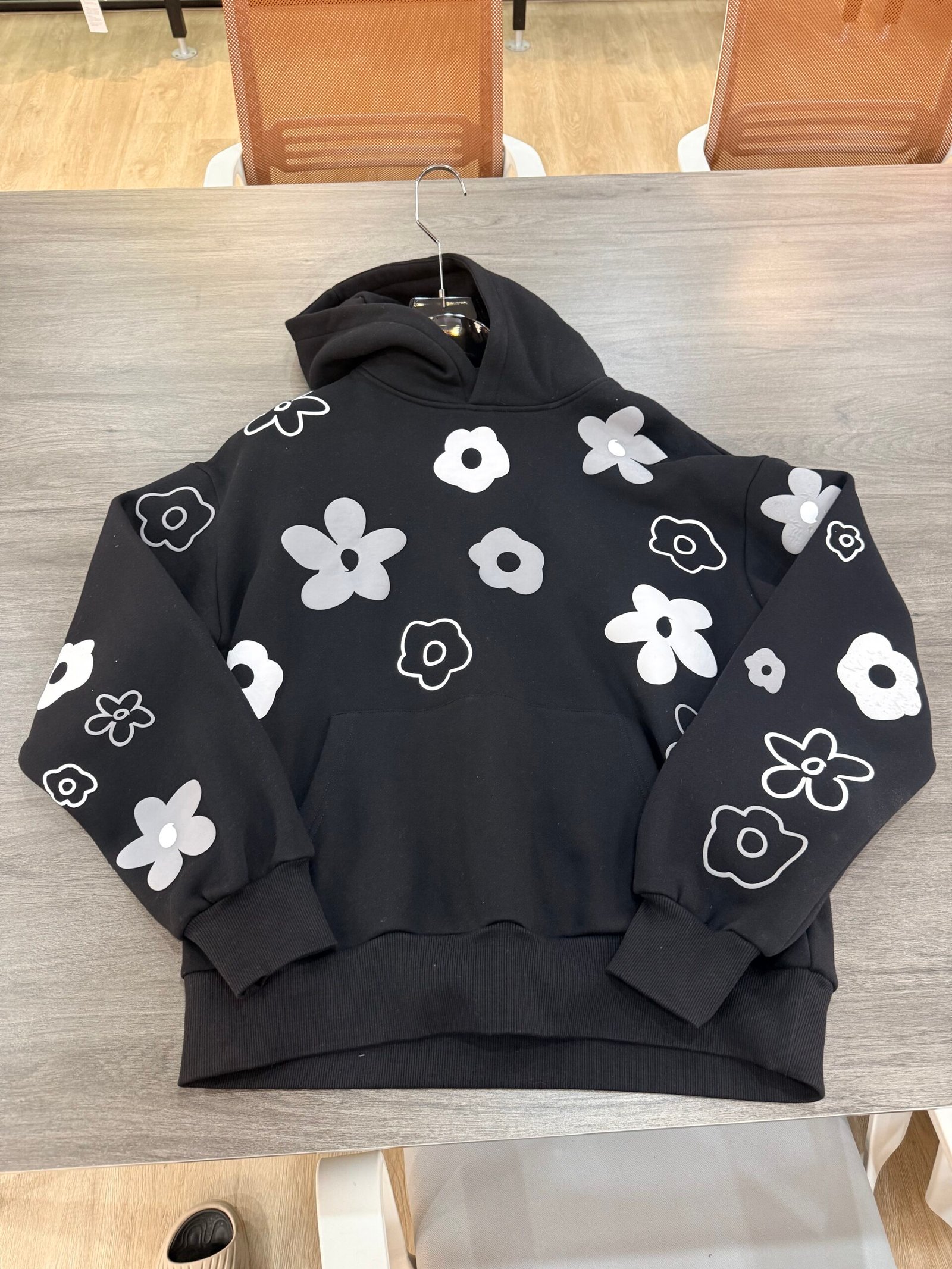
The customization range that's realistic at low MOQ depends entirely on the factory you choose. Below is what's typically available with a well-equipped manufacturer.
Fabric Customization
| Option | Available at 50 pcs? | Notes |
|---|---|---|
| Standard fabrics (cotton, fleece, French terry) | ✅ Yes | From in-house fabric stock |
| Custom GSM (280–500) | ✅ Yes | Usually no extra fee |
| Cotton blends (cotton/poly, cotton/spandex) | ✅ Yes | Standard offering |
| Organic cotton | ✅ Yes | Slight surcharge for certification |
| Bamboo fiber | ✅ Yes | Slight surcharge |
| Recycled polyester | ✅ Yes | Slight surcharge |
| Custom-dyed exclusive color | ❌ Usually 300+ pcs | Dye lot minimums |
Decoration Customization
| Option | Available at 50 pcs? | Setup Cost Impact |
|---|---|---|
| Screen print (1–3 colors) | ✅ Yes | $30–$80 setup |
| DTG print (full color) | ✅ Yes | Low setup, higher per-piece cost |
| Puff print | ✅ Yes | Moderate setup |
| Glitter / metallic print | ✅ Yes | Higher setup |
| Flat embroidery | ✅ Yes | $20–$50 digitizing fee |
| 3D / puff embroidery | ✅ Yes | Higher digitizing fee |
| Patch / chenille | ✅ Yes | Setup per design |
Finishing and Wash Treatments
Enzyme wash, garment dye, stone wash, and acid wash are all available at 50 pieces, as long as the factory handles wash in-house. Outsourced wash treatments usually require 100+ pieces per batch.
Trims and Packaging
Custom woven labels, custom hangtags, custom polybags, and custom stickers are all standard at 50 pieces. The only thing to watch is the supplier MOQ for the trims themselves — most label suppliers have a 500-piece minimum for woven labels, so you'll end up with extra labels for future orders. That's normal.
How to Verify a Low MOQ Factory Before Placing Your Order?
A factory saying "we accept low MOQ" is not the same as a factory delivering well on low MOQ. The verification process matters more than the quote.
To verify a low MOQ factory, request samples before bulk, check fabric weight against the stated GSM, evaluate stitching at stress points, test print and embroidery durability, ask for references from previous small-batch clients, and confirm certifications like OEKO-TEX directly with the issuing body.[^1]
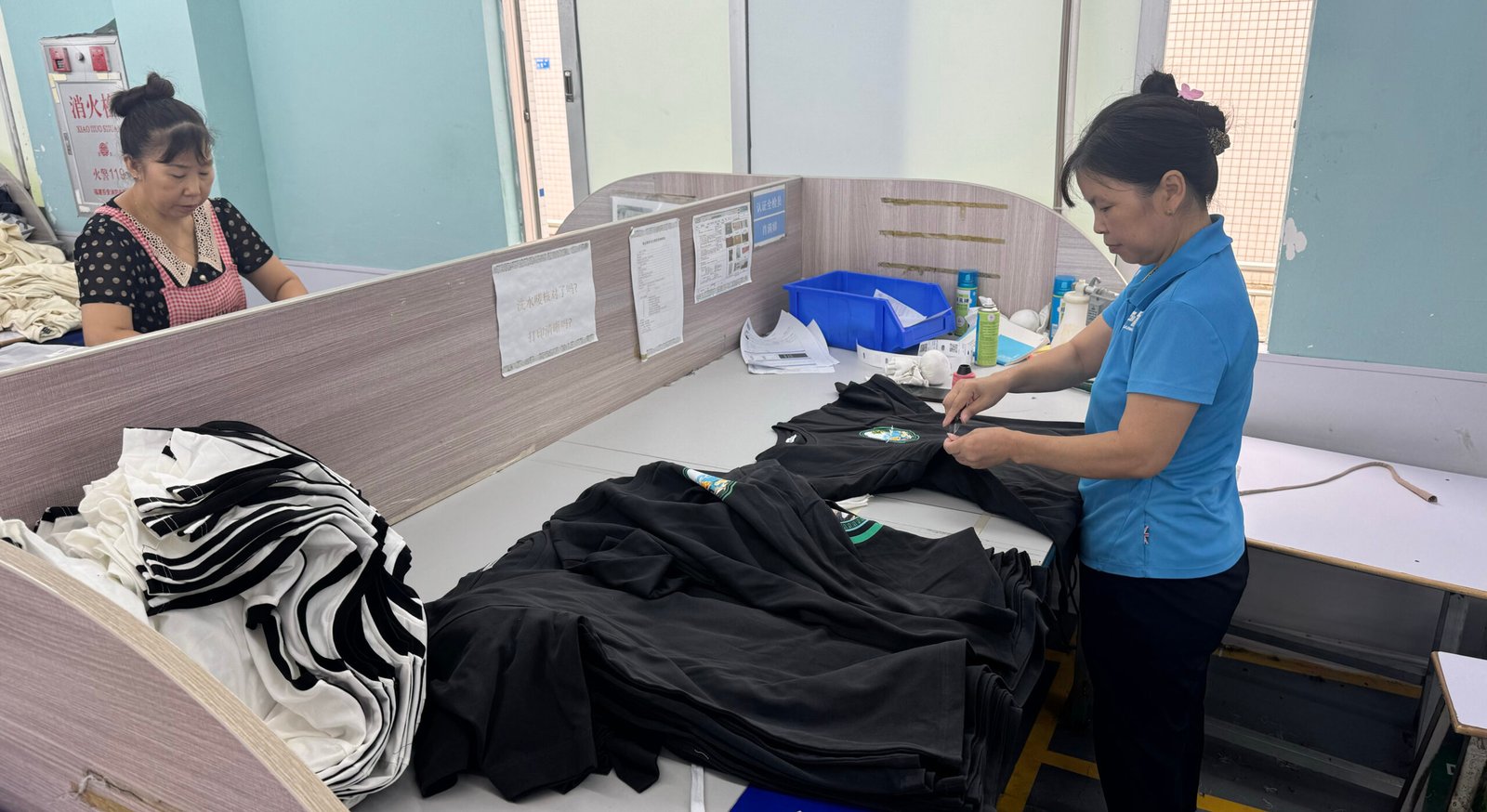
The verification process should happen before you wire any production payment. Skipping it is how buyers get burned.
The 4-Step Verification Process
Step 1: Order a Sample First
Never skip the sample. Even for 50 pieces, paying $50–$100 for a sample is the cheapest insurance you'll buy. The sample shows you fabric weight, construction quality, print durability, and how the factory communicates during development.
Step 2: Stress-Test the Sample
Once the sample arrives:
- Weigh the fabric (a 1 sqm cut should match the stated GSM within 5%)
- Wash it 3–5 times and check shrinkage, fading, and print cracking
- Pull at stress points (sleeve seams, ribbing, pockets)
- Compare measurements to your tech pack
A factory that ships a sample matching the spec is one you can trust at bulk. A factory whose sample is "close enough" will deliver bulk that's "close enough minus 10%."
Step 3: Ask for References
Any serious factory should be willing to share references from previous low-MOQ clients. If they refuse, ask why. Most legit factories will happily connect you with one or two past customers.
Step 4: Verify Certifications Independently
Don't accept a PDF of OEKO-TEX[^1] or GOTS[^2] certification at face value. Take the certificate number and verify it directly on the certifying body's website. This takes two minutes and catches most cases of document fraud.
Red Flags to Watch For
| Red Flag | What It Probably Means |
|---|---|
| Quotes that are 30%+ below market | Substitution, hidden costs, or middleman |
| No willingness to provide samples | Not a real factory, or no QC system |
| Refuses to share factory photos or videos | May b |