
Full Guide: How to Start a Clothing Brand with an OEM Apparel Manufacturer
Starting a clothing brand is easier today, but competition is stronger than ever. Working with a reliable OEM apparel manufacturer can help you launch faster, reduce cost, and scale with confidence.
In this guide, I explain how to build a profitable clothing brand step-by-step, even if you are a beginner.
📌 Table of Contents
- Why Work with an OEM Clothing Manufacturer
- Choosing Fabrics for Your Brand
- Custom Printing & Embroidery Options
- Sampling Process Explained
- Bulk Production Workflow
- Quality Control & Packaging
- How to Scale Your Clothing Brand
1. Why Work with an OEM Clothing Manufacturer
An OEM apparel manufacturer allows you to create custom clothing without owning a factory. They handle fabric sourcing, cutting, printing, embroidery, sewing, and packaging — reducing your startup cost and risk.
📷 Image Placeholder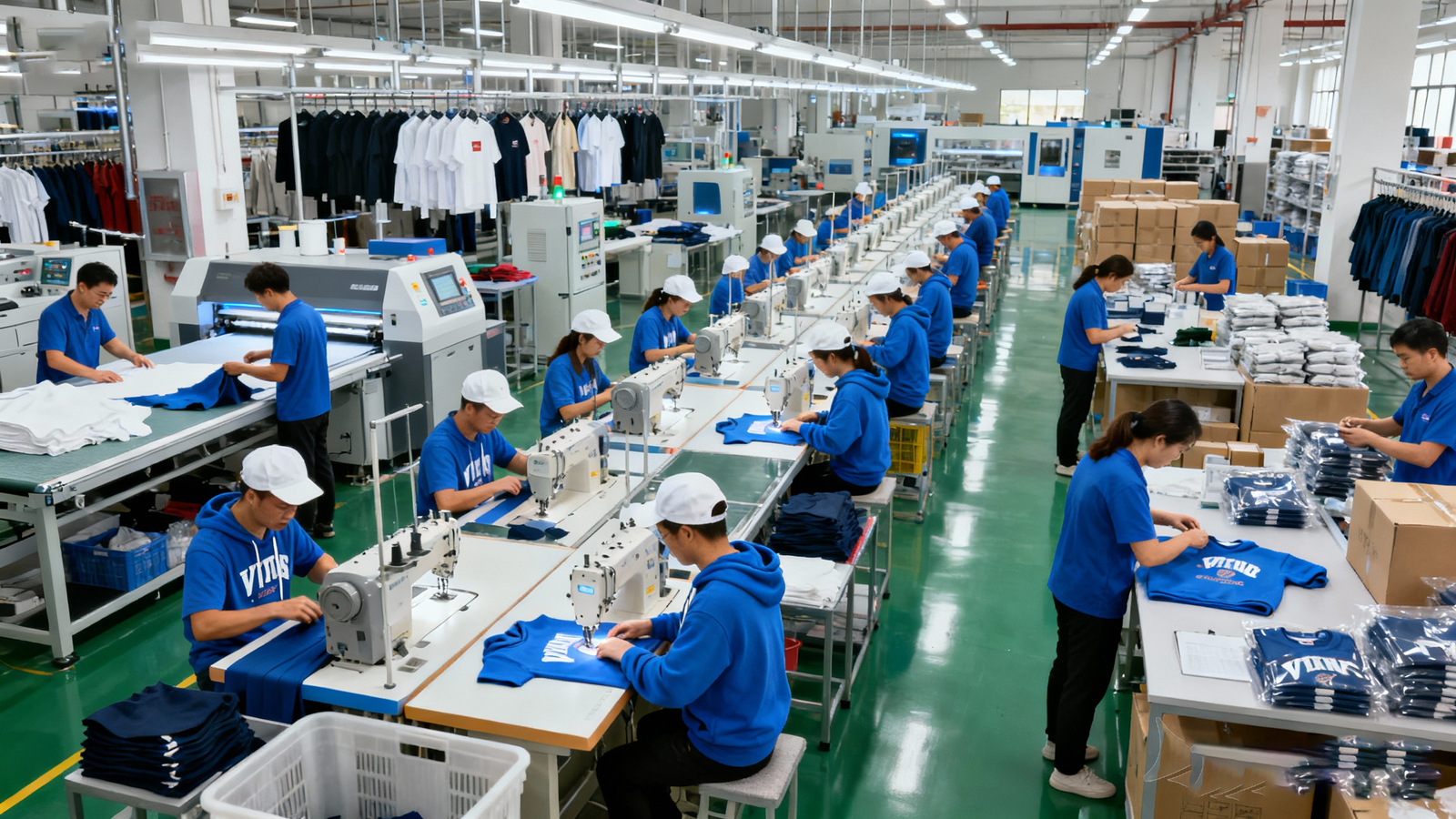 w.
w.
2. Choosing Fabrics for Your Brand
Fabric determines quality, comfort, and price. High-end brands often choose 100% cotton, combed cotton, French terry, and fleece. Activewear brands prefer polyester-spandex blends for stretch and durability.
📷 Image Placeholder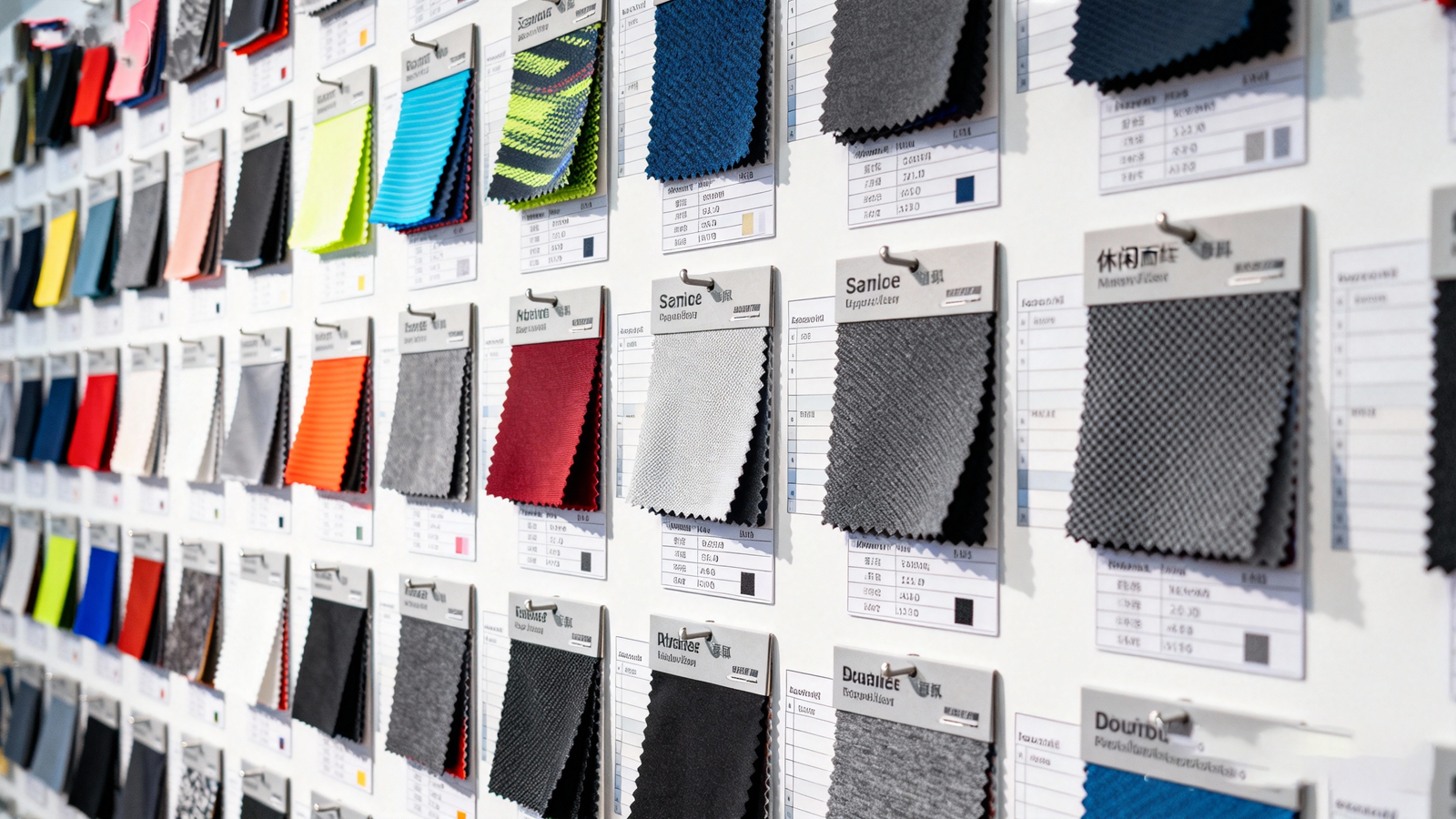
Popular Fabric Choices
| Fabric Type | Best For | Features |
|---|---|---|
| 100% Cotton | Streetwear & basics | Soft, breathable, skin-friendly |
| French Terry | Hoodies & joggers | Smooth outside, loop inside |
| Fleece | Winter hoodies | Warm, thick, premium |
| Polyester-Spandex | Activewear | Stretchy, durable, moisture-wicking |
3. Custom Printing & Embroidery Options
Brand identity depends heavily on your decoration method. OEM factories can apply multiple techniques based on your design.
📷 Image Placeholder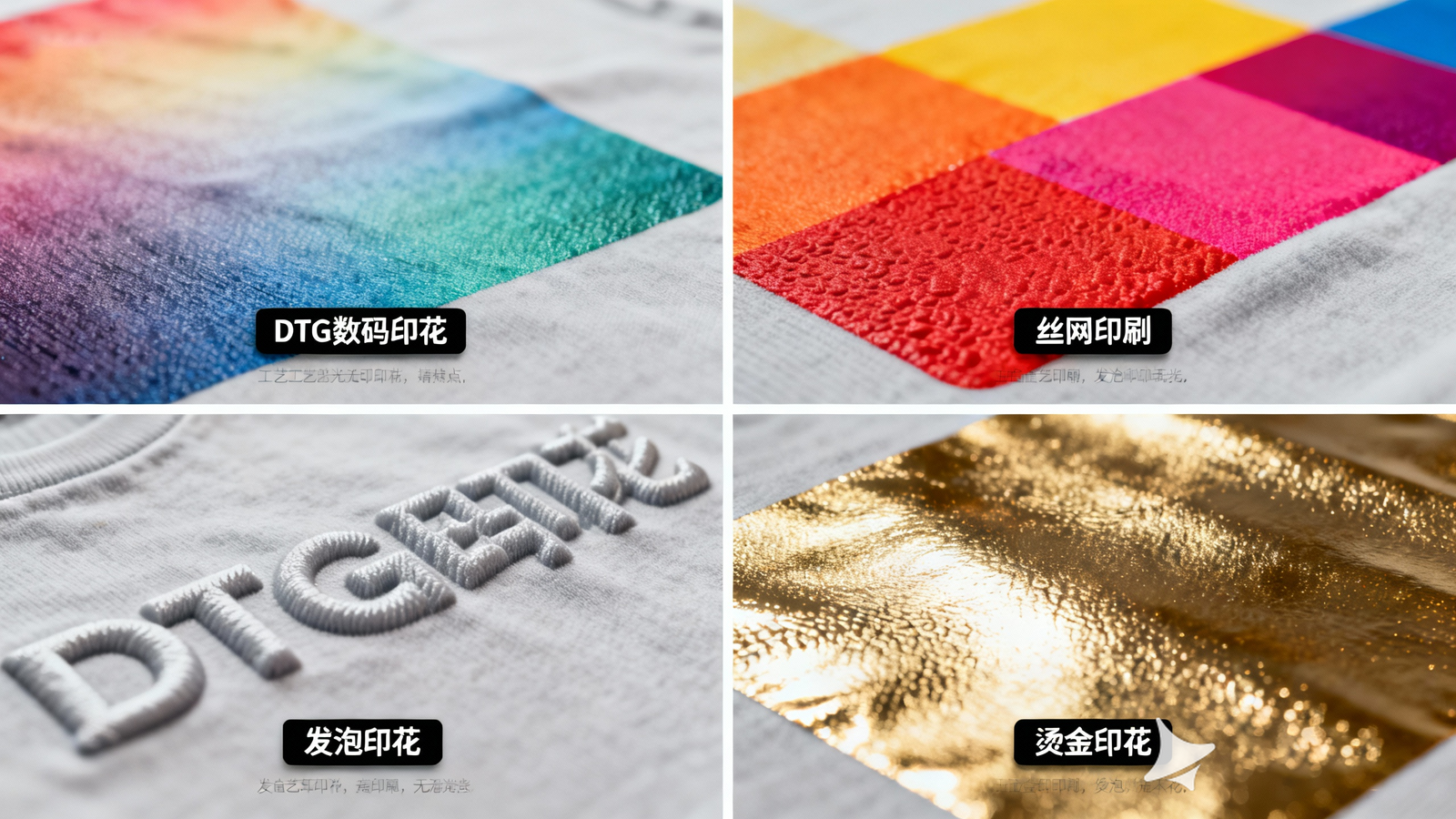
Common Techniques
- Screen Printing – Best for bold colors, large orders
- DTG Printing – Best for detailed artwork
- Puff Print – 3D raised effect
- Embroidery – Luxury branding, logo stitching
- Chenille Patches – Streetwear signature style
4. Sampling Process Explained
Before mass production, OEM factories create a sample to confirm fabric, color, size, measurements, printing, and stitching quality.
📷 Image Placeholder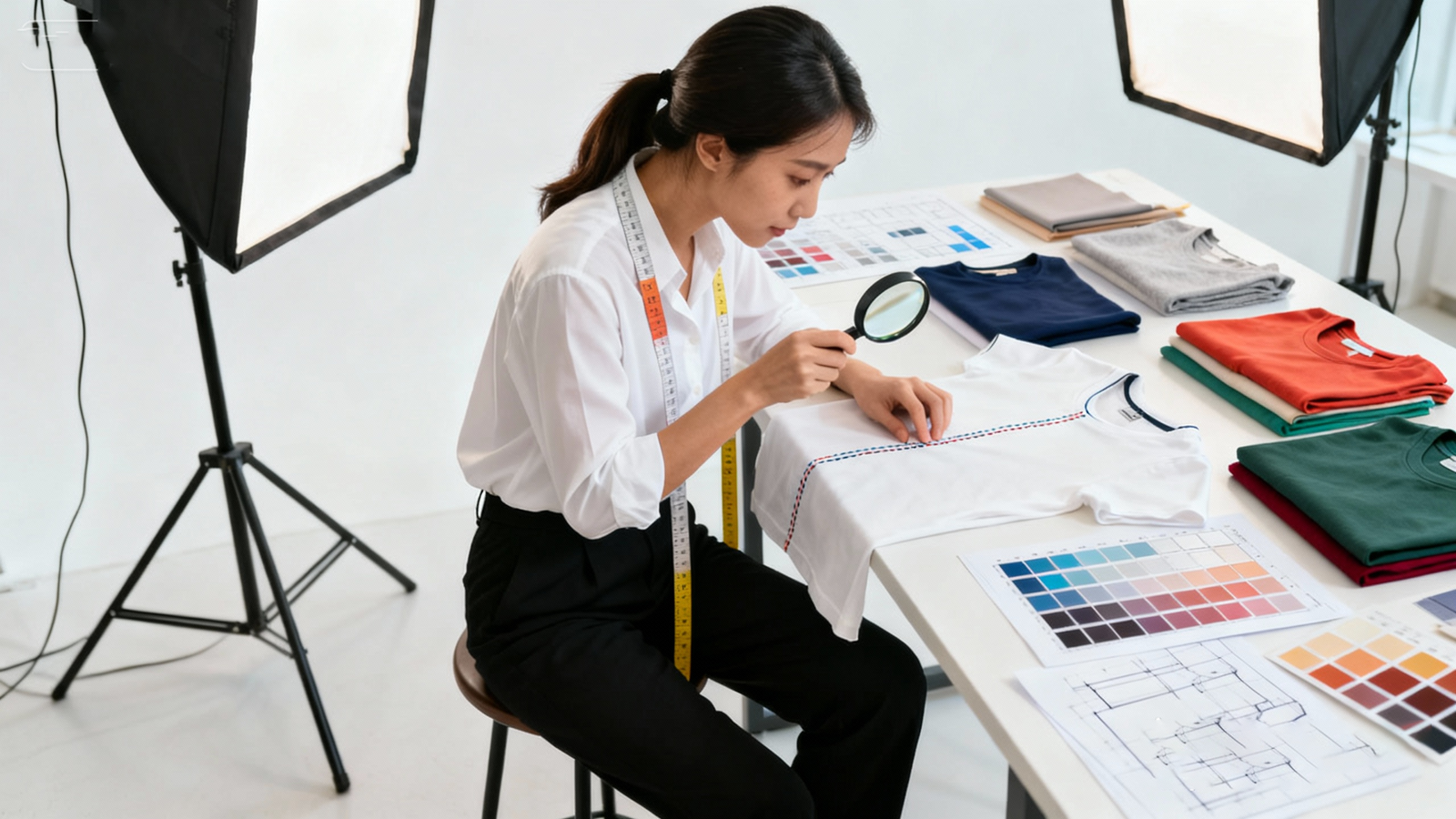
What You Approve in a Sample
- Fabric quality
- Color and pantone match
- Print/embroidery size and position
- Fit and measurements
- Stitching durability
5. Bulk Production Workflow
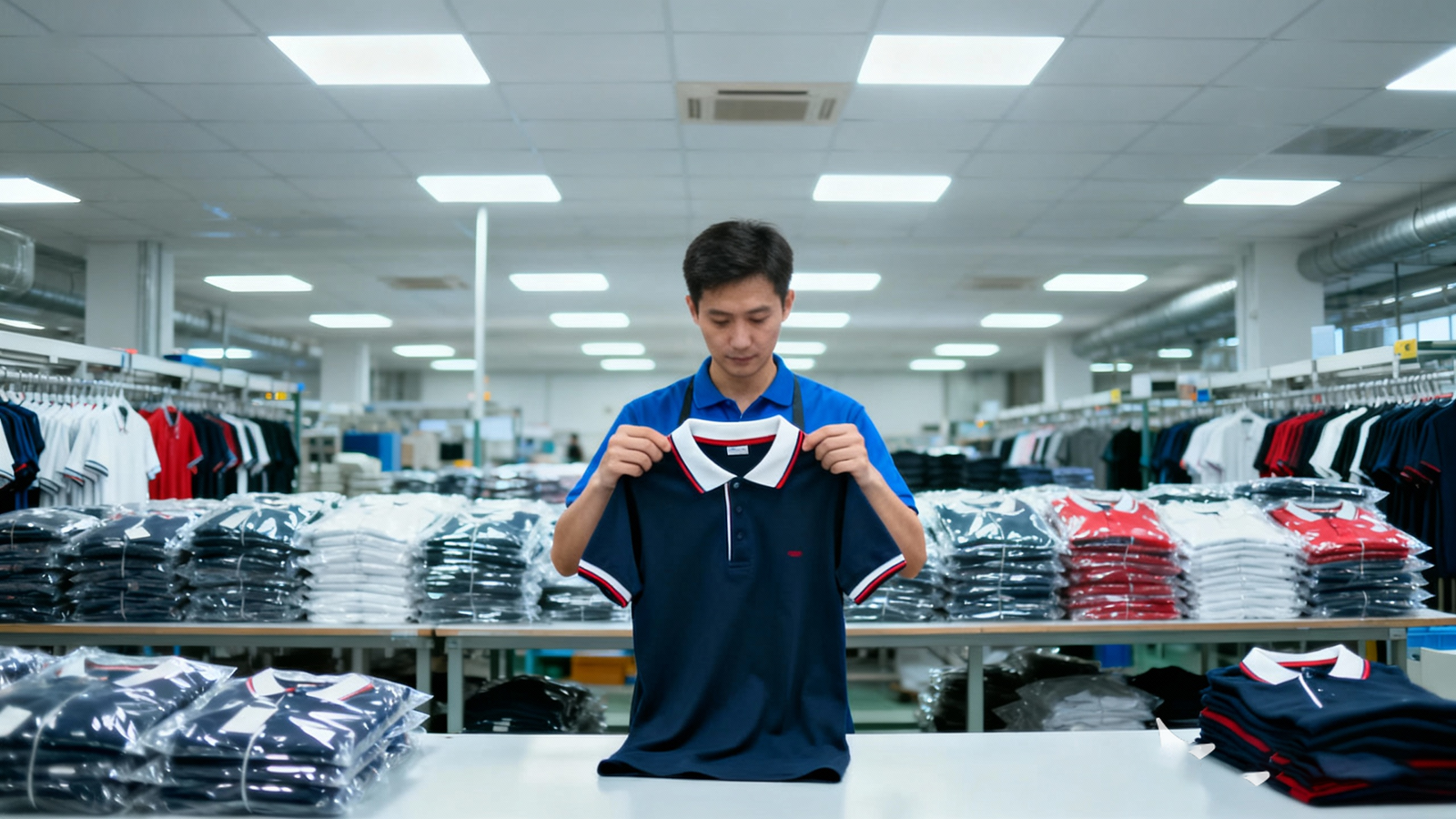
Once the sample is approved, production begins. The OEM manufacturer handles fabric cutting, sewing, printing, embroidery, QC inspection, and final packaging.
📷 Image Placeholder
Production Stages
- Fabric sourcing
- Cutting by machine
- Sewing
- Printing or embroidery
- Final inspection
- Packaging
6. Quality Control & Packaging
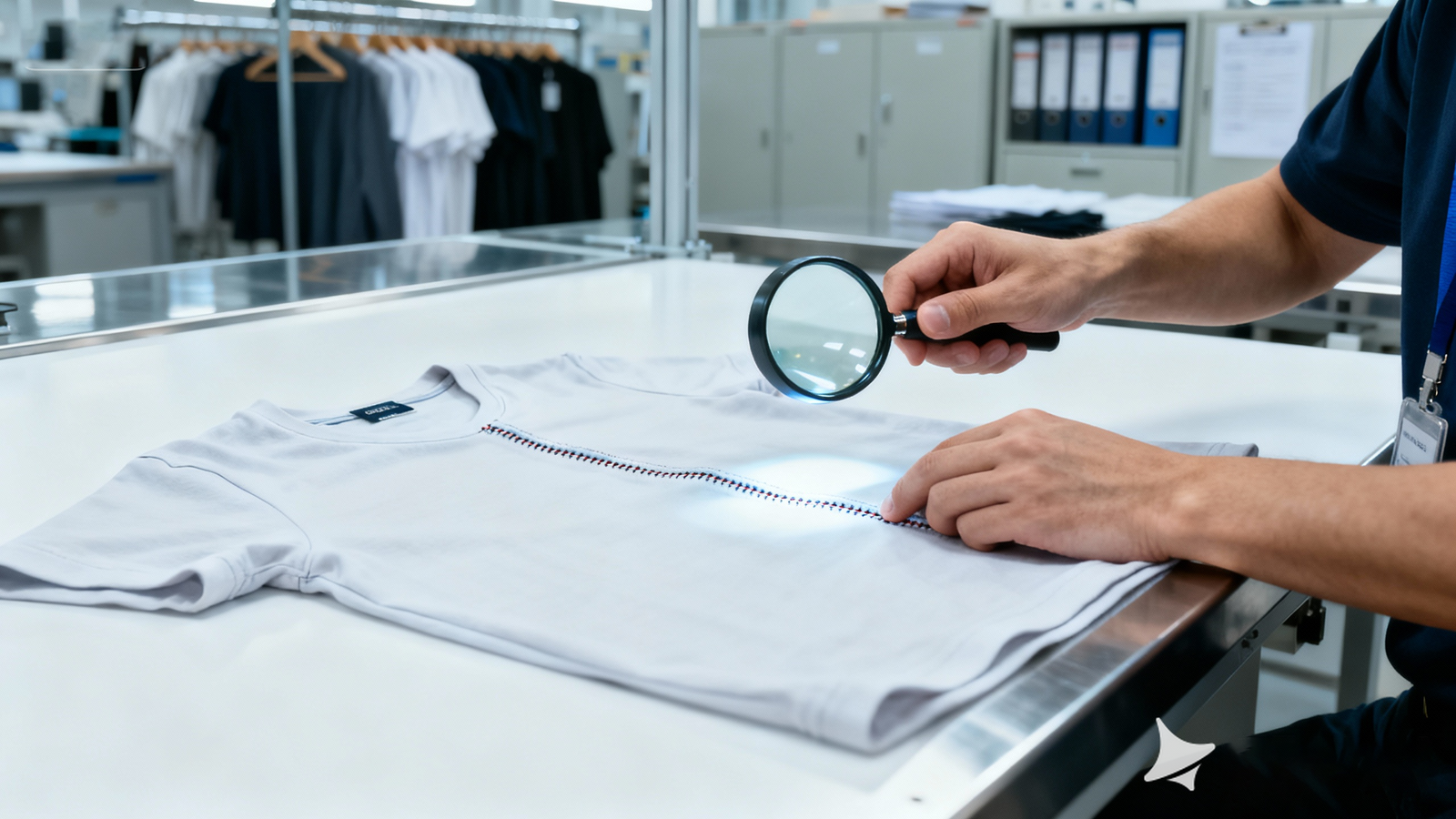
QC ensures your clothing meets your brand standard. This step checks stitching tension, print alignment, measurements, and fabric defects.
📷 Image Placeholder
What QC Checks
- Measurement accuracy
- Print alignment
- Stitch strength
- Fabric quality
- Packaging and labeling
7. How to Scale Your Clothing Brand
When your supplier is stable, you can focus on marketing, advertising, and building your product line.
How Brands Scale Quickly
- Add new styles each season
- Keep fabric and size consistency
- Invest in branding (tags, labels, packaging)
- Work with one reliable OEM manufacturer
- Use pre-orders to reduce risk
Conclusion
Working with a trusted OEM apparel manufacturer allows you to launch faster, control quality, and scale your clothing brand with confidence. It is the best starting point for beginners entering the fashion industry.