
7 Game-Changing 3D Printing & Embroidery Techniques for Modern Clothing Design
In the fast-paced fashion industry, innovation is the key to standing out. 3D printing and embroidery techniques have emerged as transformative tools, adding tactile depth, visual intrigue, and unique character to garments that flat designs simply can’t match. From soft velvety textures to bold raised logos, these methods redefine what’s possible in clothing customization.
This article dives into 7 cutting-edge 3D clothing techniques—4 printing methods and 3 embroidery styles—breaking down their advantages, limitations, and ideal use cases. Whether you’re a fashion designer, brand owner, or startup looking to elevate your collections, these insights will help you choose the perfect technique for your vision.
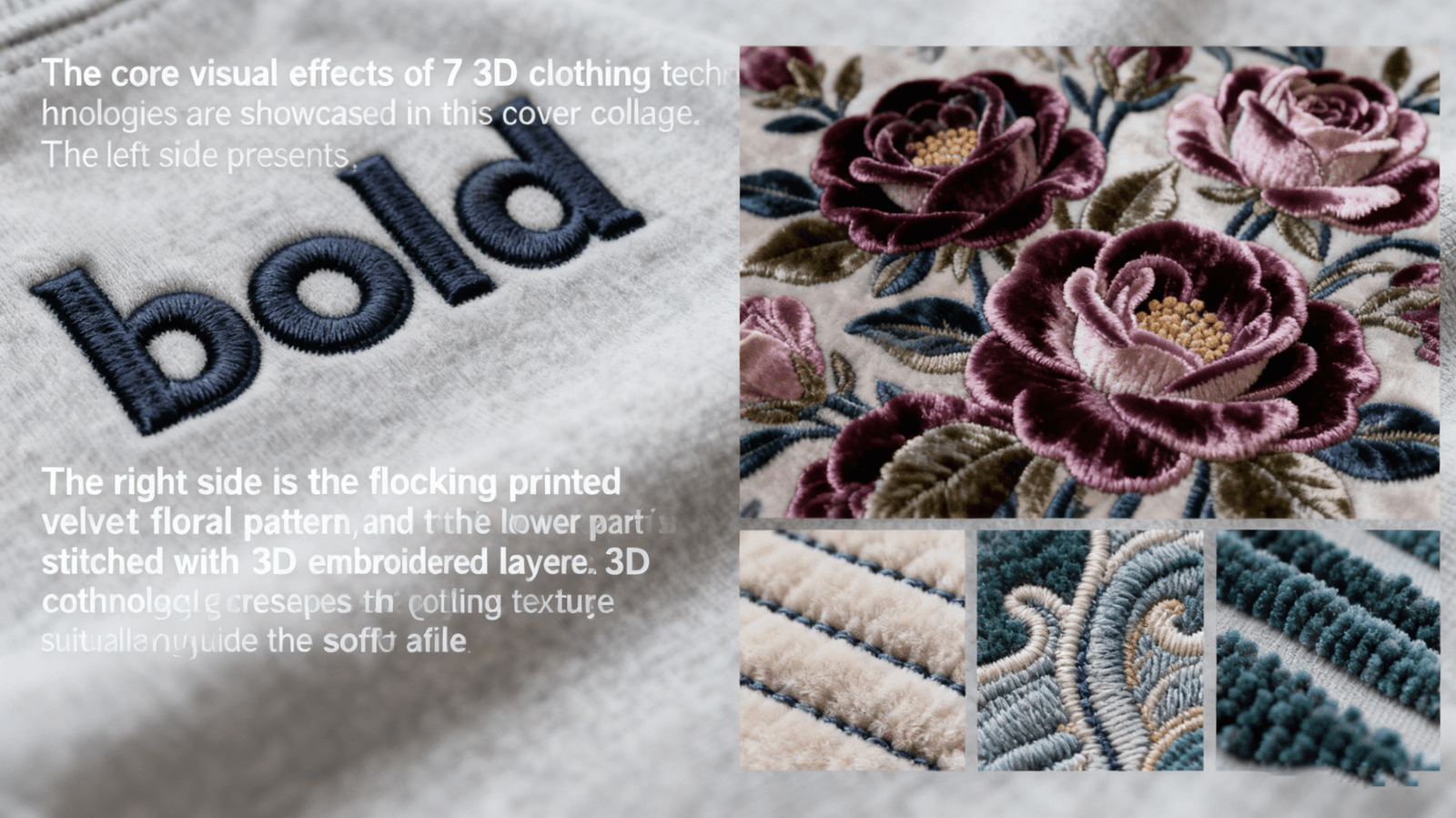
Alt text: Collage of garments showcasing 3D printing and embroidery techniques—raised logos, velvety textures, and dimensional stitches
3D Printing Techniques for Clothing
3D printing methods use specialized inks, additives, and application processes to create raised, textured designs on fabric. Each technique offers distinct aesthetic and functional benefits.
1. High-Density Silk Screen Printing
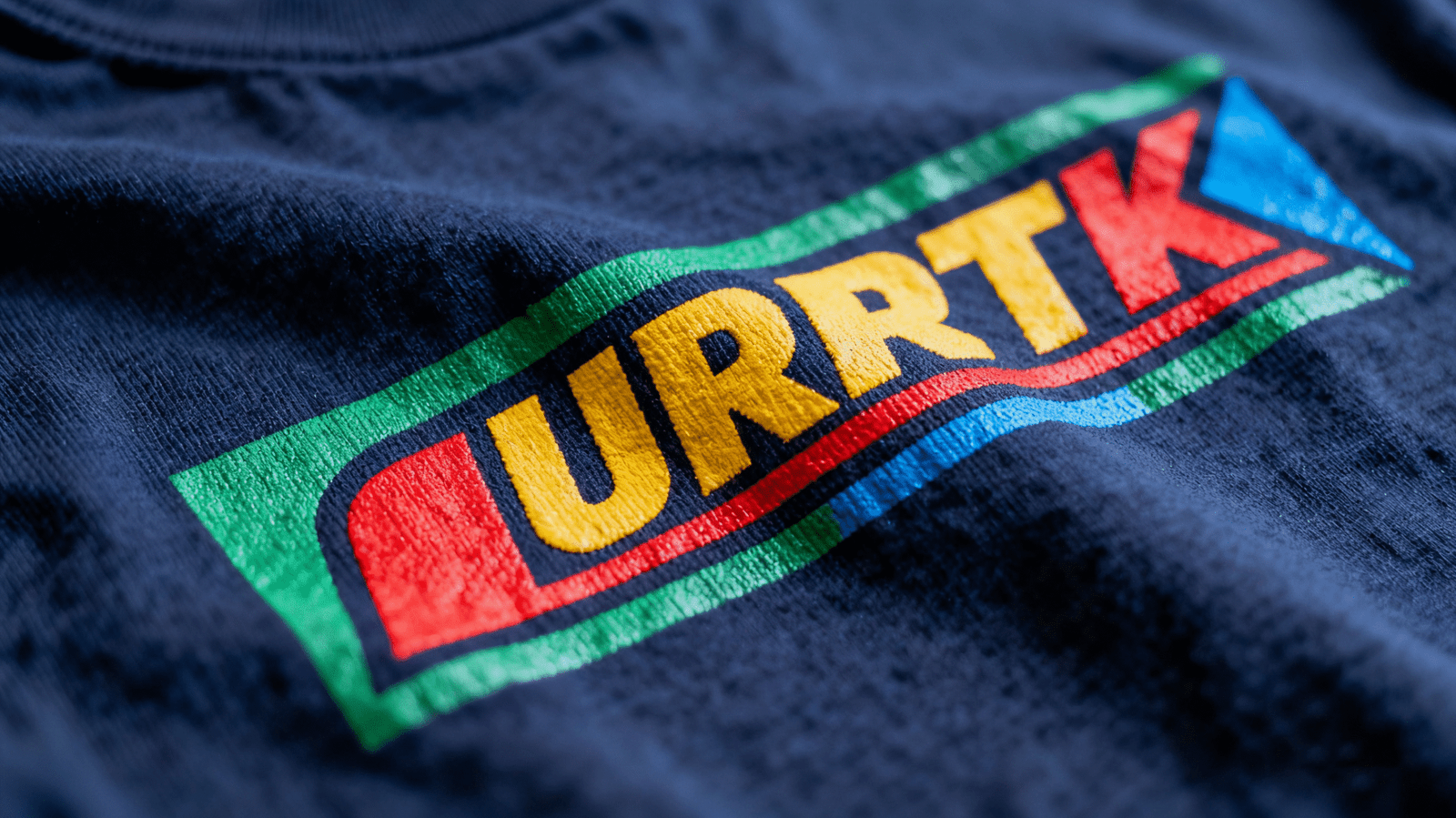
High-density silk screen printing involves layering thick, opaque ink to build raised designs that pop off the fabric. It’s a staple for brands seeking bold, durable graphics.

Alt text: Close-up of a cotton t-shirt with a high-density silk screen printed logo showing raised texture and vibrant color
Title: High-Density Silk Screen Printing for Brand Logos
Core Advantages:
- Tactile depth that creates a premium, hands-on feel.
- Vibrant, fade-resistant colors that stay bold even after multiple washes.
- Exceptional durability—resists cracking or peeling better than standard screen printing.
Key Limitations:
- Not ideal for intricate details or tiny logos (ink thickness blurs fine lines).
- Higher production costs due to extra ink and labor.
- Risk of logo wear if applied to very small designs.
Ideal Use Cases:
- Brand logos on hoodies, jackets, and activewear.
- Bold graphic tees and streetwear statement pieces.
- Promotional apparel where visibility and longevity matter.
2. Puff Printing
Puff printing mixes a special expanding additive with ink, which rises when cured to create a soft, 3D raised effect. It’s perfect for adding playful or subtle dimension.

Alt text: Side view of a hoodie sleeve with puff printed lettering showing the raised, textured finish
Title: Puff Printing for Streetwear 3D Texture
Core Advantages:
- Customizable puffiness—from subtle elevation to bold 3D depth.
- Eye-catching texture that adds visual interest without overwhelming the design.
- Works well with simple shapes and bold typography.
Key Limitations:
- Limited color options compared to other printing methods.
- Slightly thicker feel in printed areas, reducing breathability.
- Moderate durability—puff effect fades after 20-30 washes.
Ideal Use Cases:
- Streetwear, loungewear, and youth-focused apparel.
- Decorative accents on sleeves, pockets, or hemlines.
- Limited-edition collections where unique texture is a selling point.
3. Flock Printing
Flock printing applies adhesive and tiny synthetic fibers (flock) to fabric, creating a soft, velvety texture that feels luxurious to the touch. It’s a favorite for adding elegance and warmth.

Alt text: Close-up of a black evening dress with flock printed floral patterns showing the soft, velvety texture
Title: Flock Printing for Luxury Evening Wear
Core Advantages:
- Luxurious, velvet-like finish that elevates garment perceived value.
- Rich, deep color saturation that adds depth to designs.
- Durable and fade-resistant when cared for properly.
Key Limitations:
- Not suitable for intricate designs (flock fibers blur fine details).
- Requires gentle care—cold machine wash (max 30 minutes) to preserve fibers.
- Flock may shed after 10+ washes if not high-quality.
Ideal Use Cases:
- Evening wear, formal attire, and premium loungewear.
- Brand logos on luxury hoodies or jackets.
- Holiday collections and seasonal pieces needing a cozy feel.
4. Heat Transfer Rubber Printing
Heat transfer rubber printing uses heat and pressure to apply a thick, rubber-like material to fabric, creating bold, opaque designs with significant depth.
Alt text: Activewear leggings with heat transfer rubber printed logos showing the thick, opaque 3D effect
Title: Heat Transfer Rubber Printing for Sportswear
Core Advantages:
- Ultra-bold, opaque designs that stand out on dark or busy fabrics.
- Thicker than high-density printing (up to twice the depth).
- Clean, crisp edges for simple shapes and logos.
Key Limitations:
- Poor suitability for intricate or detailed designs.
- Temperature-sensitive—may degrade with exposure to high heat.
- Less durable than high-density printing (adhesive bonds weaken over time).
Ideal Use Cases:
- Sportswear and activewear logos (resists sweat and movement).
- Workwear and uniforms needing high-visibility graphics.
- Bold branding on outerwear and accessories.
3D Embroidery Techniques for Clothing
3D embroidery uses specialized stitching, padding, and materials to create dimensional designs that rise above the fabric surface. These techniques add craftsmanship and luxury to any garment.
1. 3D Embroidery (Raised Embroidery)
3D embroidery, also called raised embroidery, uses padding stitches or foam inserts under the top thread to create a pronounced 3D effect. It’s synonymous with high-end craftsmanship.
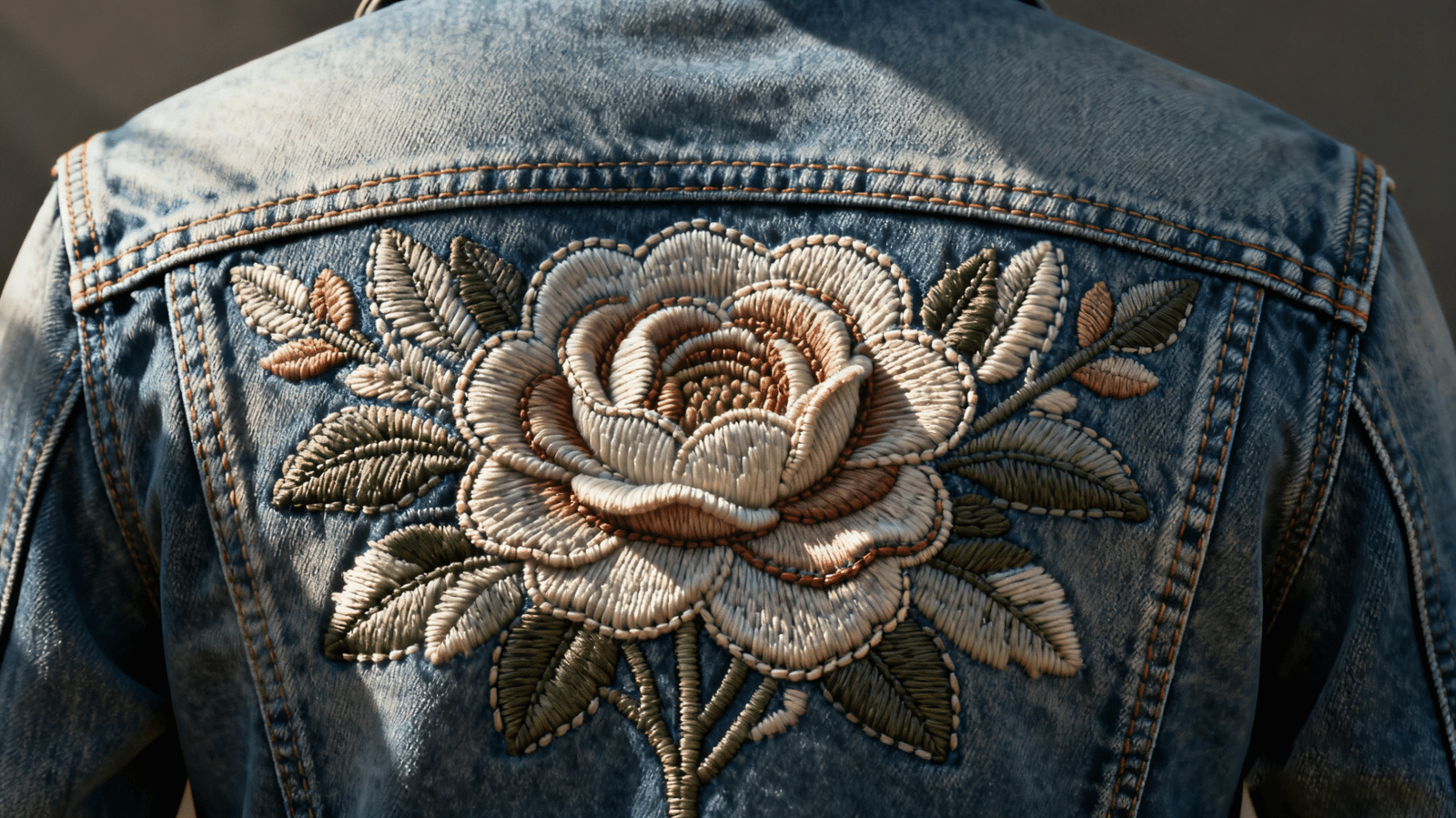
Alt text: Denim jacket back with 3D embroidered floral design showing layered, raised stitches
Title: 3D Raised Embroidery for Denim Garments
Core Advantages:
- Dramatic depth that creates a focal point on garments.
- Luxurious, artisanal finish that signals premium quality.
- Versatile—works with logos, patterns, and decorative motifs.
Key Limitations:
- Not suitable for thin fabrics (requires 250gsm or heavier material).
- Increases production time and costs compared to flat embroidery.
- Less durable than flat embroidery (padding can shift with wear).
Ideal Use Cases:
- Luxury outerwear, leather jackets, and denim pieces.
- Brand emblems on blazers, coats, and premium accessories.
- Custom couture and statement garments.
2. Applique
Applique involves cutting fabric pieces into shapes and stitching them onto a base fabric, creating layered, textured designs. It’s a versatile technique for mixing materials and colors.
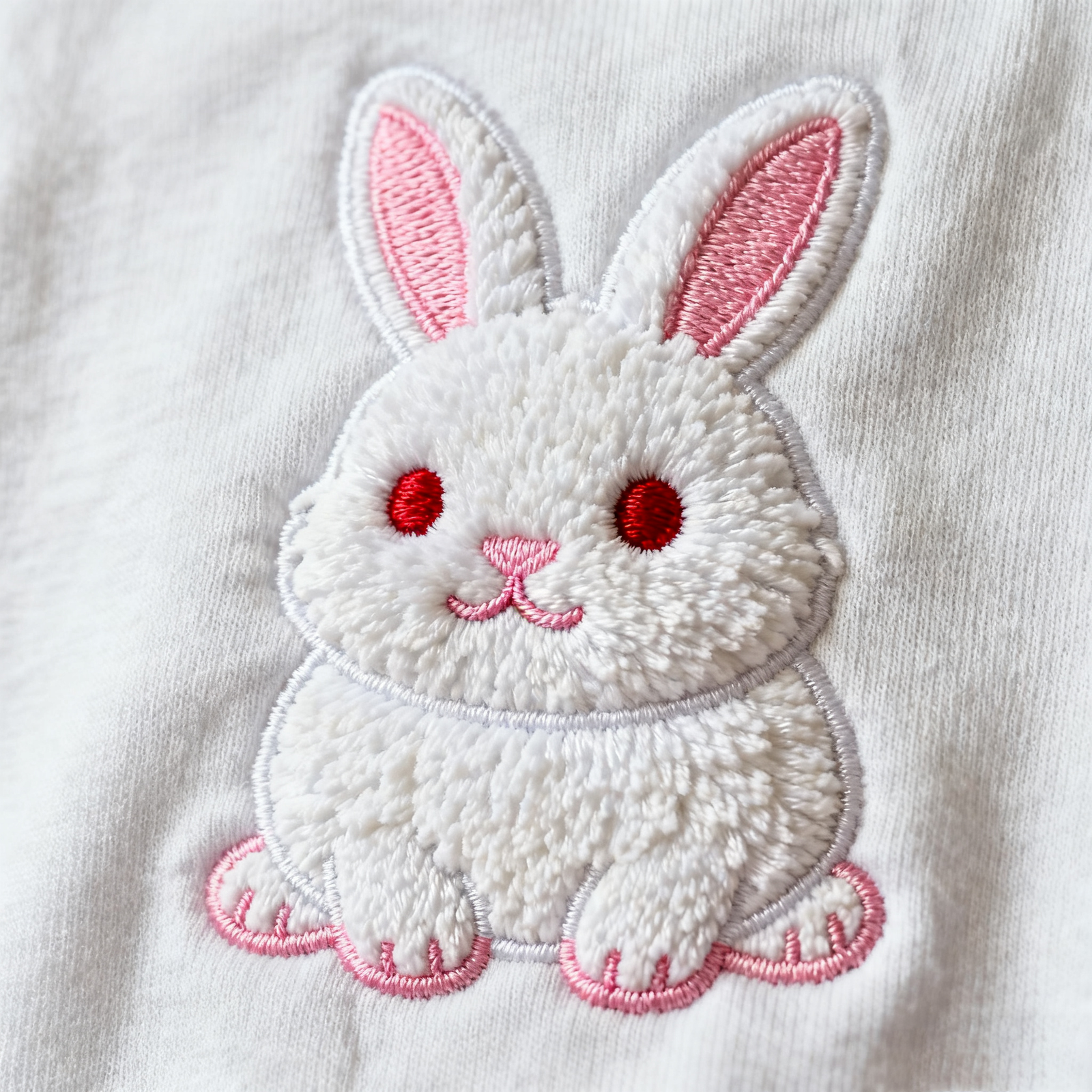
Alt text: Kids' sweatshirt with colorful applique animal shapes showing layered fabric texture
Title: Applique Technique for Kids' Clothing
Core Advantages:
- Endless customization—mix different fabrics (cotton, fleece, leather) and colors.
- Adds texture and dimension without heavy stitching.
- Creates unique, one-of-a-kind designs that stand out.
Key Limitations:
- Requires precise cutting and stitching for a polished look.
- Can create bulky seams depending on fabric thickness.
- Higher labor costs due to manual cutting and placement.
Ideal Use Cases:
- Kids’ clothing, loungewear, and casual apparel.
- Bohemian-style dresses, skirts, and tops.
- Custom team apparel and limited-edition collections.
3. Chenille Embroidery
Chenille embroidery uses looped yarns to create a soft, plush texture resembling tufted chenille fabric. It’s perfect for adding warmth and vintage charm.
Alt text: Cream winter sweater with chenille embroidered monogram showing the soft, looped texture
Title: Chenille Embroidery for Winter Apparel
Core Advantages:
- Ultra-soft, plush feel that’s warm and comfortable.
- Vintage aesthetic that’s on-trend for retro-inspired collections.
- Adds insulation, making it ideal for cold-weather garments.
Key Limitations:
- Requires specialized equipment for production.
- Limited color options compared to other embroidery techniques.
- Higher MOQ (500pcs per color/design) and production costs.
Ideal Use Cases:
- Winter sweaters, cardigans, and scarves.
- Vintage-inspired apparel and retro sportswear.
- Premium loungewear and cold-weather accessories.
How to Choose the Right 3D Technique for Your Brand
When selecting a 3D printing or embroidery method, consider these key factors:
- Design Complexity: Intricate designs work better with flat techniques—stick to bold shapes for 3D methods.
- Fabric Type: Thin fabrics require lightweight techniques (e.g., subtle puff printing), while heavy fabrics can handle 3D embroidery or high-density printing.
- Budget & MOQ: Chenille embroidery has higher MOQs, while puff printing is more cost-effective for small batches.
- End Use: Activewear needs durable techniques (high-density printing), while evening wear can prioritize luxury (flock printing, 3D embroidery).
3D printing and embroidery techniques offer endless opportunities to elevate your clothing designs. By understanding the unique strengths of each method, you can create garments that not only look stunning but also feel special to the touch.
Ready to bring your 3D design vision to life? As a specialized clothing manufacturer with state-of-the-art printing and embroidery capabilities, we can turn your creative ideas into reality. Contact our team today to discuss your project and get a custom quote!
External References
- Textile Exchange – Sustainable Fabrics Guide
- Fashion United – Apparel Manufacturing Insights
- The Business of Fashion – Printing Technologies
- OEKO-TEX® Certified Materials
- Made-How: How Sweatshirts Are Made
Meta Description:
Discover the complete sweatshirt manufacturing process—from fabric selection to printing, embroidery, and final packaging. Learn how professional factories ensure quality and innovation in every design.
Canonical URL:
https://dechoreal.com/how-sweatshirts-are-made
https://dechoreal.com/customization-service/