
For startup clothing brands, partnering with Chinese manufacturers is a make-or-break decision. China’s mature supply chains offer cost advantages and flexible production—but missteps in MOQ negotiations, pricing disputes, or customization miscommunication can drain budgets and derail launch timelines.
This guide cuts through the complexity, focusing on the three biggest pain points startups face with Chinese manufacturers: MOQ barriers, hidden pricing fees, and customization mismatches. With actionable strategies and real-world examples, you’ll learn to collaborate smoothly and avoid costly pitfalls.
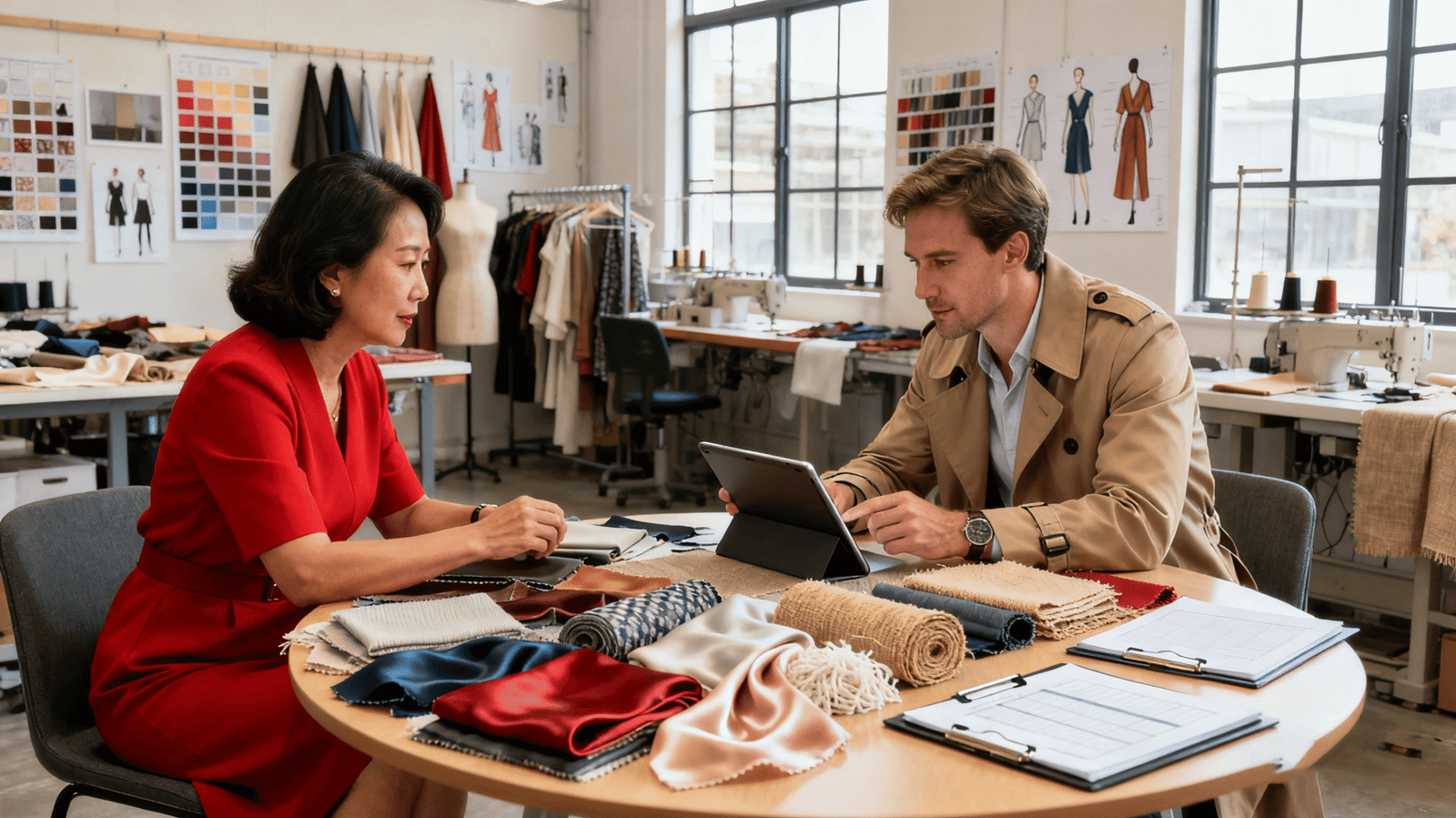
Pitfall 1: MOQ Negotiation – Get Low Quantities Without Overpaying
Chinese factories set high MOQs to cover production setup costs. Use these 4 tactics to lower the bar:
- Frame It as a "Long-Term Test Run"
Manufacturers prioritize repeat business. Say: "We need 200 units to validate demand on Amazon. If our conversion rate hits 5%, we’ll reorder 1,000 units in 2 months." Back it up with a simple market analysis—this builds trust. - Bundle Similar SKUs
If a factory’s MOQ is 500 units per style, combine 2-3 SKUs (e.g., same fabric, different colors of hoodies). Most accept "total MOQ 500, 150-200 per SKU"—this keeps their lines efficient while meeting your needs. - Accept a Small Price Premium
A 10-15% price increase for 50% lower MOQ is reasonable. For example: Paying $6 vs. $5 per t-shirt for 200 units costs $200 extra—but avoids $1,500 in unsold inventory if the style flops. - Target "Startup-Friendly" Factories
Look for manufacturers with case studies of working with DTC brands. These factories often offer MOQs as low as 100 units and have streamlined processes for small batches.
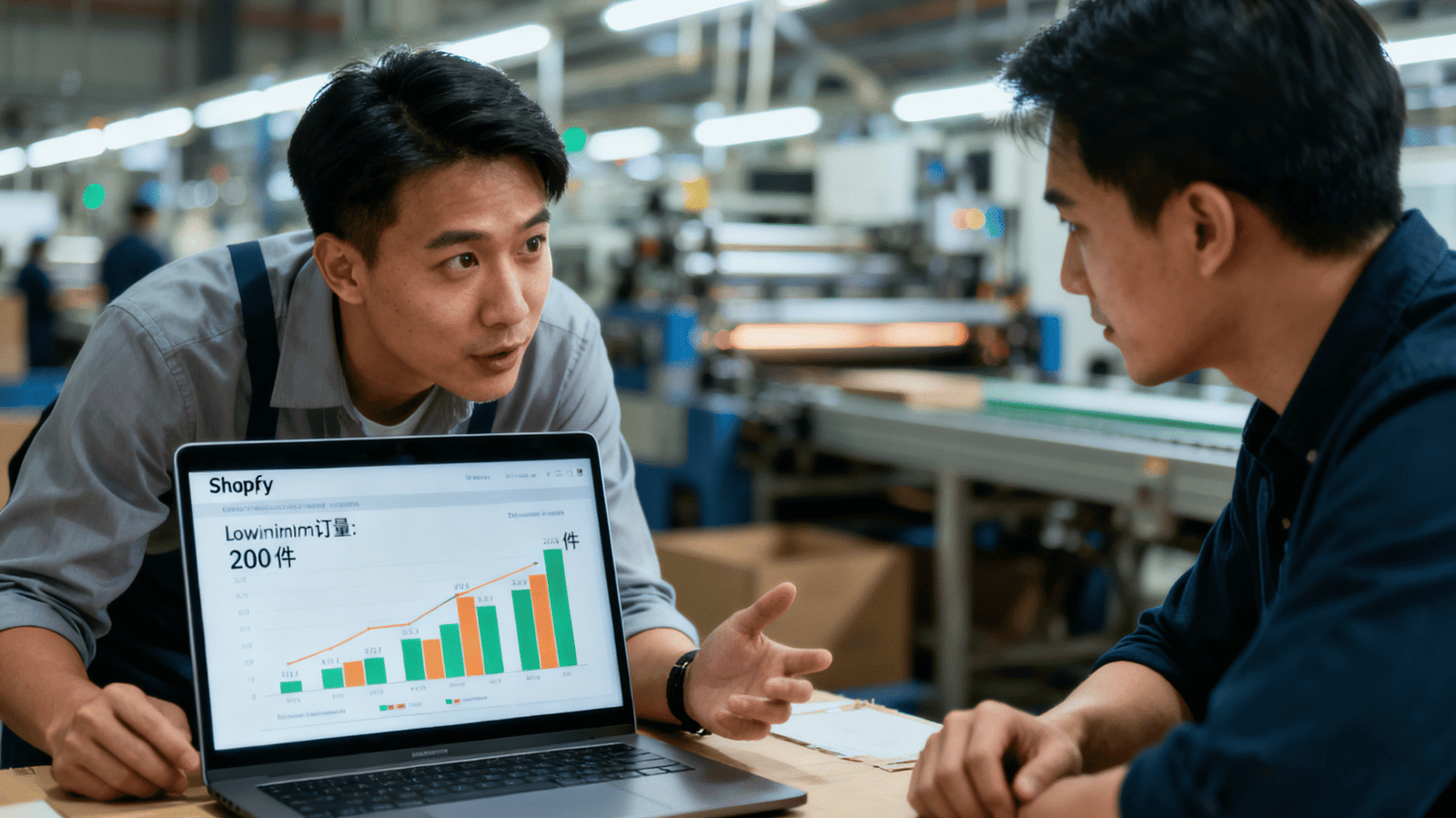
Pitfall 2: Pricing – Lock in Transparency to Avoid Hidden Fees
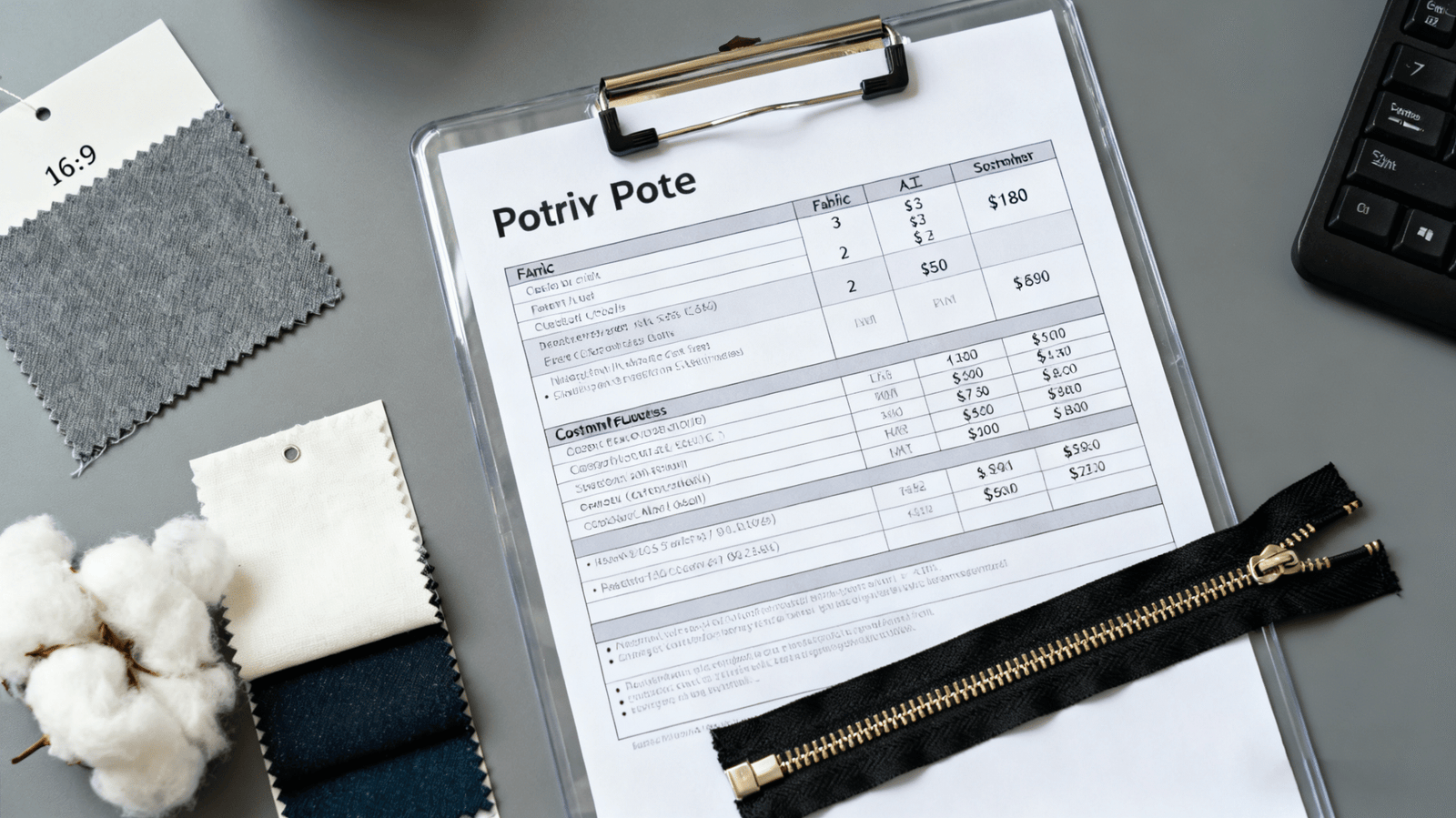
A "too-good-to-be-true" quote is a red flag. Demand a 3-part breakdown to cover all costs: - Base Cost: Clarify Inclusions
Ensure the base price covers fabric (specify weight: e.g., 180g cotton), standard hardware (basic zippers), and size labels. Ask: "Does this include pre-washing the fabric to prevent shrinkage?" - Customization Fees: List Every Detail
Get separate quotes for: Embroidery ($1.2/unit), custom hangtags ($0.3/unit), and sustainable fabric upgrades ($2/unit). Never accept verbal promises—get it in writing. - Additional Costs: Cover Logistics & Samples
Clarify: ① Sample fees ($50-$150/style, refundable with bulk orders?); ② Shipping terms (FOB vs. CIF); ③ QC inspection fees (if using third-party services like SGS).
Pitfall 3: Customization – Communicate with "Unambiguous Tech Packs"
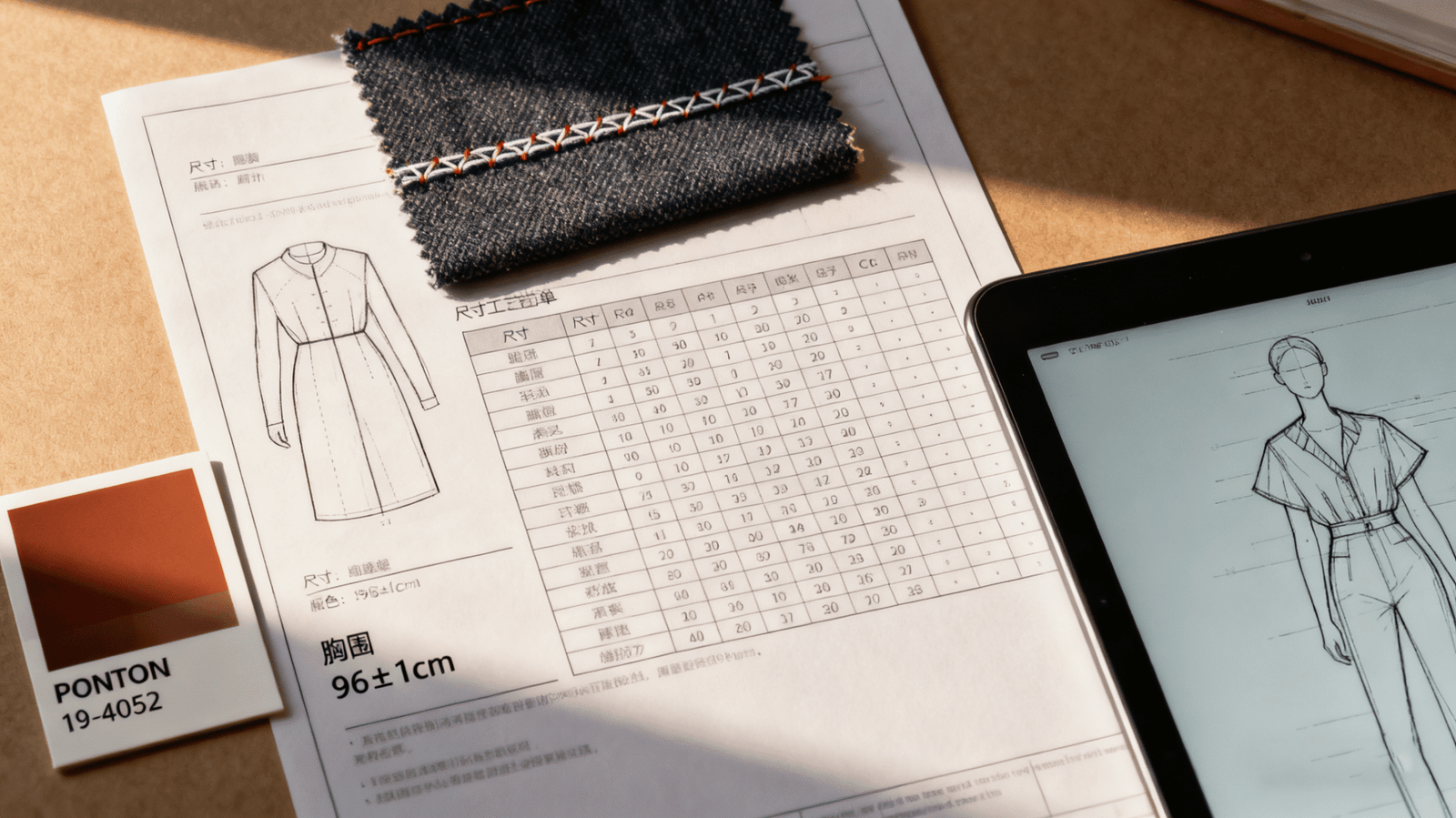
70% of customization mistakes come from vague instructions. Your tech pack (design document) must include: - 5 Non-Negotiable Tech Pack Elements
- Sign Off on Samples in Writing
When you get the pre-production sample, email the manufacturer with: ① Photos of the sample (front/back/side); ② "Approved per tech pack" or specific revisions (e.g., "Shorten sleeves by 2cm"). This avoids "he said, she said" disputes.
Final 5-Step Checklist for Safe Cooperation - Verify factory credentials: Ask for ISO 9001 and OEKO-TEX certifications.
- Negotiate MOQ using long-term partnership as leverage.
- Demand a 3-part pricing breakdown (base + custom + extra fees).
- Submit a detailed tech pack and confirm samples in writing.
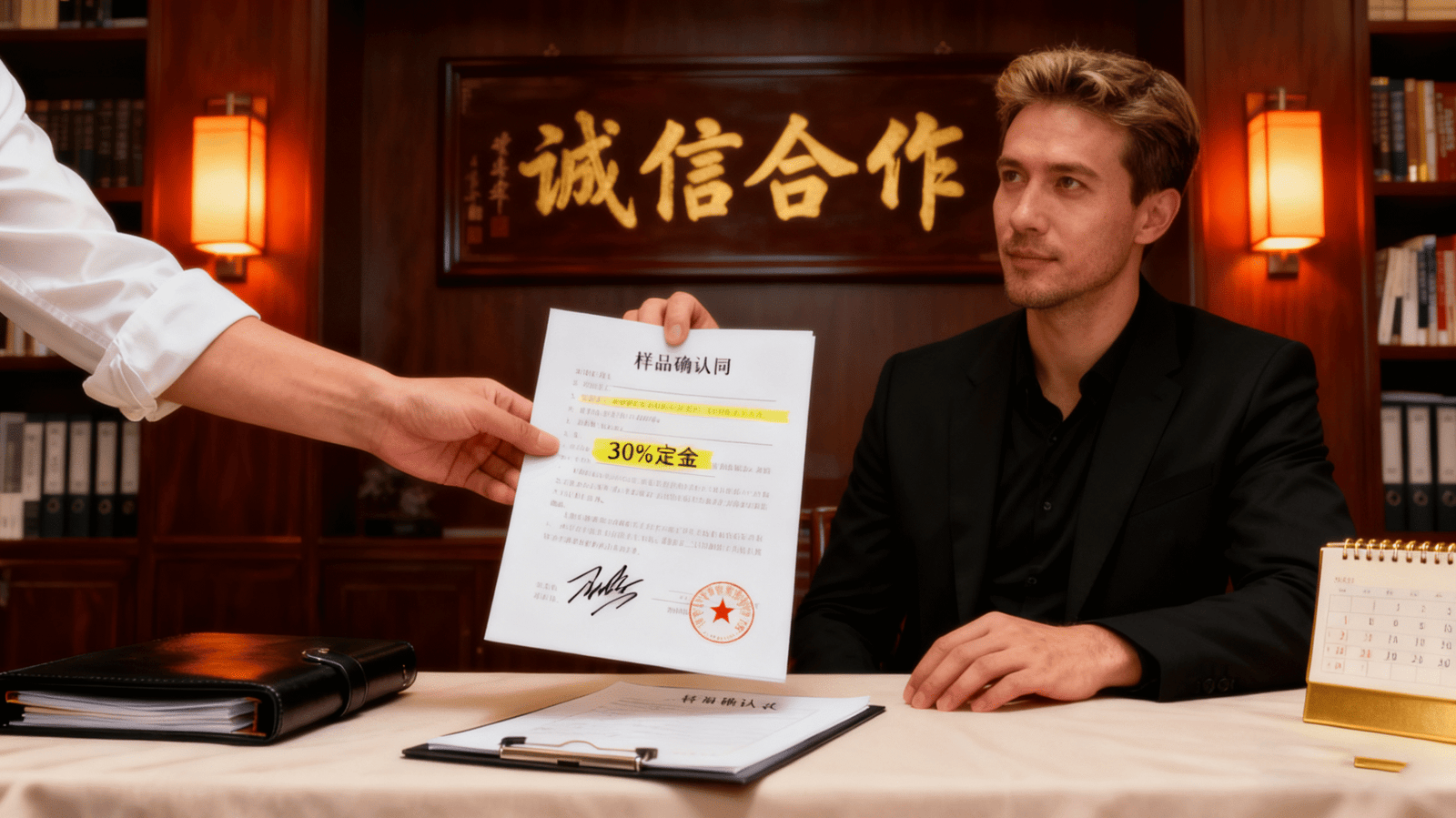
- Sign a contract with 30% deposit, 70% balance before shipment, and 1% max defect rate.
Partnering with Chinese manufacturers can accelerate your startup’s growth—if you avoid these pitfalls. Focus on transparency, clear communication, and mutual value, and you’ll build a partnership that scales with your brand.
External Links
- Streetwear Manufacturer in China - Craft Your Unique Style
- Streetwear Manufacturer China - Apparel & Textile Innovations
- List Of Streetwear Manufacturers in China - Uniway Sourcing
- 10 Innovative Trends Reshaping Streetwear Production in China 2025
- Inside China's Burgeoning Streetwear Scene | BoF - The Business of Fashion
- A New Era for China's $15 Billion Streetwear Market
- China's Streetwear Market Boom: Guide for Fashion Brands
- Streetwear in China: A Cultural Fusion with Unique Flair - Daxue Consulting