
How to Make a Best-Selling T-Shirt: From Design to Production
T-shirts are timeless fashion essentials—but turning a simple tee into a best-seller requires the perfect blend of creativity, quality, and production precision.
This guide walks you through each stage, from concept to completion.
📑 Table of Contents
- Step 1: Research Market Trends
- Step 2: Design That Sells
- Step 3: Choose the Right Fabric
- Step 4: Printing & Embroidery Techniques
- Step 5: Production & Quality Control
- Step 6: Packaging & Branding
- Step 7: Marketing Your T-Shirt Line
Step 1: Research Market Trends
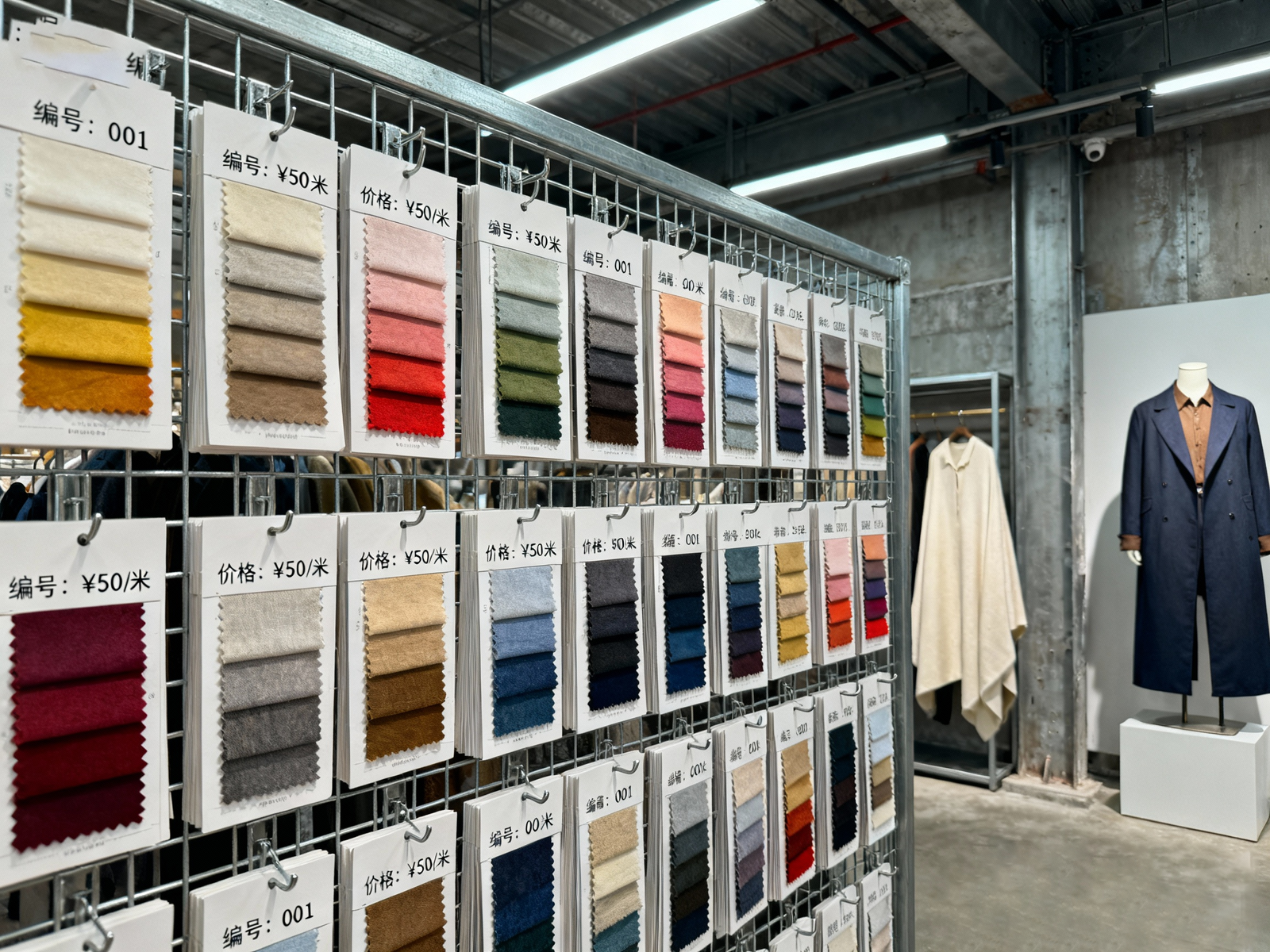
Understanding your audience is the first step toward creating a hit product.
Analyze global fashion trends, streetwear influences, and seasonal color palettes.
Study platforms like Google Trends, Pinterest, and Instagram for real-time demand insights.
🖼️ 
Step 2: Design That Sells
A standout design connects emotionally with the customer.
Create multiple mockups, test color combinations, and keep your brand identity consistent.
Use software like Adobe Illustrator or Clo3D for precise visualizations.
🖼️
Step 3: Choose the Right Fabric
Fabric determines comfort, quality, and price.
Popular options include:
- 100% Cotton: breathable and natural
- Cotton-Poly Blends: soft and wrinkle-resistant
- Organic Cotton: sustainable and eco-friendly
Always test shrinkage, color fastness, and softness before mass production.
Step 4: Printing & Embroidery Techniques
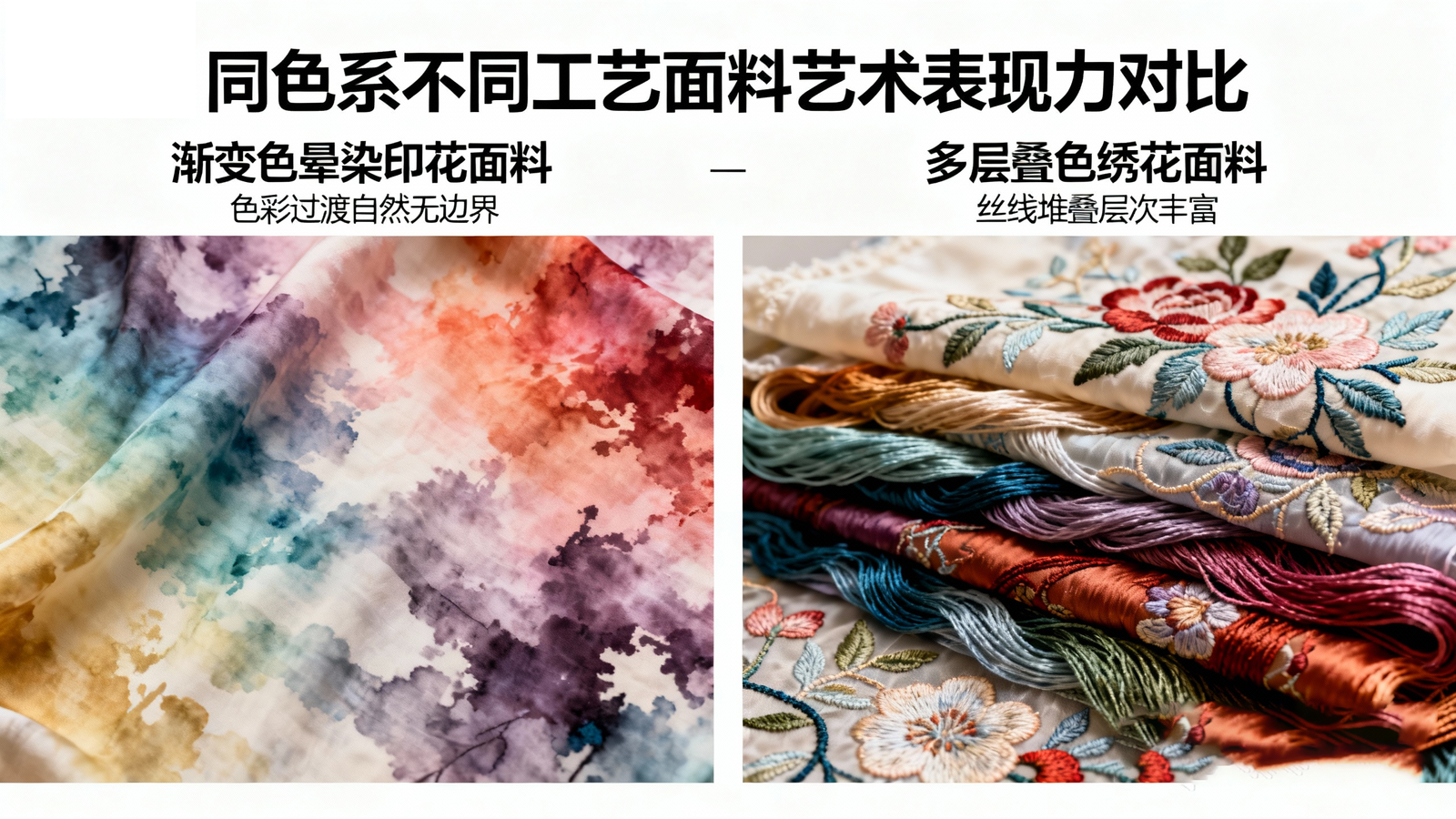
Modern T-shirts rely on unique finishes to stand out.
Explore multiple decoration methods:
- Screen Printing: durable and vibrant for large batches
- DTG (Direct to Garment): detailed, perfect for small runs
- Puff Print & Heat Transfer: create 3D textures
- Embroidery: premium feel and long-lasting quality
🖼️ 
Step 5: Production & Quality Control
Once the samples are approved, production begins.
Cutting, stitching, and finishing are handled with strict precision.
Each piece should pass thread trimming, measurement accuracy, and defect checks.
🖼️
Step 6: Packaging & Branding
High-quality packaging increases perceived value.
Use eco-friendly materials, branded tags, and clear size labels.
Include hang tags with QR codes linking to your brand story.
Step 7: Marketing Your T-Shirt Line
Promote your collection using:
- Google Ads & Meta campaigns
- Collaborations with influencers
- SEO-optimized product pages
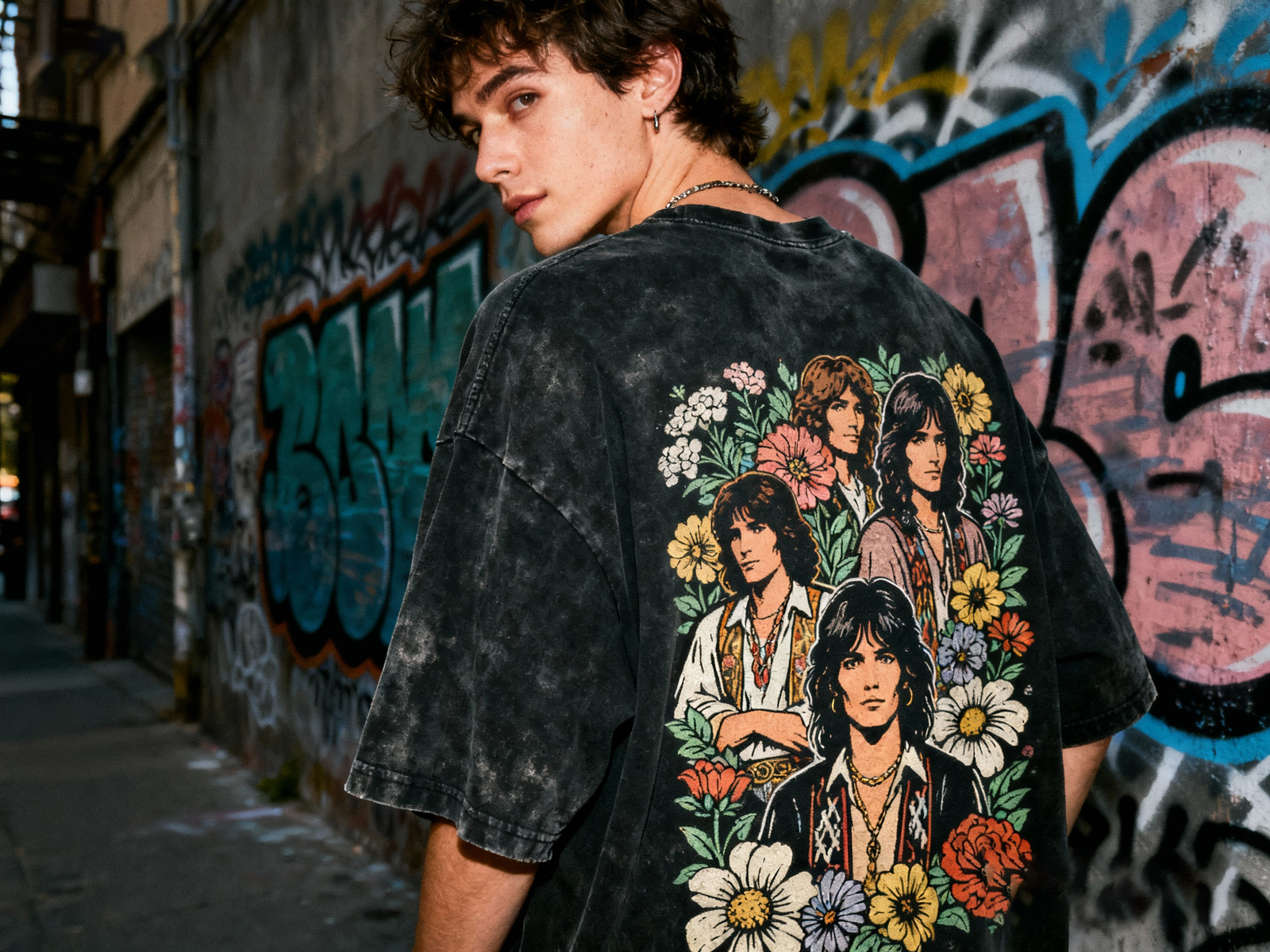
- Lifestyle photoshoots showcasing quality and fit
🖼️ 
Final Thoughts
Creating a best-selling T-shirt is a blend of design strategy, production expertise, and branding consistency.
Partnering with a professional apparel manufacturer ensures your vision becomes a product that customers love—and buy repeatedly.
🔗 External References
- Pantone Fashion Color Trend Report
- Textile World: Apparel Manufacturing Insights
- FashionUnited: Global Market Trends
- DTG Printing Technology Overview
- Sustainable Cotton Standards - Better Cotton